
Black Holes: Big, Small, Invisible, and Growing Up Fast!
How Do You Find Something You Cannot See? Two Articles on Black Holes are ideal for Middle School Science reading.
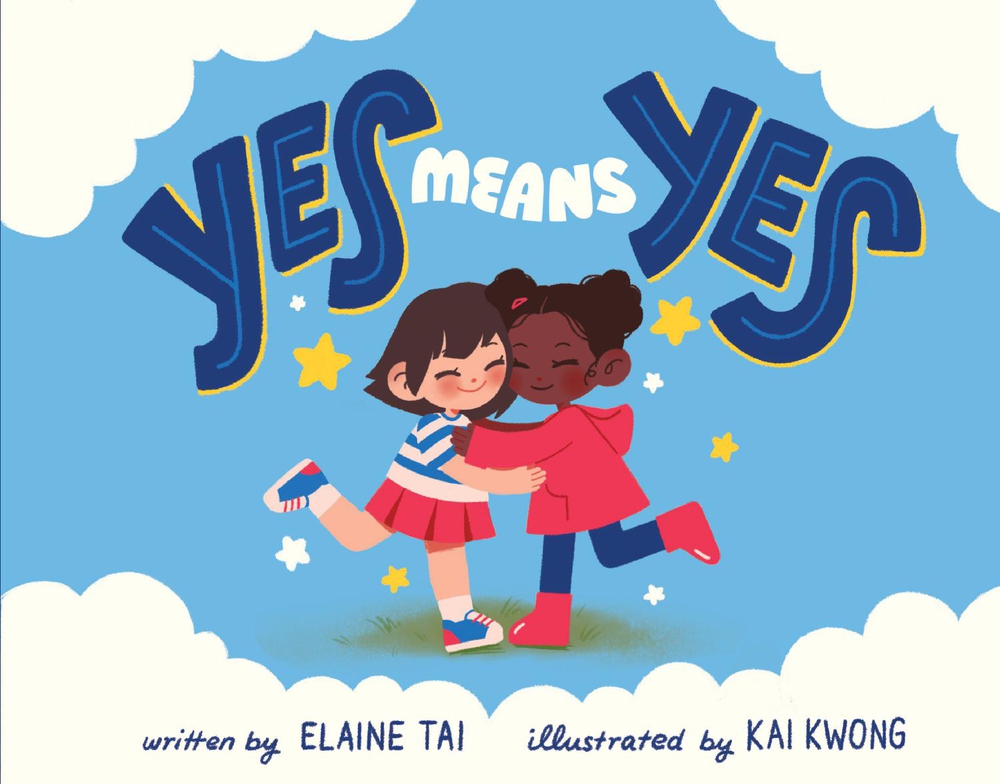
“Yes Means Yes”: A Book Review for Child Safety and Protection Month
“Yes Means Yes”, written by Elaine Tai and illustrated by Kai Kwong, teaches young children that consent is active, enthusiastic, and clear. Our review explores how the book helps children…
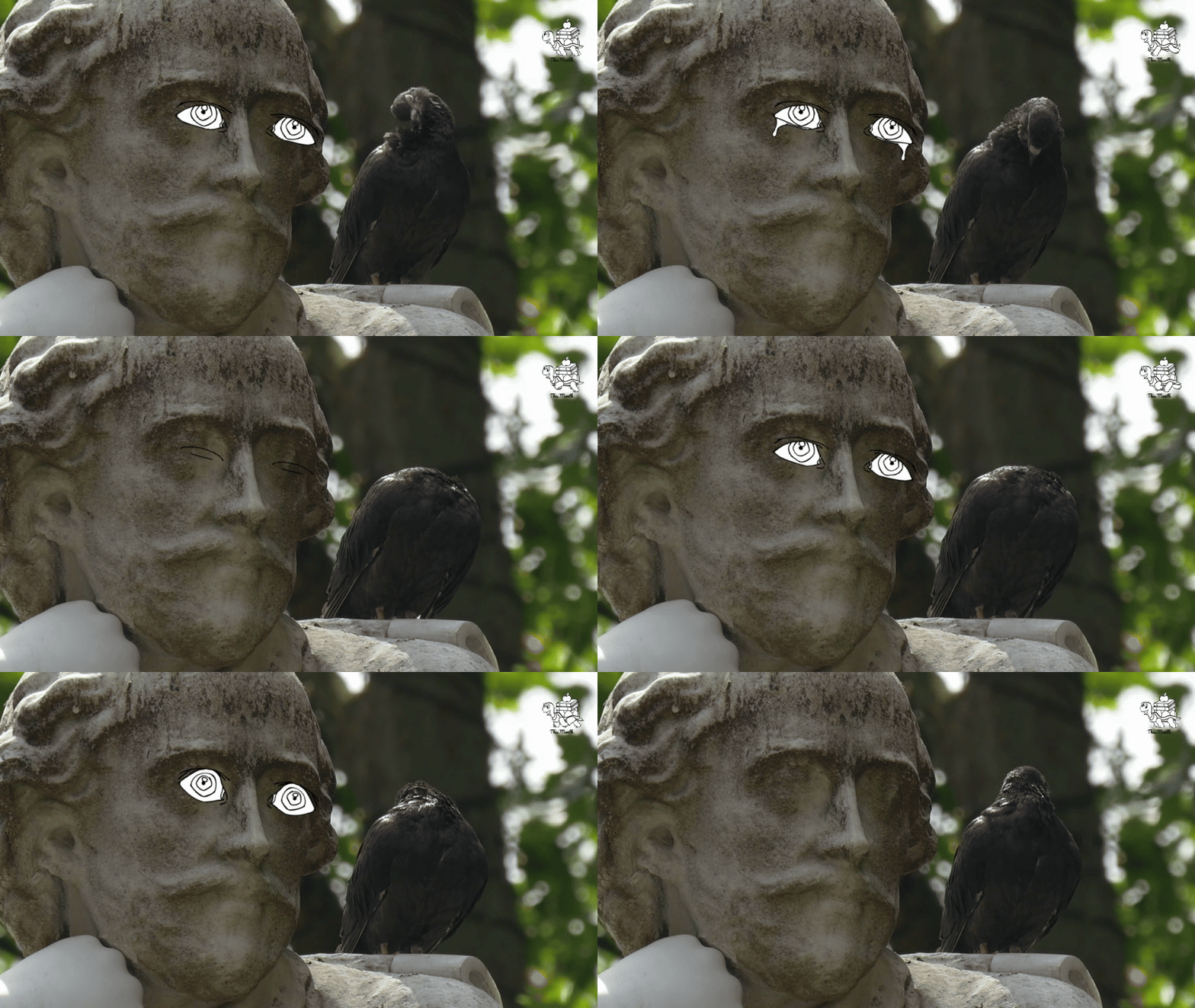
Fallen Words A Shakespeare Game for MS/HS Grownups
Play Fallen Words, a Shakespeare sonnets game where the words keep escaping the poem and your job is to rescue them. How the Shakespeare sonnets game works In Fallen Words,…
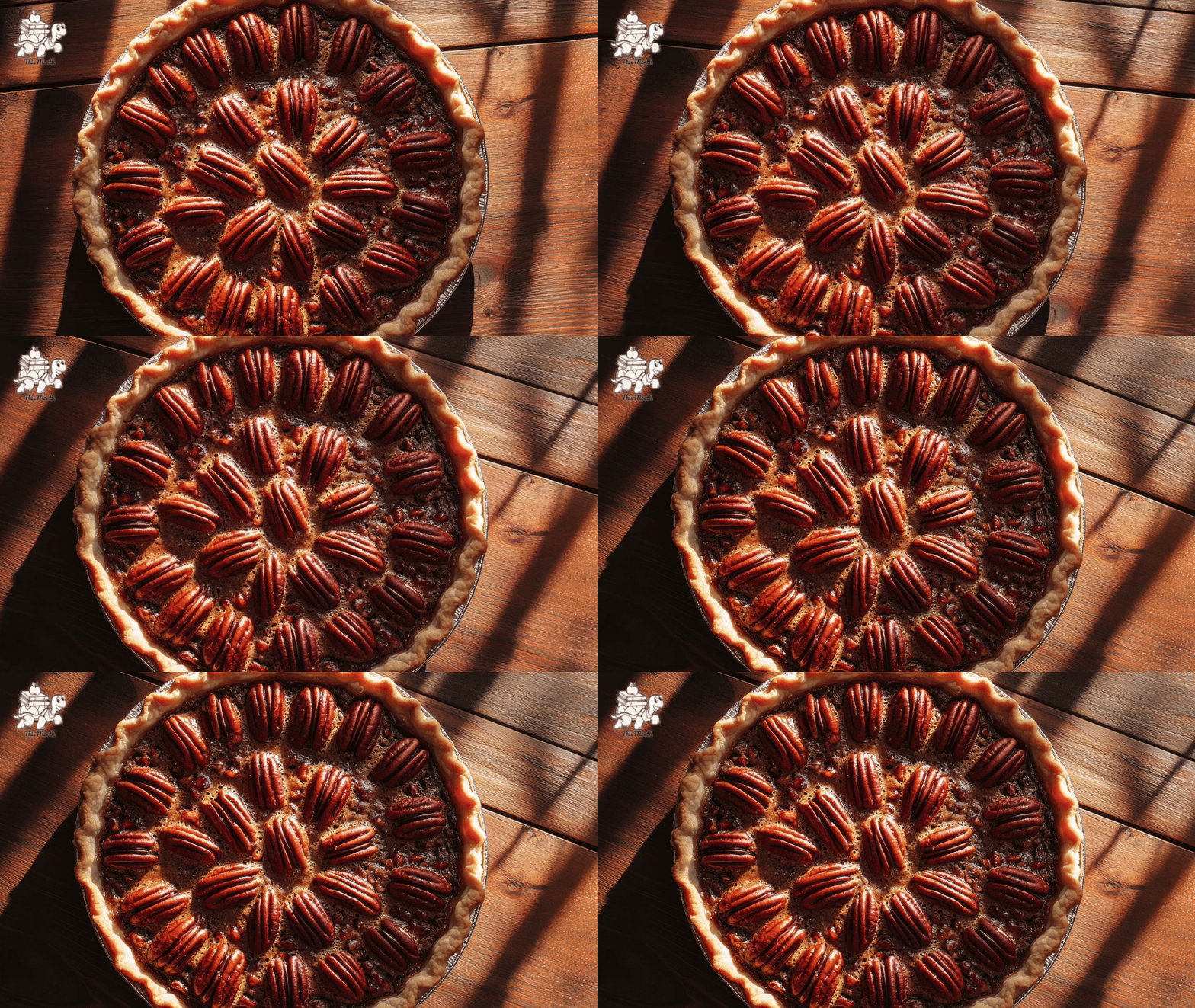
Share a Pecan Pie Potluck? Fun Fractions Practice K-5!
A pecan pie fractions game for grades K-5 Everyone is bringing a dish to the classroom potluck, and the pecan pie has to be shared fairly. Students cut a pie…
Two Pi Days a Year? Three Fun Ways to Estimate Pi (Grades 6-8)
Pi is a number you can never finish writing. People have chased its digits for nearly four thousand years. Read how mathematicians explain the hunt, then become one yourself in the Pi Lab. Articles are Written by Jeff Inglis, The Conversation, featuring work by Daniel Ullman, Jon Borwein and David H. Bailey, Lorenzo Sadun, Xiaojing Ye, and Gareth Ffowc Roberts
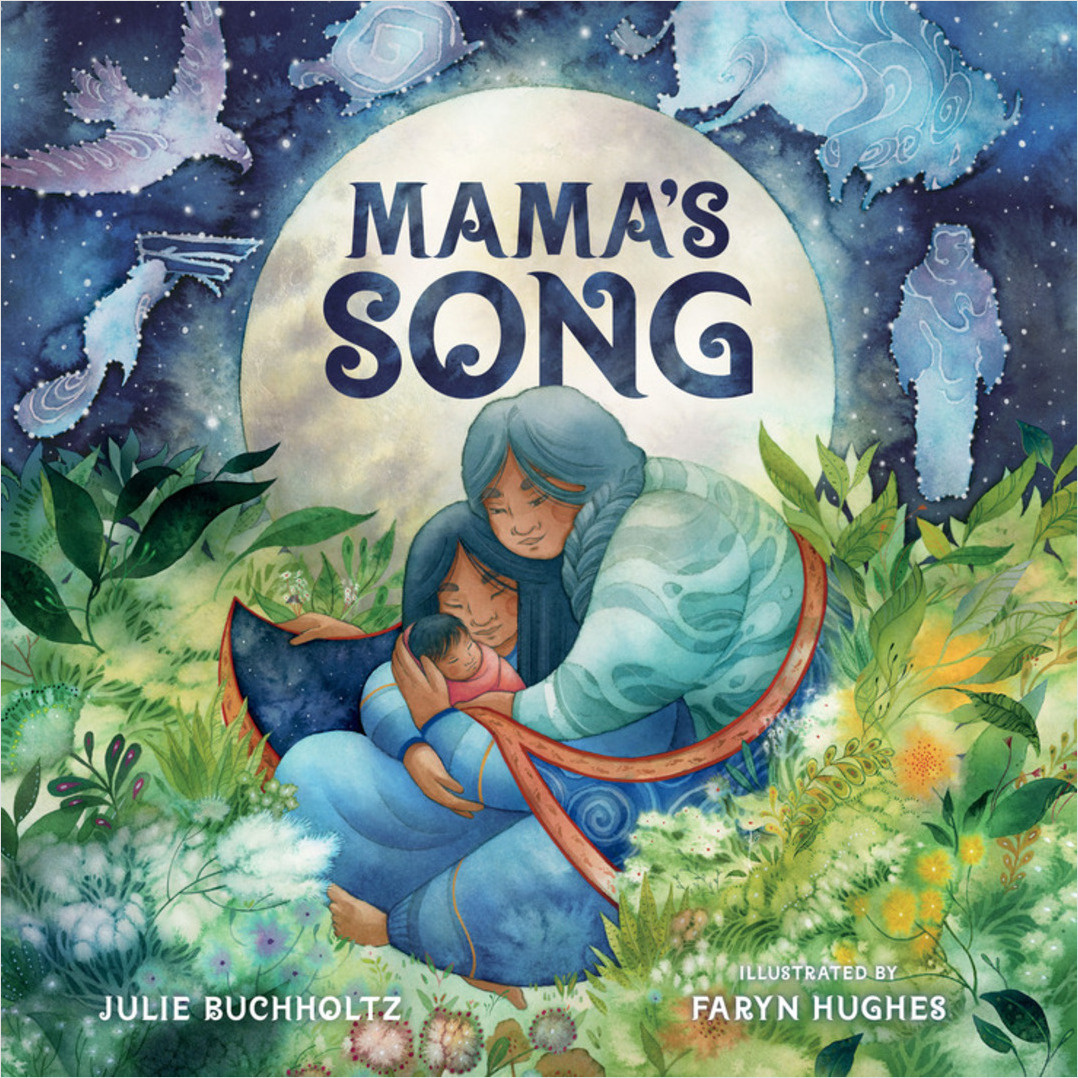
Seven Grandfather Teachings in “Mama’s Song” by Julie Buchholtz
In Mama’s Song, Own Voices author Julie Buchholtz, a member of the Bay Mills Tribe of Chippewa Indians, weaves the Seven Grandfather Teachings into a lullaby from mother to child.…
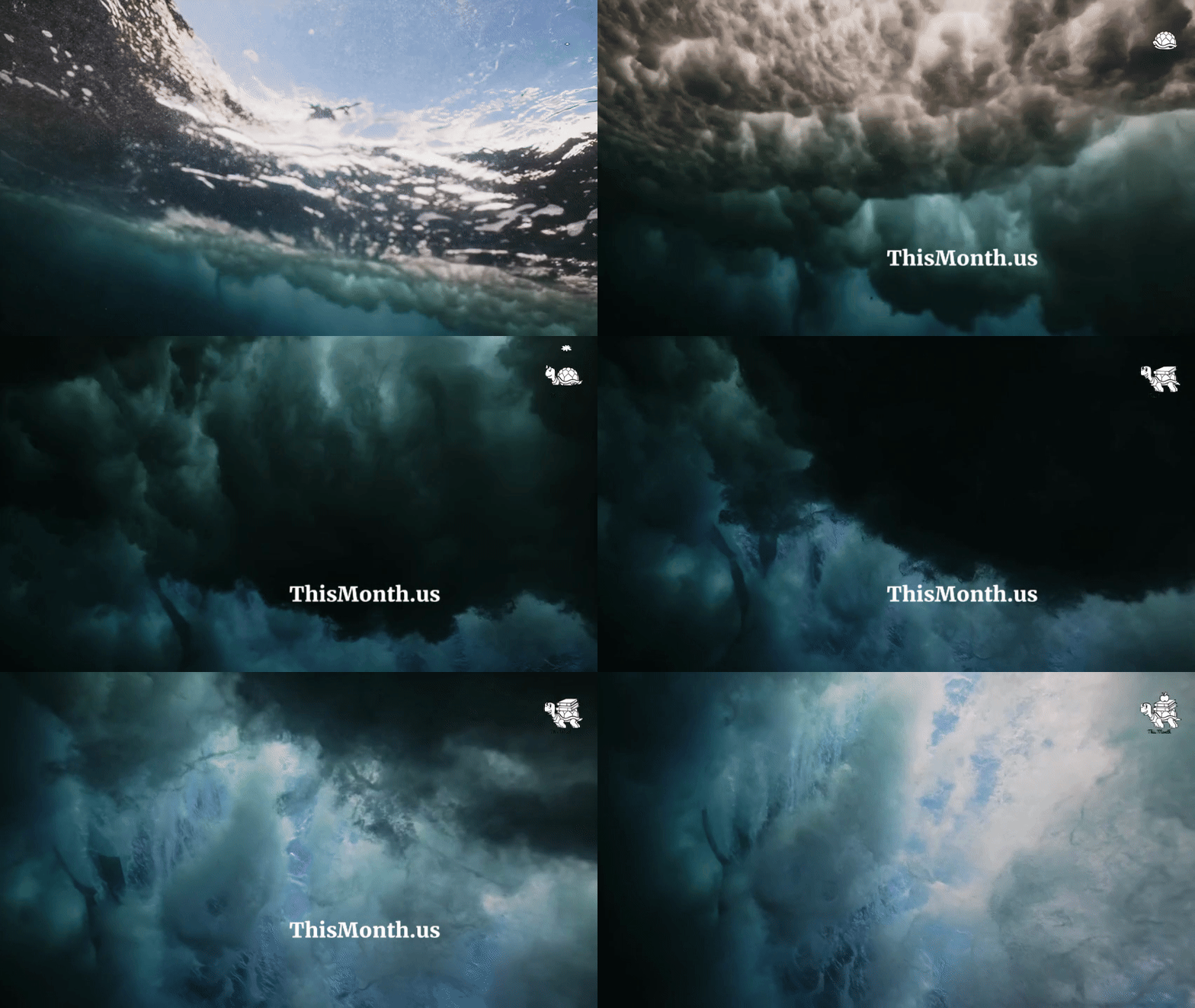
Tsunami vs. Surf Waves: What Makes Each One Different?
This Tsunami Awareness Day we ask a question: how can the same ocean make one wave that surfers chase and another that people must flee? One wave comes from a…