Teacher’s Guide to Ōmisoka
Ōmisoka (大晦日) is the Japanese celebration of New Year’s Eve, observed on December 31st. It is one of the most important days in the Japanese calendar, marking the transition from the old year to the new year.
Quick Facts:
- When: December 31st (New Year’s Eve)
- Duration: One full day and night, culminating at midnight
- Name Meaning: “Great Last Day” (大 = great/big, 晦日 = last day of the month)
- Also Called: Ōtsugomori (大晦) – archaic pronunciation meaning “moon hidden”
- Key Activities: House cleaning, eating toshikoshi soba, hearing temple bells ring 108 times, visiting shrines at midnight
- Central Theme: Finishing the old year properly to start the new year fresh and pure
Cultural Significance: Ōmisoka represents the culmination of year-end traditions and preparations. Japanese culture places great importance on endings and beginnings, making this transition day especially meaningful.
Ancient Origins
Ōmisoka has its roots in Japan’s ancient lunisolar calendar system. The celebration is deeply connected to traditional beliefs about toshigamisama (歳神様) or toshitokusama (歳徳様)—the gods of the current and upcoming years.
The Meaning of “Misoka”
Understanding the name helps us understand the tradition:
Etymology Breakdown:
- Misoka (晦日): The last day of any month in the traditional Japanese calendar
- Originally written as 三十: Meaning “30th day”
- Why 30th? The lunar month typically had 29 or 30 days, so the last day was usually the 30th
- Ō (大): Means “great” or “big,” added to emphasize this is the most important “last day”
- Ōmisoka = “The Great Last Day”: The final last day of the entire year
The Alternative Name: Ōtsugomori
The celebration is also known by its archaic pronunciation Ōtsugomori (大晦), which comes from:
- Tsukigomori (月隠り): Literally “moon hiding”
- Meaning: The last day of the lunar month, when the moon is hidden (new moon phase)
- This name connects the celebration to lunar cycles and ancient Japanese timekeeping
The Shift to the Modern Calendar
During the Meiji Restoration in 1873, Japan adopted the Gregorian calendar. At that time:
- Ōmisoka was officially set as December 31st
- The celebration adapted from following the lunar calendar to the solar calendar
- Traditional customs were maintained but now aligned with the international New Year
- This made January 1st Japan’s official New Year’s Day
Teaching Point: This calendar change shows how cultures can adapt and modernize while preserving meaningful traditions. The customs remained the same even though the date changed from a lunar to a solar calendar system.
The Philosophy Behind Ōmisoka Activities
The central idea of Ōmisoka is to complete all important tasks from the concluding year so you can start the new year with a clean slate. This reflects Japanese cultural values of:
- Responsibility: Finishing what you started
- Renewal: Letting go of the old to embrace the new
- Purity: Spiritual and physical cleanliness
- Respect: Honoring the transition between years
Major Ōmisoka Activities
1. Ōsōji (大掃除) – Great Cleaning
What it is: A thorough, deep cleaning of the entire house
Why it matters: Cleaning represents purifying your space and life, removing old dust and negative energy to welcome fresh beginnings
What gets cleaned: Every corner of the home, including areas often neglected during regular cleaning
When it happens: Throughout late December, but especially on December 31st
2. Repaying Debts and Settling Accounts
What it is: Ensuring all debts (financial and personal) are settled before the new year
Why it matters: Starting the new year debt-free symbolizes a fresh start and personal responsibility
Modern practice: This might include returning borrowed items, paying bills, or apologizing for mistakes
3. Purification Rituals
What it is: Spiritual cleansing to drive out evil spirits and bad luck
Traditional practices: Special bathing (ofuro), burning incense, visiting shrines
Why it matters: Ensures you enter the new year pure and protected
4. Bathing and Relaxation
What it is: Taking a special bath and then spending the final hours of the year relaxing
Why it matters: After all the work of preparation, families deserve to enjoy peaceful time together
Modern tradition: Many Japanese families watch special New Year’s Eve TV programs together
Modern Entertainment Traditions
Kōhaku Uta Gassen (紅白歌合戦)
The “Red and White Singing Battle” is a beloved TV tradition:
- What it is: A special music show on NHK (Japan’s public broadcaster)
- Duration: Over 4 hours on New Year’s Eve
- Format: Popular Japanese singers compete on Red team (women) vs. White team (men)
- Significance: Watching Kōhaku has become a cherished family tradition since 1951
- Cultural importance: Being selected to perform on Kōhaku is a great honor for Japanese artists
Fun Fact: Some Japanese families have made Kōhaku Uta Gassen as much a part of their New Year’s Eve as Americans watching the ball drop in Times Square!
Toshikoshi Soba (年越しそば) – “Year-Crossing Noodles”
Eating special noodles around midnight is one of the most important Ōmisoka traditions.
What is Toshikoshi Soba?
- Type of noodle: Soba (buckwheat noodles) or sometimes udon (thick wheat noodles)
- When eaten: About an hour before midnight, as the final meal of the old year
- How it’s served: Often plain or with chopped scallions; in some regions, topped with tempura
The Symbolism of Long Noodles:
Name meaning: Toshi-koshi (年越し) literally means “crossing over the year”
Why long noodles?
- The length of the noodles symbolizes crossing from one year to the next
- Long noodles represent longevity and a long life
- The act of slurping long noodles symbolizes letting go of the past year’s hardships
- Buckwheat (soba) is easy to cut, symbolizing cutting away bad luck from the old year
Eating Together:
Families and friends gather for one last meal in the old year, sharing toshikoshi soba as a ritual of togetherness and transition. This communal eating strengthens bonds and creates a sense of shared experience as the year changes.
Osechi Ryōri (おせち料理) – New Year’s Food
While technically eaten starting January 1st, osechi is prepared during the final days of December, including Ōmisoka.
What is Osechi?
- Type of food: Special dishes prepared in advance and stored in stacked boxes (jūbako)
- When prepared: The last few days of December, especially December 30-31
- When eaten: During the first several days of the new year (January 1-3)
The Purpose of Osechi:
- Welcome the deity: Osechi is prepared to welcome toshigami, the deity of the new year, to each household
- Wish for happiness: Each dish symbolizes different wishes for the new year (health, prosperity, happiness)
- Give rest to cooks: Since it’s prepared in advance and lasts several days, it allows the family cook to rest during the first days of the new year
- Avoid using fire: Traditionally, cooking fires were not used in the first days of the new year to give the kitchen god a rest
Symbolic Foods in Osechi:
- Kuromame (black soybeans): Health and hard work
- Kazunoko (herring roe): Fertility and prosperity
- Tai (sea bream): Good fortune (tai sounds like medetai, meaning “auspicious”)
- Ebi (shrimp): Long life (bent backs like elderly people)
- Datemaki (sweet rolled omelet): Scholarly success
Teaching Connection: The symbolic meanings in Japanese New Year foods show how cultures use food to express hopes, values, and beliefs. Students can explore how their own families use special foods during celebrations.
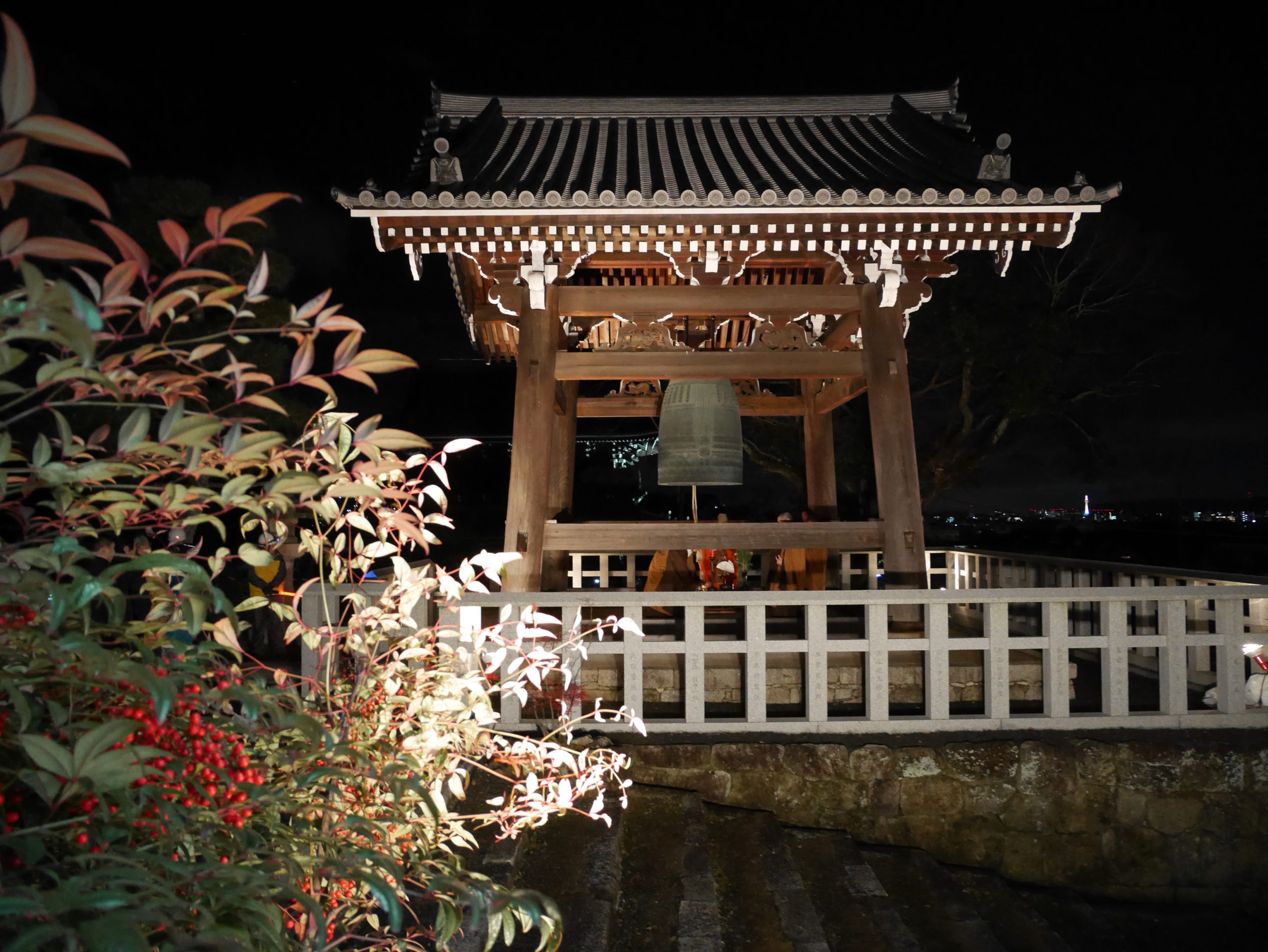
Joya no Kane (除夜の鐘) – The New Year’s Eve Bells
One of the most iconic sounds of Japanese New Year’s Eve is the deep, resonant ringing of temple bells.
🔔 Experience Joya no Kane: Temple Bell Ringing
Watch and listen as temple bells are rung 108 times to welcome the New Year
Video: Group ringing temple bell in Tokyo area, January 1, 2008
Source: Wikimedia Commons
What is Joya no Kane?
Joya no Kane (除夜の鐘) means “New Year’s Eve Bells” and is a Buddhist tradition practiced at temples throughout Japan.
The 108 Bell Rings:
- How many times: The temple bell (bonshō) is struck exactly 108 times
- When: Beginning just before midnight and continuing into the new year
- Who rings it: Monks and sometimes temple visitors take turns striking the bell
The Meaning of 108:
In Buddhism, the number 108 represents the 108 earthly temptations or worldly desires (bonnō) that cause human suffering. These include:
- Greed, anger, and ignorance
- Various forms of attachment and desire
- Mental states that prevent spiritual enlightenment
The Symbolism:
Each ring of the bell is believed to:
- Purify one temptation from the old year
- Cleanse the listener’s mind of worldly desires
- Create spiritual renewal for the new year
- Mark the transition between the old and new year
By the time the 108th bell rings, people believe they have been cleansed of all 108 earthly temptations and can start the new year with a pure heart and mind.
Hatsumōde (初詣) – First Shrine Visit
As soon as the clock strikes midnight, millions of Japanese people make their first visit to a shrine or temple.
What is Hatsumōde?
- Meaning: Hatsu (初) = first, Mōde (詣) = shrine/temple visit
- When: At midnight on January 1st, or during the first few days of the new year
- Where: Shinto shrines or Buddhist temples
- How popular: One of the busiest times at shrines—millions of people participate
What People Do at Hatsumōde:
- Make prayers: Ask for blessings, health, happiness, and success in the new year
- Buy omamori: Purchase protective amulets or charms for the new year
- Draw omikuji: Fortune-telling paper slips that predict your luck for the year
- Return old charms: Bring last year’s omamori to be ritually burned
- Make offerings: Toss coins into offering boxes and ring bells to call the gods’ attention
Special Treats:
At midnight, many Shinto shrines prepare amazake (sweet, non-alcoholic rice drink) to pass out to crowds. This warm, sweet drink helps people stay warm while waiting in long lines and adds to the festive atmosphere.
Otakiage – Ritual Bonfires
Some shrines hold otakiage, special bonfires where old New Year decorations, talismans, and written prayers from the previous year are ceremonially burned. This ritual:
- Returns sacred objects respectfully
- Symbolically releases the old year’s prayers
- Purifies through fire
- Makes space for new blessings
Cultural Note: The combination of Buddhist temple bells and Shinto shrine visits reflects Japan’s unique religious landscape, where many people practice both Buddhism and Shintoism simultaneously. This is called syncretism and shows how different belief systems can peacefully coexist.
Saying Goodbye to the Old Year
Yoi o-toshi wo (良いお年を)
- Pronunciation: YOH-ee oh-TOH-shee woh
- Literal meaning: “Have a good year”
- When to use: When seeing someone for the last time before the new year
- Context: Said on December 31st or in the days leading up to New Year’s
- Full phrase: Sometimes extended to “Yoi o-toshi wo o-mukae kudasai” (Please welcome a good new year)
Welcoming the New Year
Akemashite omedetō (明けましておめでとう)
- Pronunciation: ah-keh-mah-SHEE-teh oh-meh-deh-TOH
- Literal meaning: “Congratulations on the dawn” or “Congratulations on the new year”
- When to use: The first time you see someone after midnight on January 1st
- Full polite version: “Akemashite omedetō gozaimasu”
- Often followed by: “Kotoshi mo yoroshiku onegaishimasu” (I look forward to your continued friendship this year)
Why These Greetings Matter
These traditional phrases reflect important Japanese cultural values:
- Seasonal awareness: Acknowledging important transitions in time
- Community bonds: Expressing care for others’ well-being
- Respect for tradition: Using time-honored phrases connects people to history
- Mutual support: Wishing good fortune for others
Teaching Opportunity: Learning these phrases helps students understand that different cultures mark important transitions with special language. You might compare this to how English speakers say “Happy New Year!” or other culture-specific greetings.
✅ DO:
- Present Ōmisoka as a cultural learning opportunity about Japanese traditions
- Emphasize universal themes: fresh starts, family time, reflection, hope for the future
- Explain the historical context of the lunar calendar and Meiji Restoration
- Connect to similar end-of-year traditions in other cultures
- Invite Japanese or Japanese-American families to share their traditions (with their permission)
- Use it to teach about Japanese culture, values, and contributions
- Discuss how different cultures mark time and transitions
- Respect that some Japanese families may celebrate differently or not at all
❌ DON’T:
- Assume all Japanese or Asian students celebrate Ōmisoka
- Conflate Japanese traditions with other Asian cultures
- Present Japanese culture as monolithic—there’s great diversity within Japan
- Require students to participate in religious aspects (like Buddhist prayers)
- Use Ōmisoka as your only discussion of Japanese culture throughout the year
- Oversimplify or exoticize Japanese traditions
- Make assumptions about students’ religious backgrounds
Important Context for Educators
Religious and Cultural Complexity:
Ōmisoka traditions involve both Shinto and Buddhist elements, but many Japanese people practice these traditions culturally rather than religiously. It’s similar to how many Westerners celebrate Christmas culturally without necessarily being religious.
About Japanese-American Celebrations:
Japanese-American families may celebrate Ōmisoka differently than families in Japan. Some maintain all traditional customs, others adapt them to American life, and some may not celebrate at all. This diversity is normal and should be respected.
Respectful Classroom Integration
For Literature Connections:
- Use age-appropriate books about Japanese New Year traditions
- Look for books written by Japanese or Japanese-American authors
- Include stories that show diversity within Japanese culture
For Activities:
- Provide cultural and historical context before any activity
- Explain the symbolism and meaning behind traditions
- Focus on learning about traditions rather than practicing religious rituals
- Create inclusive activities that welcome all students
For Cross-Cultural Learning:
- Compare how different cultures celebrate New Year’s Eve worldwide
- Discuss why fresh starts and new beginnings are important to humans universally
- Explore different cultural approaches to marking time
- Examine how immigrant communities adapt and maintain traditions
Grades K-1:
- Focus on simple concept: “Japanese families celebrate New Year’s Eve by cleaning their homes and eating special noodles”
- Emphasize relatable aspects: family time, special foods, fresh starts
- Use visual aids: show pictures of toshikoshi soba, temple bells, shrines
- Simple story: “In Japan, families clean their house to get ready for a new beginning”
- Activity: Practice counting to 108 (bell rings), draw noodles, create simple New Year cards
- Movement: Practice slurping noodles motion, pretend to ring a big bell
Grades 2-3:
- Explain the meaning of “crossing from the old year to the new year”
- Discuss why long noodles symbolize the transition
- Introduce the concept of 108 bell rings and their meaning
- Compare Japanese New Year’s Eve to American New Year’s Eve celebrations
- Activity: Make paper bell crafts, practice Japanese greetings, create “fresh start” goal cards
- Discussion: “What things would you like to leave behind in the old year?”
Grades 4-5:
- Study the historical context: lunar calendar, Meiji Restoration, calendar change
- Explore Buddhist and Shinto traditions and their meanings
- Discuss the symbolism in foods and customs
- Compare New Year traditions across multiple cultures (Japanese, Chinese, Western)
- Research project: “How Different Cultures Mark the End and Beginning of Years”
- Critical thinking: “Why do you think cultures create special rituals for transitions like New Year?”
- Map activity: Locate Japan, discuss geography’s influence on culture
- Timeline: Place Ōmisoka in context of Japanese history
Language Arts
- Vocabulary: Learn Japanese words: Ōmisoka, toshikoshi soba, joya no kane, hatsumōde, osechi
- Comparative Study: How do different books and stories portray Japanese New Year?
- Personal Narrative: “My Family’s New Year Traditions”
- Persuasive Writing: “Why Fresh Starts Are Important”
- Poetry: Write haiku about endings and beginnings (fitting for Japanese theme)
- Research Writing: Report on Japanese cultural traditions
Math
- Counting: Practice counting to 108 (the bell rings)
- Time: Compare time zones—when it’s midnight in Japan, what time is it here?
- Calendar Math: Learn about lunar vs. solar calendars
- Measurement: Measure and compare lengths of different types of noodles
- Patterns: Create patterns inspired by Japanese design
- Problem Solving: Word problems about preparing osechi dishes
Social Studies
- Geography: Locate Japan on maps, discuss island nation characteristics
- History: Study the Meiji Restoration and Japan’s modernization
- Cultural Comparison: Compare New Year celebrations worldwide
- Religion Studies: Learn about Shintoism and Buddhism (age-appropriate)
- Immigration: Explore Japanese immigration to America and cultural preservation
- Timeline: Create timeline of Japanese calendar systems
Science
- Astronomy: Study lunar phases and lunar calendars
- Sound Science: Explore how temple bells create sound waves
- Food Science: Why do buckwheat noodles break easily? What makes them different from wheat noodles?
- Preservation: How does preparing osechi in advance keep food fresh?
Art
- Bell Art: Create paper bells inspired by bonshō temple bells
- Noodle Art: Paint or draw toshikoshi soba
- Japanese Calligraphy: Learn basic brush strokes, write New Year greetings
- Shrine Gates: Create torii gate artwork
- New Year Cards: Design nengajō (Japanese New Year postcards)
- Origami: Fold paper into traditional Japanese designs
Music
- Bell Sounds: Listen to recordings of joya no kane
- Traditional Music: Explore Japanese instruments and New Year songs
- Rhythm: Create patterns matching the 108 bell rings
K-2nd Grade:
- “Why do you think Japanese families clean their house on New Year’s Eve?”
- “What does it mean to have a ‘fresh start’?”
- “How does your family celebrate New Year’s Eve?”
- “Why do you think long noodles are special for New Year’s Eve?”
- “What would you like to do differently in the new year?”
3rd-5th Grade:
- “Why do you think the number 108 is significant in Buddhism?”
- “How does cleaning your space help you feel ready for something new?”
- “What can we learn from the tradition of settling debts before the new year?”
- “How do Japanese New Year’s Eve traditions compare to traditions in your family?”
- “Why do you think so many cultures have special foods for New Year celebrations?”
- “What does it mean to ‘cross over’ from one year to another?”
- “How did Japan’s adoption of the Gregorian calendar in 1873 show cultural change?”
- “Why might immigrants continue to celebrate Ōmisoka even when living in other countries?”
- “What values do you see reflected in Japanese New Year traditions?”
“Finishing the old year properly to start the new year fresh and pure.”
— The core philosophy of Ōmisoka
What Students Can Learn:
- Responsibility: Completing tasks and honoring commitments
- Renewal: The importance of fresh starts and new beginnings
- Reflection: Taking time to think about the past year
- Family Bonds: Coming together for meaningful shared experiences
- Mindfulness: Being present during important transitions
- Cultural Diversity: Different cultures express similar values in unique ways
- Symbolism: How physical actions can represent spiritual or emotional ideas
Making Personal Connections:
Encourage students to think about:
- What traditions does their family have for New Year’s Eve?
- How does their family mark important transitions?
- What would they like to “clean out” from the old year (bad habits, negative feelings)?
- What fresh start would they like to make?
- How does their family use food in celebrations?
Comparative Cultural Study:
Ōmisoka shares themes with many other cultural traditions:
- Spring Cleaning: Many cultures have yearly cleaning traditions
- New Year’s Resolutions: Setting intentions for the new year
- Midnight Celebrations: Marking the exact moment of transition
- Special Foods: Using symbolic foods to express hopes and values
- Religious Services: Gathering in spiritual spaces for transitions
Online Resources:
- Japan Society – Resources for educators
- Asia Society – Educational materials
- NHK World Japan – Videos of Kōhaku Uta Gassen and New Year celebrations
- Kids Web Japan – Government-sponsored educational site
- Embassy of Japan in the USA – Japanese educational resources
Community Connections:
- Invite Japanese or Japanese-American families to share their traditions (with their permission)
- Connect with local Japanese cultural centers or Japanese-American community organizations
- Visit Japanese gardens or cultural museums (if available)
- Attend Japanese New Year festivals (often held in January in many American cities)
Authentic Cultural Resources:
- Japanese American National Museum
- Japan-America Society chapters (many cities have local chapters)
- Sister city programs with Japanese cities
- Ancient and Adapted: Ōmisoka has roots in Japan’s ancient lunar calendar system but successfully adapted to the modern Gregorian calendar, showing how traditions can evolve while maintaining meaning.
- About Transitions: The celebration emphasizes the importance of properly ending one chapter before beginning another—a valuable life lesson for students.
- Purposeful Rituals: Every tradition has meaning: cleaning represents purification, long noodles symbolize crossing over, 108 bells cleanse worldly desires. This shows how cultures use symbolic actions.
- Religious Syncretism: Ōmisoka beautifully blends Shinto and Buddhist traditions, demonstrating how different belief systems can coexist peacefully.
- Universal Values in Unique Expression: Themes of fresh starts, family togetherness, and reflection resonate across all cultures, even though Japanese traditions express them uniquely.
- Cultural Preservation: Studying Ōmisoka helps students understand how immigrant communities maintain cultural identity and pass traditions to new generations.