Play Fallen Words, a Shakespeare sonnets game where the words keep escaping the poem and your job is to rescue them.
How the Shakespeare sonnets game works
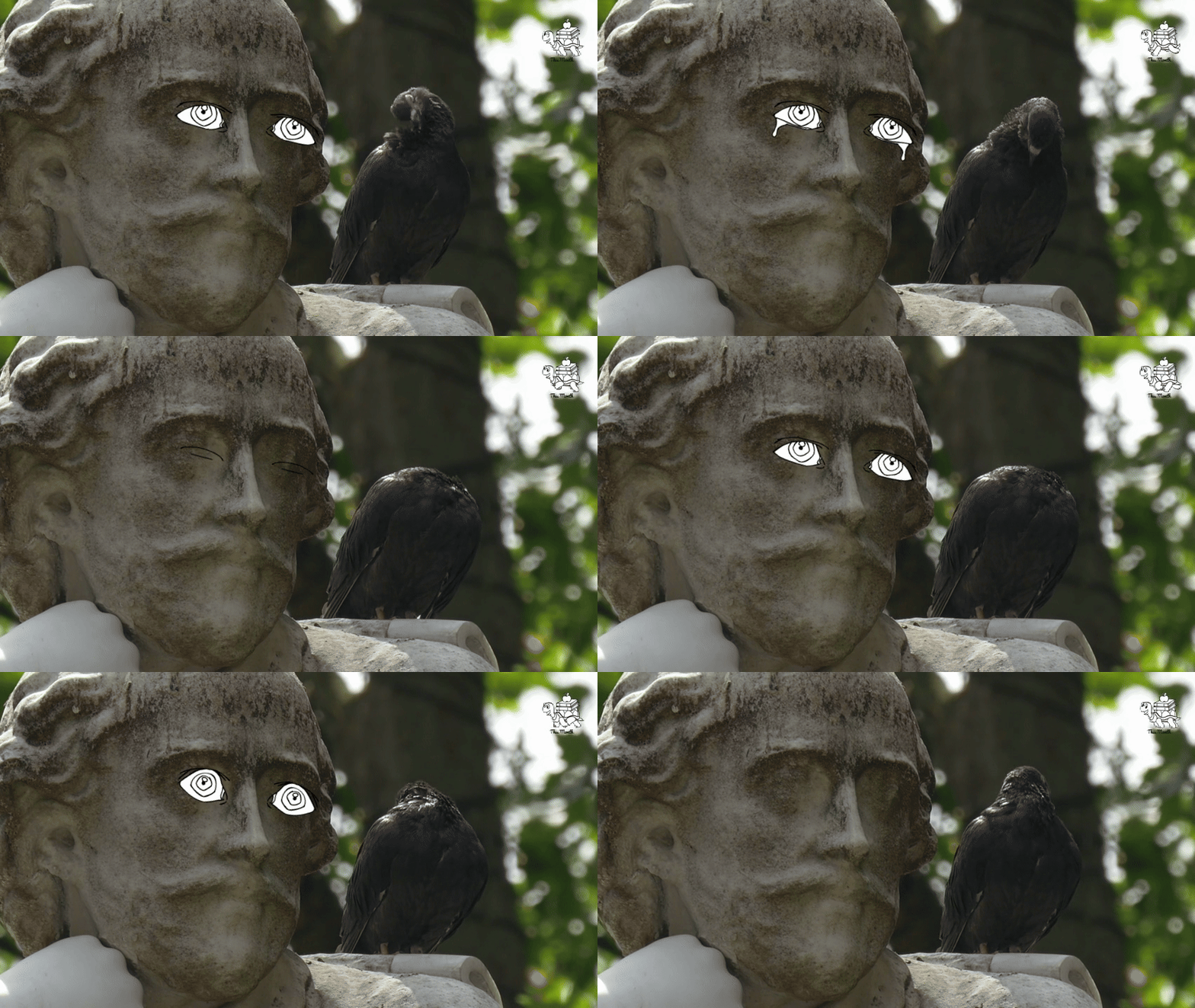
In Fallen Words, three of Shakespeare’s best-known sonnets begin whole. Then, one by one, key words drop out of the lines and land in a tray below the poem. Tap or click a word, then tap or click the blank where you think it belongs, or drag it straight into place. Each word carries a small clue, such as a short meaning, a category, or a rhyme hint, so students can reason their way back to Shakespeare’s choice. A word that does not fit does not stick, so students can keep trying.
If students get stuck, the Hint button shows what connects the fallen words. When a sonnet is finished, the words light up in colored groups that reveal the poem’s hidden ideas. Harpsichord music plays while students work and can be switched off with the music note at the top.
Three sonnets, three big ideas
- Sonnet 98 (“From you have I been absent in the spring”): the speaker is apart from someone he loves, so even a beautiful spring feels like winter.
- Sonnet 18 (“Shall I compare thee to a summer’s day?”): summer fades, but the person in the poem lives on through the poem itself.
- Sonnet 116 (“Let me not to the marriage of true minds”): love is described as a fixed mark that storms cannot shake.
All three follow the English sonnet form: 14 lines made of three four-line stanzas and a closing rhyming couplet. Because the fallen words have to fit the meaning, the grammar, and the rhyme, students notice that structure without a lecture on it.
What students practice
Every blank has to make sense in the line, so students practice close reading, using context clues to work out unfamiliar words, listening for rhyme and rhythm, and talking about how a poet’s word choice shapes meaning. Finishing each sonnet also gives them a whole poem to read aloud with confidence.
Using it in class or at home
- Whole class: Project the game, read each sonnet aloud together first, then let students call out where each fallen word belongs.
- Pairs or small groups: Two students share a device and agree on each word before placing it.
- Independent practice: Students play on their own, then read the finished sonnet aloud to a partner.
- At home: Families can play together on a computer, tablet, or phone with nothing to download.
To explore more of the sonnets and ideas for teaching them, visit the Folger Shakespeare Library’s page on Shakespeare’s Sonnets.
Frequently asked questions
What grade level is Fallen Words?
Fallen Words is written for grades 5 and up, so it works as a friendly first step into Shakespeare’s language for upper elementary and middle school readers.
How many sonnets are in the game?
There are three: Sonnet 98, Sonnet 18, and Sonnet 116. Students finish them in that order, and each one has its own set of fallen words.
Can the music be turned off?
Yes. Harpsichord music plays while students work, and the music note at the top of the game turns it off or back on at any time.
Does the Shakespeare sonnets game work on phones and tablets?
Yes. It plays in a web browser on computers, tablets, and phones. Students can tap or click a word and then tap or click its blank, or drag the word into place.