The Ultimate Guide to America’s Potluck! Unforgettable Camp & Classroom Activities for the 250th Anniversary
Celebrate America’s 250th anniversary with an unforgettable community potluck designed for elementary classrooms, summer camps, and family pods. This interactive Teacher’s & Camp Director’s Guide transforms America’s Potluck, a nationwide initiative bringing neighbors together on July 5, 2026, into genuine, grade-differentiated learning experiences for K-5 students. Campers explore civic engagement, local history, and community-building through hands-on activities: K-1 learners practice sharing and neighborliness, grades 2-3 interview family members about meaningful recipes and sketch neighborhood maps, and grades 4-5 form real event-planning committees while practicing respectful dialogue across differences. The guide includes cultural sensitivity guidance to keep participation inclusive and optional, cross-curricular lessons spanning civics, history, literacy, art, and math, discussion questions by age band, differentiated vocabulary, and a ready-to-use camp potluck planning template. Educators and camp directors will find everything needed to turn a national anniversary into an authentic, welcoming celebration of community, connection, and shared history—no partisan framing, just neighbors building belonging one table at a time.
Teacher’s & Camp Director’s Guide to America’s Potluck
A Community Table for America’s 250th Anniversary
What Is America’s Potluck?
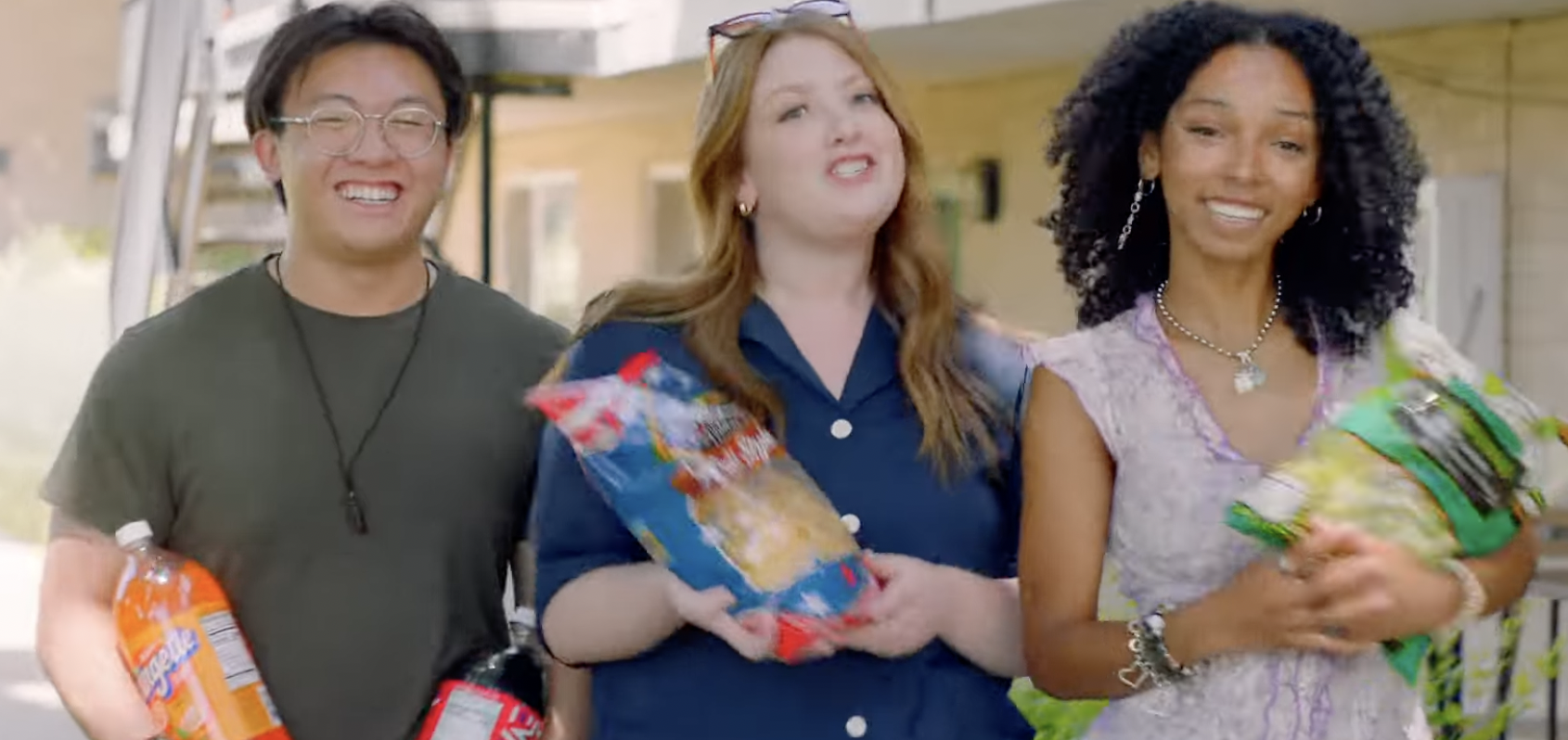
America’s Potluck is a nationwide community initiative inviting neighbors to share a communal meal together on Sunday, July 5, 2026, marking the 250th anniversary of the Declaration of Independence. The idea is simple: neighbors gather around food to build connection and belonging, one table at a time.
The Scale of the Movement
The effort is coordinated by state anniversary commissions in all 50 states and Puerto Rico, working alongside national partners and a growing number of cities. Organizers have set a goal of 25,000 individual potlucks taking place across the country.
Why 250? The Semiquincentennial, Explained
2026 marks the semiquincentennial—the 250th anniversary—of the signing of the Declaration of Independence in 1776. Congress established a national Semiquincentennial Commission to encourage Americans to reflect on the nation’s past, take stock of the present, and look ahead to its future. Every state has since formed its own commission to coordinate local commemorations, educational programming, and community events.
A Civic Anniversary, Not a Single Culture’s Holiday
Unlike the cultural and religious observances in the rest of this guide series, America’s Potluck centers on shared civic identity and local community rather than one tradition. It is best framed as a lesson in civic participation and neighborliness: showing children that democracy is practiced not only through voting, but through the everyday work of building relationships across difference.
Why This Belongs in Camps and Family Pods
Because July 5, 2026 falls in the heart of summer programming season, camps and family pods are uniquely positioned to give children a hands-on civic experience that most classrooms will miss simply due to the school calendar. Youth-focused civic learning networks have emphasized that connecting younger generations to the 250th works best when it is made relevant, inclusive, and hands-on rather than delivered as a lecture—which is exactly what a camp setting can offer: real food, real planning, real neighbors.
The Broader Ecosystem
America’s Potluck sits alongside a wider field of 250th educational programming, including civics curricula from organizations such as the National Constitution Center and iCivics, local-history projects supported by state humanities councils, and youth civic-engagement initiatives from museum networks. This guide draws on that ecosystem while keeping its own focus narrow and camp-appropriate: a shared meal, a bit of local history, and genuine practice in community-building.
A Note on Nonpartisan Framing
This guide intentionally avoids any single state’s official branding or partisan framing. The historical core—an anniversary of a shared founding document, and an invitation to build community with neighbors—works in any classroom or camp, regardless of state policy environment.
These activities are designed for camp or family-pod blocks of 30–60 minutes but can be trimmed for a single classroom period.
What Makes a Neighbor?
- Circle discussion: “Who is a neighbor? What is one kind thing a neighbor can do?”
- Snack share: Each camper brings or is given one simple, no-cook snack item (grapes, crackers, cheese) to add to a shared “camp table.” Everyone takes a small portion from the shared spread rather than eating only what they brought.
- Craft: Decorate a paper placemat with a picture of “someone I’d like to share a meal with”
- Song or chant: A simple call-and-response about sharing and taking turns at the table
Our Community, 250 Years Ago and Today
- Mini-research: Campers ask a family member or camp staff person, “What was our town or neighborhood like a long time ago?” and draw a simple “then and now” picture
- Recipe interview: Campers interview a family member about a dish that means something to their family and write 2–3 sentences about it
- Neighborhood map: As a group, sketch a simple map of “who lives near us” (camp, school, or neighborhood) and mark it with symbols for parks, libraries, or gathering spots
- DIY bunting: Decorate simple triangle pennants to string along the eventual potluck table
Planning a Real Community Event
- Civics mini-lesson: What is a state anniversary commission, and what does “local governance” mean? Connect to how their own camp or town makes group decisions.
- Respectful dialogue practice: A kid-friendly version of a “disagree better” exercise—partners share two things they like that are different (a food, a game, a tradition) and practice responding with curiosity rather than judgment
- Event planning team: Divide into small committees (invitations, food sign-up, decorations, welcome greeters) to plan an actual mini camp potluck, mirroring how a real community event gets organized
- Timeline project: Build a simple timeline from 1776 to 2026, marking a few major milestones and one thing that has stayed the same about American communities
Mixed-Age Camp Adaptation
For camps or pods with mixed ages, pair older campers with younger ones for the recipe-interview and bunting-making activities, and let the 4-5 planning committees “hire” younger campers as greeters or table decorators on the actual potluck day.
A potluck is only as welcoming as its ground rules. Because camps and family pods often include children from a wide range of income levels, immigration backgrounds, dietary needs, and family structures, thoughtful planning matters.
✅ Do
- Make bringing a dish entirely optional, with camp-provided food always available as the default
- Invite families to share the story behind a dish if they want to—never require it
- Provide a simple, translated sign-up sheet for families who speak languages other than English at home
- Label common allergens and offer at least one nut-free, dairy-free, and vegetarian option
- Frame the event as “bring a dish, a story, or just yourself”
❌ Don’t
- Require every family to bring a “traditional” or “cultural” dish, which can feel like a performance rather than a genuine invitation
- Assign dishes based on assumptions about a family’s background
- Make cost a barrier—have a plan for families who can’t bring anything
- Turn the event into a show-and-tell of a single culture; keep it plural and open
- Skip an allergy plan; food-based events need one
Two-Way Exchange, Not One-Way Performance
The strongest version of this event treats every family’s contribution—whether it’s a dish, a story, a game, or simply their presence—as equally valuable. Camp staff should model curiosity (“Tell me about this!”) rather than treating any single dish as more “authentic” or interesting than another.
Civics
Introduce the idea of a “commission”—a group of people appointed to plan something for the whole community—using the state anniversary commissions as a real-world example. Let campers form their own mini “potluck commission” with roles.
History
Build a simple 1776–2026 timeline. For 4-5, add a “250 years from now” prediction activity: what might a future potluck look like?
Literacy
Recipe-as-narrative writing: campers write a short paragraph about a food memory, focusing on who they shared it with and why it mattered, not just the ingredients.
Math
Recipe scaling: take a simple recipe and have campers double or halve it for a “camp cookbook,” practicing fractions in a real context.
Art
DIY bunting and table decorations using camp-safe materials (paper, fabric scraps, natural dyes). Avoid reproducing official flags or seals; instead use camp colors or a simple pennant motif.
📋 Sample 5-Day Camp Mini-Unit
- Day 1: What is America’s Potluck? (Background + K-1/2-3/4-5 opening activities)
- Day 2: Recipe interviews and family stories
- Day 3: Planning committees form; invitations and decorations begin
- Day 4: Cross-curricular workday (timeline, cookbook math, bunting)
- Day 5: Camp potluck event, with campers in their planned roles
- What is a food you love to share with someone?
- How do you feel when you get to try something new?
- What is one way you can be a good neighbor this week?
- Why do you think people wanted to create a nationwide day for sharing meals together?
- What is something about your family’s food traditions that you’d want a friend to know?
- How is our community today similar to or different from communities 250 years ago?
- Why might sharing a meal be a meaningful way to practice democracy, even though it isn’t voting?
- What does it mean for a country to have people from many different backgrounds all call it home?
- If you were on a real anniversary commission, what one event would you plan for your town, and why?
- What is one thing you disagree with a friend or classmate about, and how could you talk about it respectfully?
Inviting Genuine Participation
Send home a simple note a week or two before your camp or classroom event, inviting families to share a dish and, if they’d like, a sentence or two about what it means to them. This keeps the exchange two-way: families are contributing knowledge, not just food.
📋 Sample Camp Potluck Planning Template
- Date/Time: ____________________
- Dish sign-up (optional): Name / Dish / Allergen notes
- Camp-provided default foods: ____________________
- Greeters (camper roles): ____________________
- Decorations lead (camper roles): ____________________
- Story-sharing table (optional): A simple table where families can post an index card about their dish
Take-Home Conversation Starters
Send families home with a card of questions to use at their own July 5 potluck, whether or not it’s connected to the camp: “What’s a dish that’s been in your family for a long time?” “What’s one thing you appreciate about a neighbor?” “What do you hope our community looks like in another 250 years?”
Grades K-1
Grades 2-3
Grades 4-5
Civic & Dialogue Resources
- National Constitution Center – America at 250 civics toolkit and classroom resources
- iCivics – free K-12 civics lesson plans
- Made By Us / Youth250 – youth-centered civic engagement resources connected to the 250th anniversary
- Interfaith America – a step-by-step potluck hosting toolkit centered on pluralism and connection
- Living Room Conversations and Disagree Better – frameworks for respectful dialogue across difference, adaptable for older elementary campers
Event Planning Resources
- State anniversary commission websites (search “[your state] 250th commission”)
- Local libraries and historical societies, which often have activity booklets and local-history materials for young learners
- America’s Test Kitchen’s state-specific recipe collections, useful for the cross-curricular cookbook activity
Primary Source:
America250 Utah. (2026). America’s Potluck. Retrieved from https://america250.utah.gov/americaspotluck/
National Civic & Educational Organizations Referenced:
- National Constitution Center – America at 250 Civic Toolkit
- iCivics & Bill of Rights Institute – Civic Star Challenge
- Made By Us – Youth250 Toolkit and Bureau
- Interfaith America – America’s Potluck Toolkit
- Disagree Better and Living Room Conversations – dialogue frameworks
- National League of Cities – America250 Celebration Toolkit
Historical Note:
The U.S. Semiquincentennial Commission was established by Congress (P.L. 114-196) to coordinate national commemoration of the 250th anniversary of the Declaration of Independence, signed in 1776. Individual state commissions, including Utah’s, plan complementary local programming.