🎿 Reporting on The 2026 Winter Olympics 📰
🎉 The Excitement of Opening Ceremony
February 6, 2026 • Milano, Italy
By P. Nanda, This Month™ News Reporter
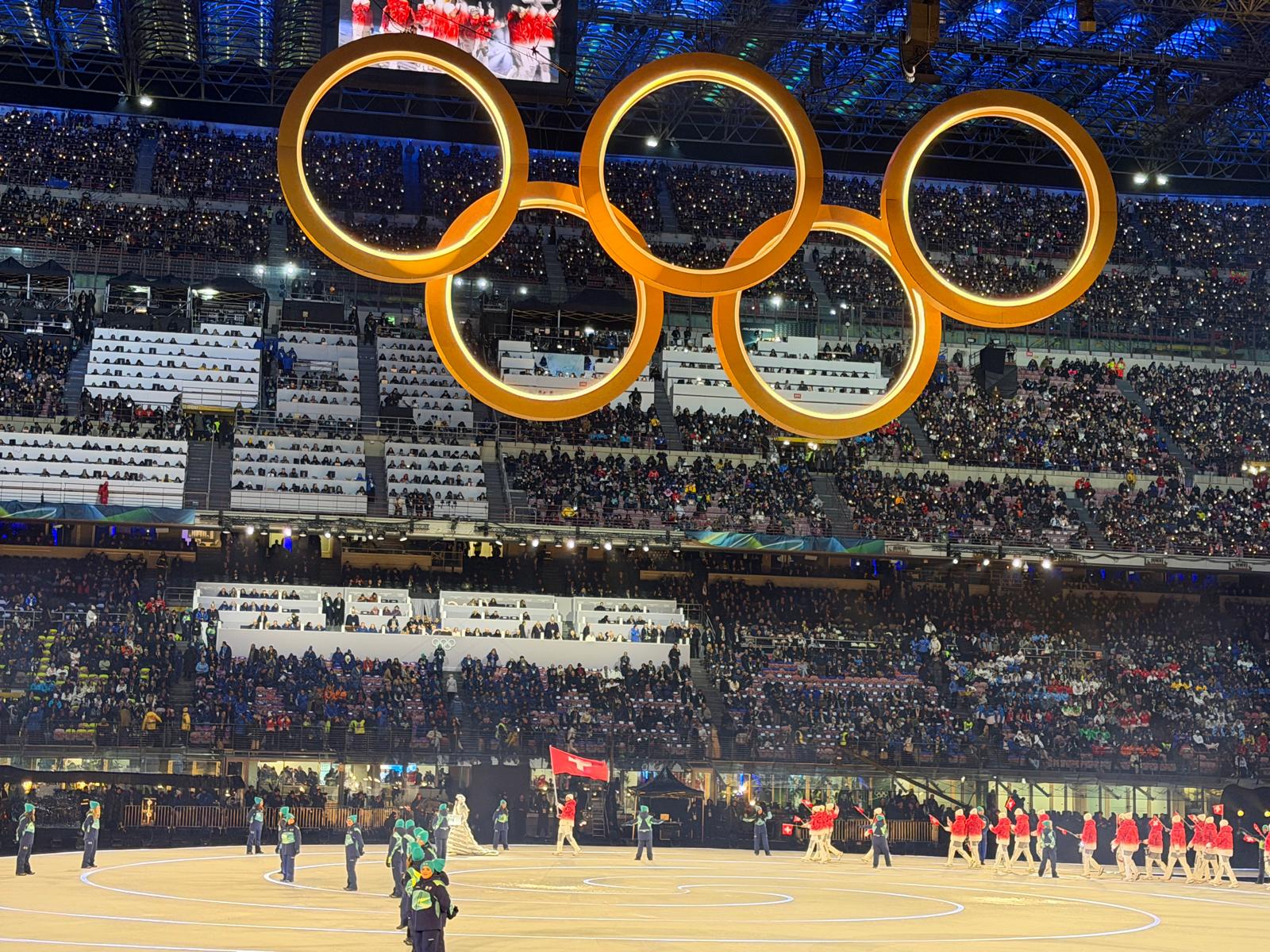
The Winter Olympics started with a HUGE party called the Opening Ceremony! It happened in Milan, Italy on February 6, 2026.
Thousands of people came to watch athletes from all over the world march into the arena. Each country had their own flag and wore special uniforms!
The Olympic Rings are five colored rings that represent the five continents of the world coming together for the games! 🌍
The Opening Ceremony is a grand celebration that officially starts the Winter Olympics! It took place at the Milano Santa Giulia Arena on February 6, 2026.
During the ceremony, athletes from every participating nation parade into the stadium carrying their country’s flag. This is called the “Parade of Nations.”
The ceremony includes performances, speeches, and the lighting of the Olympic flame—a tradition that dates back to the ancient Olympics!
The Olympic Rings: The five interlocking rings symbolize the unity of the five inhabited continents (Africa, Americas, Asia, Europe, and Oceania) and the meeting of athletes from around the world.
The Opening Ceremony is one of the most significant cultural events in the world, marking the commencement of the Winter Olympics. The 2026 ceremony took place at Milano Santa Giulia Arena on February 6, 2026.
The ceremony follows established Olympic protocol: the Parade of Nations (where athletes march in alphabetical order by country name in the host nation’s language), artistic performances celebrating Italian culture, official speeches by dignitaries, and the symbolic lighting of the Olympic cauldron.
Olympic Symbolism: The five Olympic rings, designed by Pierre de Coubertin in 1913, represent the five inhabited continents. The colors (blue, yellow, black, green, and red on a white background) were chosen because at least one of these colors appears on every national flag in the world.
Italy is hosting its fifth Olympic Games (third Winter Olympics after Cortina 1956 and Turin 2006), making it one of the most experienced Olympic host nations.
Video by P. Nanda, This Month™ News Reporter
Photo by P. Nanda, This Month™ News Reporter • February 6, 2026
🏛️ Exploring the Olympic Host City Milan, Italy
By K. Schlatter, This Month™ News Reporter
Milan is a big, beautiful city in Italy! It’s one of the cities hosting the Winter Olympics.
Milan has amazing buildings, delicious food, and lots of art and history. During the Olympics, the whole city is celebrating!
San Siro Stadium (also called Stadio Giuseppe Meazza) is a HUGE soccer stadium! It can hold 75,817 people—that’s like 1,500 school buses full of people! ⚽
Milan is Italy’s second-largest city and a major cultural and economic center. Along with Cortina d’Ampezzo (a mountain town), Milan is co-hosting the 2026 Winter Olympics.
During the Olympics, Milan showcases Italian culture, fashion, art, and cuisine. The city created an “Olympic Boulevard” where visitors can experience Italian traditions and Olympic celebrations!
Historic Landmarks:
- San Siro Stadium (Stadio Giuseppe Meazza): One of the most famous football stadiums in the world! It’s home to both AC Milan and Inter Milan teams. The stadium holds 75,817 people and is nicknamed “La Scala del calcio” (The La Scala of football).
- Galleria Vittorio Emanuele II: A stunning glass-roofed shopping arcade from the 1860s
Milan (Milano in Italian) is the capital of Lombardy and Italy’s financial and fashion capital, with a metropolitan population of approximately 3.26 million. The city is co-hosting the 2026 Winter Olympics with Cortina d’Ampezzo, located 400km to the northeast in the Dolomite Mountains.
This represents an innovative “distributed Olympics” model, with ice sports primarily in Milan and snow sports in Cortina and surrounding Alpine venues. This approach reduces construction costs and environmental impact by utilizing existing infrastructure.
Cultural and Historical Significance:
- San Siro Stadium (Stadio Giuseppe Meazza): Located in the San Siro district, this iconic football stadium opened in 1926 and is one of Europe’s largest stadiums with a capacity of 75,817. It’s nicknamed “La Scala del calcio” (La Scala of football) and serves as home to both AC Milan and Inter Milan football clubs. The stadium has hosted numerous major sporting events including World Cup matches and UEFA Champions League finals.
- Galleria Vittorio Emanuele II: Built 1865-1877, it’s one of the world’s oldest shopping malls and features a stunning iron-and-glass vaulted arcade.
- La Scala: One of the world’s most prestigious opera houses (opened 1778)
- Leonardo da Vinci’s “The Last Supper”: Housed in the Santa Maria delle Grazie convent
Milan’s Olympic Boulevard connects key venues and cultural sites, creating an immersive experience that celebrates both Olympic sport and Italian heritage.
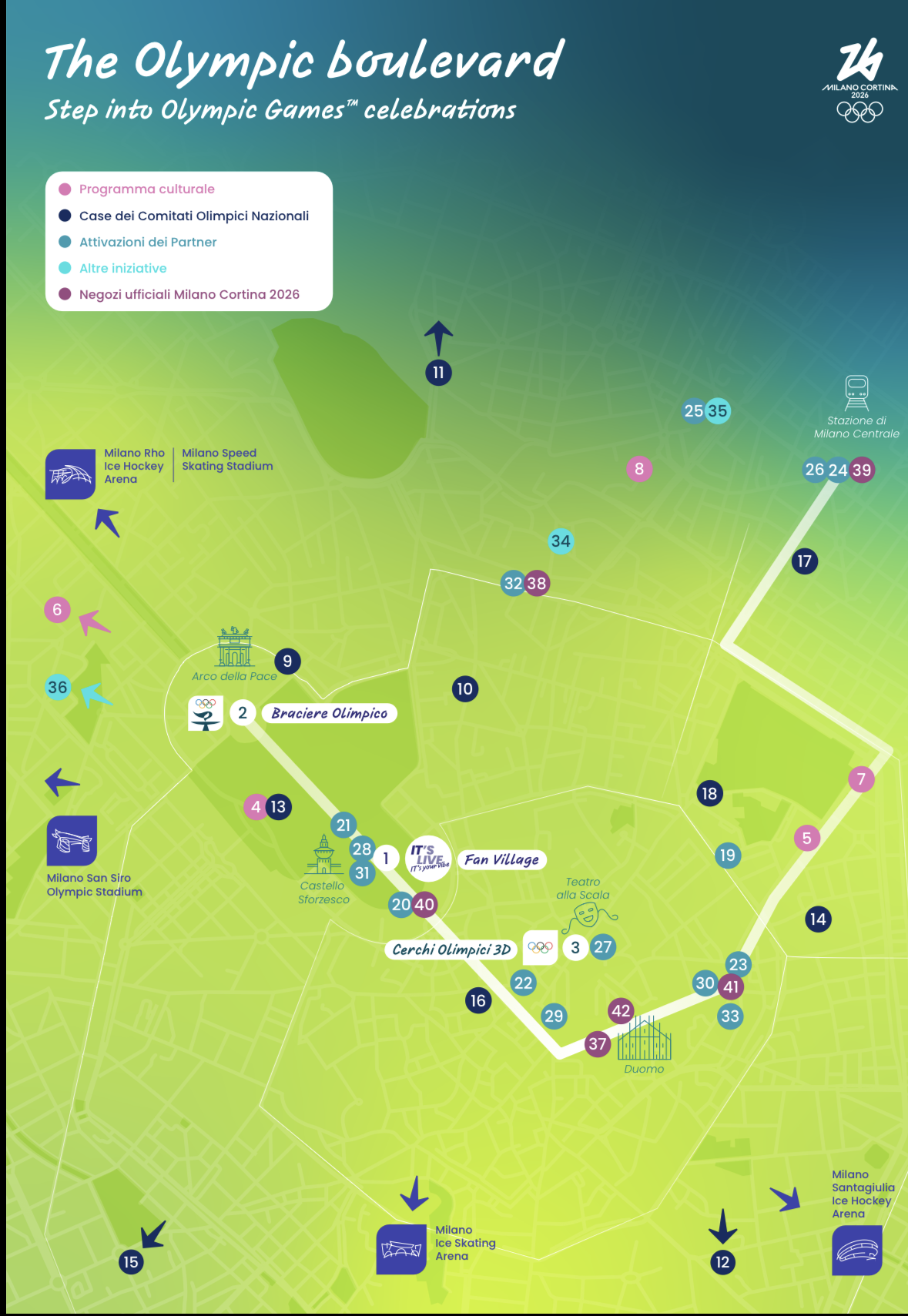
Map showing venues, cultural program sites, and celebration areas across Milan
Photo by G. Galimberti, This Month™ News Reporter • Milan, February 2026
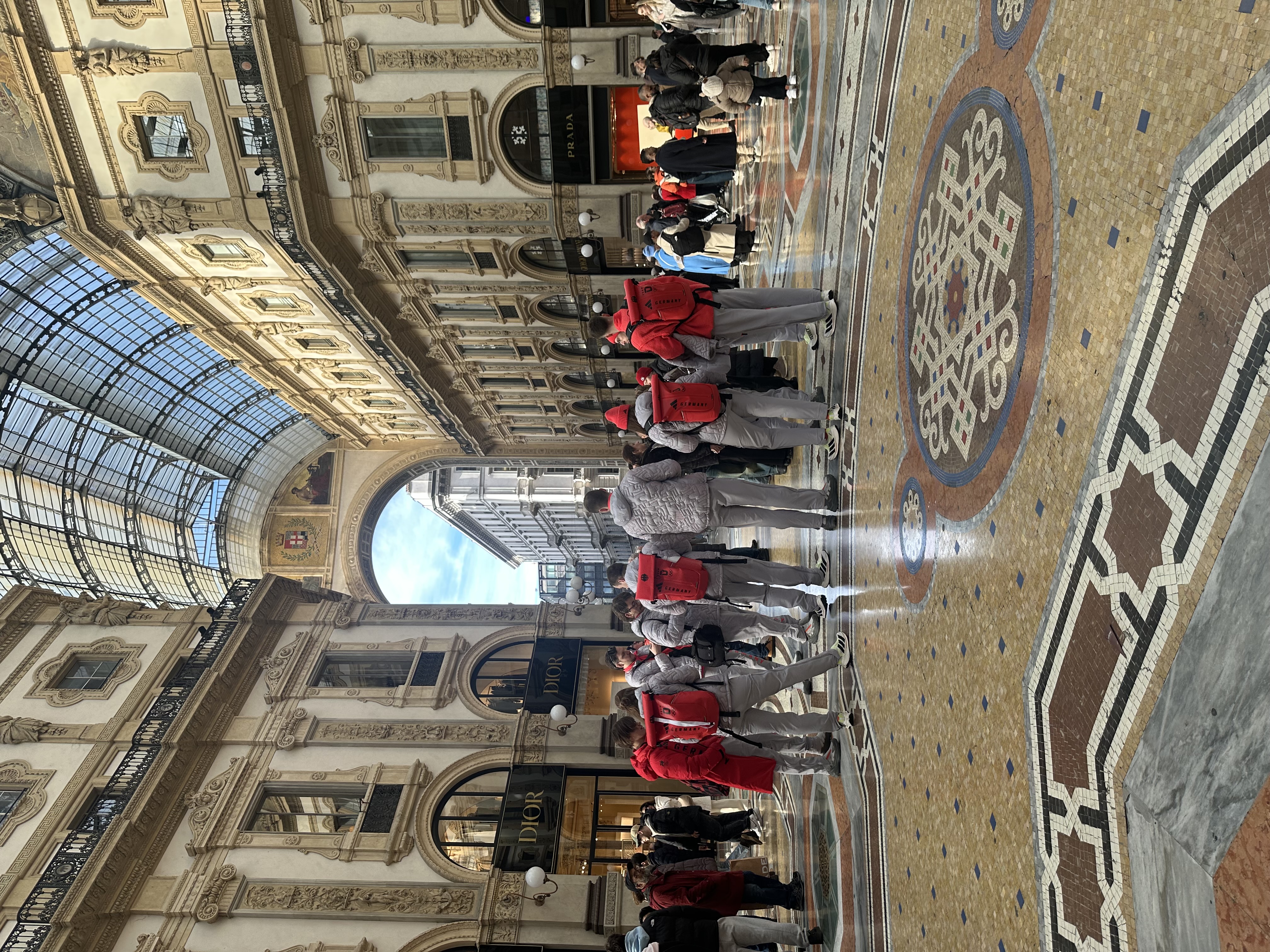
Photo by K. Schlatter, This Month™ News Reporter • February 2026
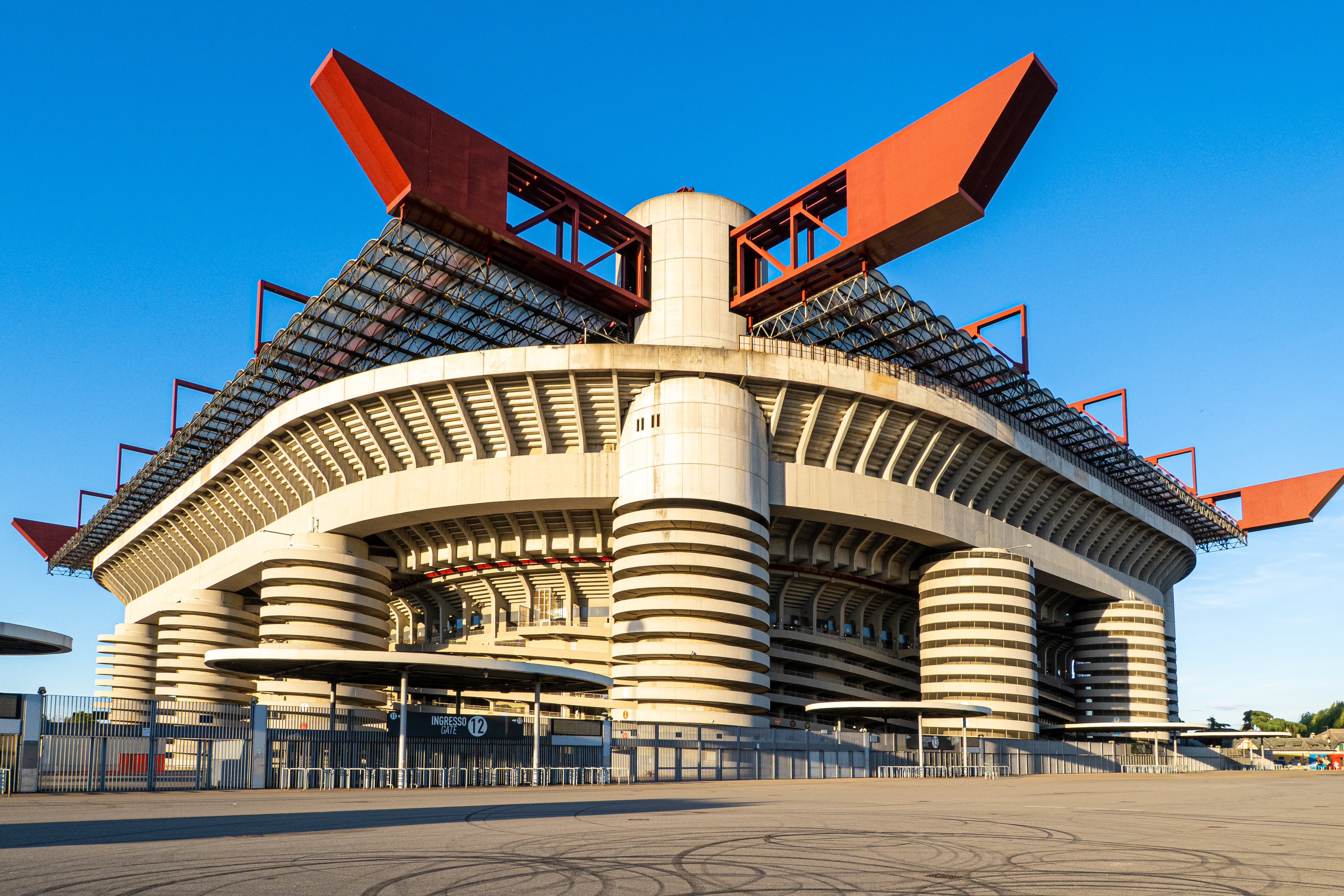
One of Europe’s largest stadiums with capacity for 75,817 spectators
Photo: This Month™ News Reporter • February 2026
⛷️ What Are the Winter Olympics?
The Winter Olympics is a BIG sports competition that happens every 4 years! Athletes from countries all around the world come together to compete in winter sports like skiing, skating, and hockey.
It’s like the Summer Olympics, but with sports you play in the snow and on ice! ❄️
When did it start? The first Winter Olympics was in 1924 in France—that was 102 years ago!
Why do we have the Olympics? The Olympics bring people from different countries together through sports. Athletes work really hard and show what they can do. Everyone cheers for their country, but also respects all the other athletes! 🏅
The Winter Olympics is an international multi-sport event held every four years, featuring sports that are practiced on snow and ice.
History: The first Winter Olympics took place in Chamonix, France in 1924. Before this, some winter sports were included in the Summer Olympics, but there were so many winter sports that they decided to create a separate Winter Olympics!
How often? The Winter Olympics happen every four years. They used to happen in the same year as the Summer Olympics, but since 1994, they alternate—so we get Olympic Games every two years (Summer, then two years later Winter, then two years later Summer again)!
Olympic Values: The Olympics promote three core values:
- Excellence: Doing your very best
- Friendship: Building connections with people from around the world
- Respect: Playing fair and respecting opponents, rules, and the environment
The Olympic Motto: “Citius, Altius, Fortius – Communiter” (Latin for “Faster, Higher, Stronger – Together”)
The Winter Olympic Games is a quadrennial international multi-sport event featuring winter sports contested on snow and ice. It is one of the world’s most prestigious sporting competitions, alongside the Summer Olympics.
Historical Development:
- 1924: The first Winter Olympics (officially called “International Winter Sports Week”) was held in Chamonix, France, with 258 athletes from 16 nations competing in 16 events.
- Growth: The 2026 Milan-Cortina Games feature approximately 2,900 athletes from 93 nations competing in 116 events across 15 disciplines—demonstrating massive expansion over the past century.
- Alternating Schedule: From 1924-1992, Winter and Summer Olympics were held in the same year. In 1994, the International Olympic Committee (IOC) moved to an alternating schedule, with Winter Games occurring two years after each Summer Games.
Olympic Philosophy: The modern Olympic movement, revived by Pierre de Coubertin in 1896, is founded on the concept of “Olympism”—a philosophy that combines sport with culture and education, promoting balanced development of body, will, and mind. The three core Olympic values are Excellence, Friendship, and Respect.
Governance: The Olympics are organized by the International Olympic Committee (IOC), headquartered in Lausanne, Switzerland. Each sport is governed by its respective International Federation (IF), such as the International Ski Federation (FIS) or International Ice Hockey Federation (IIHF).
Economic Impact: Host cities invest billions in infrastructure, venues, and logistics. The 2026 Milan-Cortina Olympics have an estimated budget of €1.7 billion (approximately $1.8 billion USD). The economic impact extends beyond direct spending, potentially boosting tourism, international recognition, and regional development.
🏅 Fun Olympic Facts!
• The Olympic flame is lit in Greece and travels to the host city!
• Gold medals are actually made mostly of silver with gold coating!
• Athletes live in a special Olympic Village during the games!
• The Olympic flame is lit in Olympia, Greece using the sun’s rays with a parabolic mirror, then travels via torch relay to the host city.
• Gold medals contain only about 6 grams of gold plating over 550 grams of silver!
• The Olympic Village houses all athletes during the games—it’s like a temporary city with dining halls, recreation centers, and medical facilities.
• Olympic medals have been awarded since 1896 (Summer) and 1924 (Winter).
• The Olympic flame ceremony originates from ancient Greek tradition. The flame is ignited in Olympia, Greece using a parabolic mirror to focus sunlight, symbolizing the link to the ancient Olympics (776 BCE – 393 CE).
• Modern Olympic gold medals must contain at least 6 grams of gold plating over approximately 550 grams of 92.5% silver. This standard was established in 1912.
• The Olympic Village concept was introduced in 1932 (Los Angeles). It serves multiple purposes: housing athletes, promoting interaction between nations, ensuring security, and providing comprehensive support services.
• The Olympic Truce is a tradition dating to ancient Greece, calling for cessation of hostilities during the Games to allow safe passage for athletes and spectators.
🎿 Winter Olympic Sports
The 2026 Winter Olympics has 15 different sports! Athletes ski down mountains, skate on ice, slide down tracks, and play hockey. Let’s meet some of the sports:
The 2026 Winter Olympics features 15 sports across 116 events. Each sport has multiple disciplines (different ways to compete in that sport). Athletes train for years to compete at the Olympic level!
The 2026 Milan-Cortina Winter Olympics features 15 sports comprising 116 medal events across various disciplines. Sports are categorized into three main groups: ice sports, alpine/Nordic sports, and sliding sports. The program includes both individual and team competitions.
Racing down snowy mountains super fast!
Downhill, Slalom, Giant Slalom, Super-G, Combined
Speed and technical disciplines on steep mountain courses. Athletes reach speeds exceeding 130 km/h (80 mph) in downhill events.
Skiing across flat and hilly snow trails!
Long-distance skiing races across varied terrain using different techniques
Endurance races ranging from sprints to 50km marathons, using classic and freestyle techniques.
Beautiful skating with jumps and spins to music!
Artistic performances combining athletic skill with choreography, music, and costumes
Singles, pairs, and ice dance. Athletes perform technical elements (jumps, spins, footwork) and artistic programs judged on technical execution and artistic impression.
A fast team sport where players use sticks to hit a puck into a goal!
Two teams of 6 players try to score goals by shooting a rubber puck into the opponent’s net
Men’s and women’s tournaments. Teams of 6 players (including goaltender) compete in three 20-minute periods. Known for speed, physicality, and strategic gameplay.
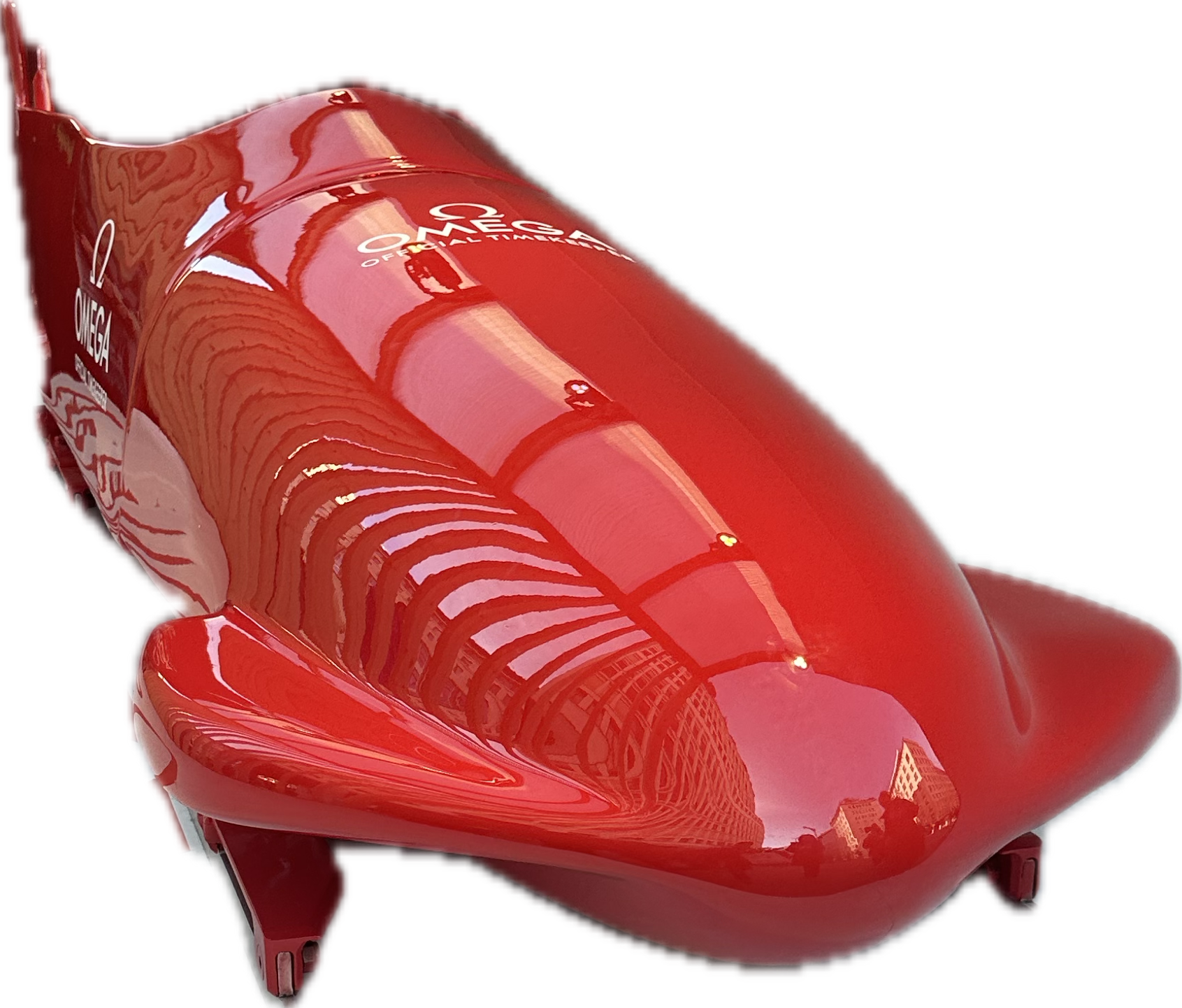
Sliding down an icy track in a sled really, really fast!
Teams of 2 or 4 people race down a twisting ice track in a streamlined sled at speeds over 90 mph!
Two-person and four-person bobsled. Teams push-start the sled, then navigate a banked ice track at speeds exceeding 150 km/h. Combines power, speed, and precision steering.
Sliding stones across ice toward a target, like shuffleboard on ice!
Teams slide granite stones across ice toward a target. Teammates sweep the ice to control the stone’s speed and direction!
Strategic team sport where players slide 44-pound granite stones toward a target (“house”). Sweeping with brooms reduces friction and controls trajectory. Requires precision, strategy, and teamwork.
Riding down mountains and doing tricks on a snowboard!
Halfpipe, Slopestyle, Big Air, Cross, and Parallel Giant Slalom events featuring aerial tricks and racing
Multiple disciplines including freestyle (tricks and aerial maneuvers), alpine (racing), and snowboard cross (racing against opponents on a course with jumps and turns).
Cross-country skiing combined with target shooting!
Athletes ski long distances, then stop to shoot rifles at targets. It combines endurance and accuracy!
Combines cross-country skiing and rifle marksmanship. Athletes ski between shooting ranges where they must hit five targets from 50 meters. Missed shots result in penalty laps or added time.
Skiing with amazing flips, spins, and tricks in the air!
Aerials, Moguls, Halfpipe, Slopestyle, Big Air, and Cross events featuring jumps and technical skiing
Multiple disciplines: Aerials (acrobatic jumps), Moguls (bump skiing), Halfpipe (tricks in a U-shaped snow channel), Slopestyle (course with rails and jumps), Ski Cross (racing).
Racing around an ice track as fast as possible!
Athletes race against the clock on a 400-meter oval ice track. There’s also Short Track Speed Skating with multiple racers competing at once!
Long track (400m oval, time trials) and short track (111m track, mass start racing). Distances range from 500m sprints to 10,000m marathons. Requires explosive power and endurance.
Sliding feet-first down an icy track on a small sled!
Athletes lie on their backs on a small sled and race down a twisting ice track at speeds up to 90 mph!
Singles, doubles, and team relay. Athletes lie supine on a small sled, steering with their legs and shoulders while navigating a track at speeds exceeding 140 km/h.
Ski jumping PLUS cross-country skiing!
Athletes compete in both ski jumping and cross-country skiing. Their jump score determines their starting position for the ski race!
Two-event discipline combining ski jumping and cross-country skiing. The jumping segment determines starting intervals for the skiing race, making the first across the finish line the winner.
Skiing down a big ramp and flying through the air!
Athletes ski down a steep ramp, launch into the air, and try to jump as far as possible while maintaining good form!
Athletes descend an inrun, launch from a takeoff ramp, and attempt maximum distance while maintaining aerodynamic position. Normal hill (K-point 90m) and large hill (K-point 120m) events. Judged on distance and style.
Sliding headfirst down an icy track on a small sled!
Like luge, but athletes race headfirst lying on a small sled! It’s one of the scariest-looking Olympic sports!
Athletes ride a small sled headfirst and prone, reaching speeds of 130+ km/h. Named for the sled’s skeletal appearance. Requires courage, precision, and ability to withstand 5Gs of force in turns.
NEW SPORT! Skiing up AND down mountains—like a race in the mountains!
NEW for 2026! Athletes race through mountain terrain, skiing both uphill and downhill. They use special skis with climbing skins for going up!
Making its Olympic debut in 2026! Athletes race through alpine terrain using specialized equipment for both ascending and descending. Combines endurance, mountain navigation, and technical skiing. Events include sprint, individual, and relay.
🌍 Who Participates in the Winter Olympics?
Athletes from 93 different countries and territories are competing in the 2026 Winter Olympics! That’s almost every snowy place in the world!
About 2,900 athletes are competing—that’s like filling 75 school buses with athletes!
Some countries are competing in the Winter Olympics for the very first time ever! That’s really exciting! 🎉
The 2026 Winter Olympics has 93 participating nations and territories and approximately 2,900 athletes competing across all events.
How do athletes qualify? Athletes must meet qualifying standards set by their sport’s International Federation. Each country’s Olympic Committee then selects which qualified athletes will represent them.
New Nations! Nine countries are competing in the Winter Olympics for the first time in 2026:
- 🇧🇯 Benin (West Africa)
- 🇬🇼 Guinea-Bissau (West Africa)
- 🇰🇪 Kenya (East Africa)
- 🇸🇬 Singapore (Southeast Asia)
- 🇿🇦 South Africa
- 🇦🇪 United Arab Emirates
- 🇺🇾 Uruguay (South America)
- 🇻🇪 Venezuela (South America)
* Individual Neutral Athletes: 20 athletes are competing under the Olympic flag rather than representing a specific nation or territory. These athletes come from countries whose National Olympic Committees have been suspended or restricted due to geopolitical issues. They compete as individuals and cannot display national flags, anthems, or symbols.
This shows how the Winter Olympics continues to grow and include more nations and territories from around the world!
The 2026 Milan-Cortina Winter Olympics features 93 National Olympic Committees (NOCs) representing nations and territories, with approximately 2,900 athletes competing across 116 medal events in 15 sports.
Qualification Systems: Each International Federation (IF) establishes sport-specific qualification criteria and quotas. Athletes must achieve qualifying results during designated qualification periods, typically spanning 1-2 years before the Games. National Olympic Committees then select from their qualified athletes based on performance, experience, and strategic considerations.
Notable Participation Trends:
- Geographic Expansion: Despite being winter sports requiring snow and ice infrastructure, participation continues to expand to tropical and subtropical nations through indoor training facilities, international training centers, and athlete development programs.
- Largest Teams: The United States (233 athletes), Italy (196 as host nation), Canada (210), and Germany (189) field the largest delegations.
- Individual Neutral Athletes: 20 athletes compete under the Olympic flag rather than national flags, typically due to geopolitical issues affecting their NOCs.
First-Time Participating Nations (2026): Nine NOCs are making their Winter Olympic debut, representing a historic expansion of winter sports globally:
- 🇧🇯 Benin – West Africa
- 🇬🇼 Guinea-Bissau – West Africa
- 🇰🇪 Kenya – East Africa
- 🇸🇬 Singapore – Southeast Asia (tropical city-state)
- 🇿🇦 South Africa – Only African nation with regular snowfall in some regions
- 🇦🇪 United Arab Emirates – Gulf state with indoor winter sports facilities
- 🇺🇾 Uruguay – South America
- 🇻🇪 Venezuela – South America (tropical nation with Andes mountains)
These debuts demonstrate the democratization of winter sports through technological advances (indoor facilities, artificial snow), international training opportunities, and development programs funded by the IOC and IFs.
Notable Absences: Belarus remains suspended due to the IOC’s 2022 sanctions. Russian and Belarusian athletes with documented non-support of the Ukraine conflict may compete as Individual Neutral Athletes (INA) without national symbols.
🎉 Historic First-Time Participants!
Nine nations and territories are competing in the Winter Olympics for the very first time in 2026! This is the most new participants in any single Winter Olympics!
* Individual Neutral Athletes: 20 athletes competing under the Olympic flag rather than national flags. These athletes come from countries whose National Olympic Committees have been suspended or restricted due to geopolitical issues. They compete as individuals without national symbols, anthems, or flags.
🏴 All 93 Participating Nations and Territories
(Number in parentheses = number of athletes)
Total: 93 Nations and Territories • ~2,900 Athletes • 116 Medal Events
⭐ = First-time Winter Olympic participant
* Individual Neutral Athletes compete under the Olympic flag without national symbols due to IOC restrictions on their National Olympic Committees.
Educational Resources for K-5 Classrooms
Opening Ceremony coverage by This Month™ News Reporter
February 6-8, 2026 • Milan, Italy 🇮🇹