A torpor vs hibernation sorting game for grades K-5
Children meet nine North American animals that slow down in winter, then sort each one into the right den: hibernation or torpor. Flip cards introduce every animal first, and each correct sort shares a real winter fact. It is part of our Life Science Lab series.
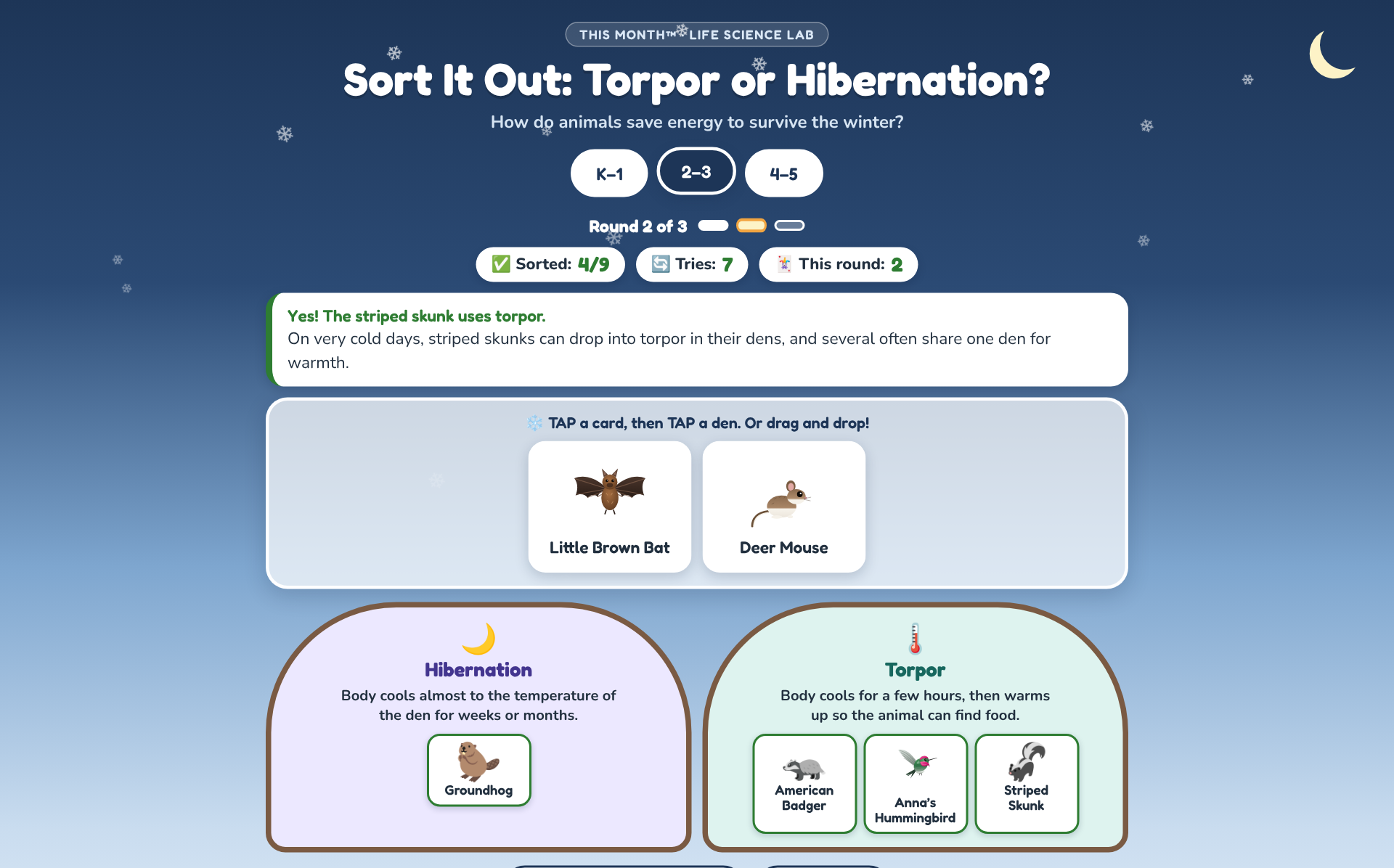 Preview
How this torpor vs hibernation game works
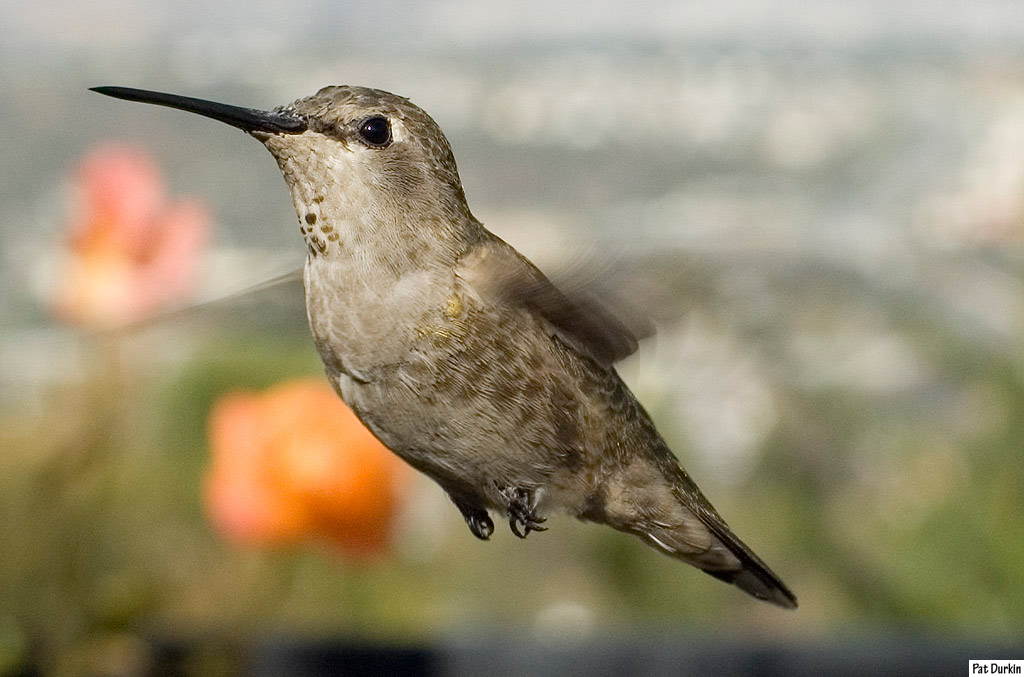
The game opens with a deck of flip cards. Children tap each card to see where that animal spends the winter and a fact about it, from the groundhog and the little brown bat to the common poorwill and Anna’s hummingbird. Then the sorting begins. Animals arrive a few at a time, and children drag each card into the Hibernation den or the Torpor den, or tap the card and then tap the den. A correct sort shares a winter fact about that animal. A wrong sort gets a hint about how long the animal stays cold, so children can think again and try the other den.
Practice for kindergarten through grade 5
Three levels match the science to what students are ready for:
- Grades K-1: six familiar animals in two short rounds, with simple den descriptions such as “cold and still all winter long” and short, friendly facts.
- Grades 2-3: all nine animals in three rounds, sorted by how long each one stays cold.
- Grades 4-5: all nine animals with more precise den descriptions, plus a bonus question after every correct sort that asks why an animal survives the way it does.
Hibernation and torpor, explained
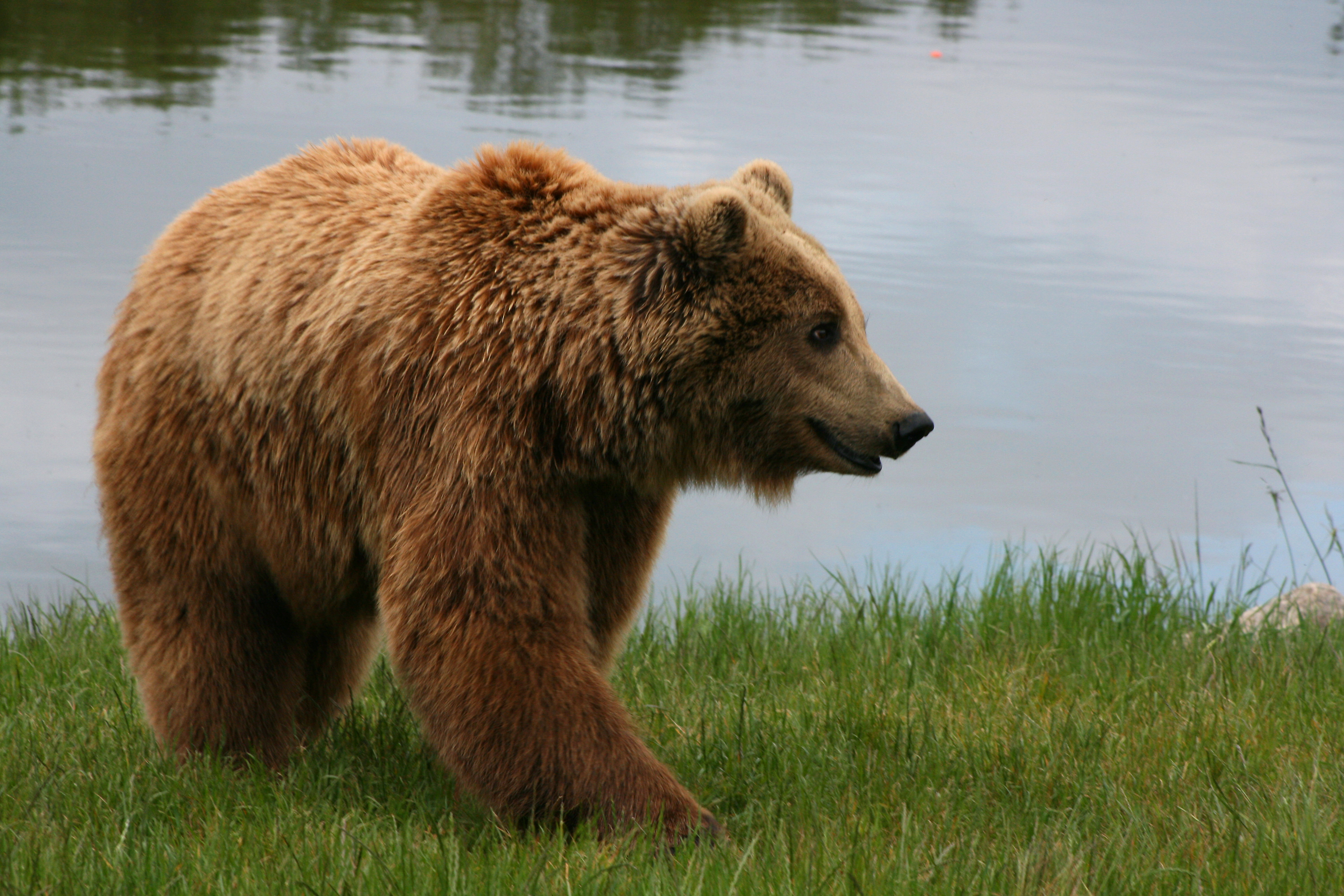
When food is scarce and the weather turns cold, some animals save energy by lowering their body temperature. Scientists call this torpor. Short torpor lasts a few hours, up to about a day, and then the animal warms back up to find food. Hibernation is torpor that goes long and deep: the body cools almost to the temperature of the den for days or weeks at a time, one bout after another, all winter long, while the animal lives on stored fat. A deer mouse cooling down on a cold afternoon is using torpor. A groundhog curled in its burrow from fall until spring is hibernating. The game also explains a few tricky cases, like black bears, raccoons and wood frogs, that scientists still discuss.
Standards and learning goals
Teachers can match this torpor vs hibernation game to their standards, listed inside the game for Georgia, North Carolina, New York, New Jersey and Michigan. The practice centers on how animal behaviors and adaptations help them survive changing seasons, sorting living things by their traits, and using science vocabulary with precision. Read more about the Next Generation Science Standards that New York, New Jersey and Michigan build on.
Printable receipts for families and teachers
When every animal is sorted, children get a completion receipt they can save or print. They choose their grade and state, and the receipt lists how each animal was sorted, which ones took another try, and the standards practiced. Children write their own name on the paper copy, so the game never asks for a name or collects anything personal. Teachers can scan the QR code on the receipt to read the results and copy them into a gradebook, and a skills check and space for teacher notes are built in.
Why hibernation, and why make it a game
Winter is when children start asking where the animals go. Many think every animal that disappears is “sleeping all winter,” but the real story is more interesting: some animals cool down for months, and others cool down for just a night. Sorting turns that question into reasoning. Children compare how long each animal stays cold, match it to a definition, and build a clear picture of hibernation and torpor they can carry outside.
Tips for playing at home or in class
Flip through the animal cards together before you start sorting, and ask: “Which animals do you think stay cold the longest?” At home, look for tracks on a winter walk and talk about which animals are still active. In class, students can vote “hibernation” or “torpor” before each card is placed, then read the winter fact aloud together.
How to play
To try the torpor vs hibernation game, choose Play Full Screen to open it in its own tab. It works on Chromebooks, tablets, phones and computers, and there is nothing to install. Pick a grade band on the first screen, flip through the animal cards, then tap Start Sorting.
More winter science to try
Pair this game with the Which Animals Hibernate? coloring printable for a hands-on follow-up. After this torpor vs hibernation game, families can keep the conversation going on their next winter walk by looking for signs of animals that are still active.