Native voices, Native newsrooms
Native communities were reported on for generations before they were reported by. That has changed. For Native American Heritage Month, meet ICT, a Native-led nonprofit newsroom, through this week’s newscast.
Then find more places to read, listen, and watch.
For teachers and grown-ups
Choosing a news source for children is an act of curation, and children tend to rely on trusted, familiar informants for much of what they learn (Harris, 2012), so a teacher who introduces a Native-led newsroom, and then talks about it with the class, may be modeling what it looks like to ask who is telling a story. The newscast also asks children to think beyond the here and now, since stories about a tribe returning to its homelands or a community getting out the vote involve people, places, and events that are not in the room. Conversation of that kind, sometimes called decontextualized talk, may support language and thinking (Wei, Harris, Snow, & Rowe, 2025). Prompts that invite rather than instruct, such as “Which story would you like to know more about?”, leave room for children’s own narratives, in line with the participatory-prompt work of Plotka and Wang (2016).
About twenty minutes in class
- Meet the newsroom, about 3 minutes. Read “Why this matters” together and ask what a newsroom is.
- Watch one segment, about 5 to 7 minutes. Choose from the segment guide, and adjust to the length of the segment you pick.
- Talk about it, about 8 minutes. Use the questions for your grade band.
- Send the family card home, or keep this page open for families to explore.
Preview before you share
- We have read ICT’s written descriptions of each segment, not watched the full newscast. Please watch the segment you plan to use before showing it to students.
- The newscast is republished exactly as ICT published it, so we cannot edit or remove any segment. The segment guide below helps you choose.
Privacy and links
- This page does not ask for names and does not save anything about you.
- The video is a privacy-enhanced YouTube embed (youtube-nocookie.com). YouTube says this mode does not store information about visitors unless they play the video, but your browser still contacts YouTube’s servers when the page loads.
- The republished newscast loads its pictures from ICT’s own website and includes a small counter image that ICT uses to count republications, so ICT’s servers receive a request when the page loads. Links to YouTube, ICT, and other sites leave this page.
- ICT’s newsletter sign-up asks for an email address. We suggest that teachers or grown-ups, not students, sign up.
Where the facts come from
The newscast text is ICT’s. The facts about the outlets come from each organization’s own pages and from the news reports listed in “Sources and credits” at the bottom of this page.
Why this matters
In the past decade, Native-led newsrooms have grown into outlets with confident editorial voices, in print, on the air, on screen, and online.
The wider news world has noticed. In February 2026 the Associated Press launched the Global Indigenous Reporting Network, which connects newsrooms with dedicated Indigenous coverage.
Funding looks different from one outlet to the next. ICT is a nonprofit supported by members, donors, and partners, and it shares its work freely so that others can pass it on. Many tribal media organizations are funded by their tribal governments.
This week’s ICT Newscast
In one broadcast, students meet a tribe returning to its homelands, a librarian reclaiming a historic beadwork style, and a photographer whose giant images appear in the desert.
Video not showing? Open the newscast on YouTube.
Republished from ICT with permission under a Creative Commons license. The text, images, and license line below appear exactly as ICT published them.
ICT NEWSCAST: Larger than life photos, combating diabetes and digging up the past
The ICT Newscast for Friday, November 20, covers a historic powwow, street art, beading, fashion and Diabetes. Check out the ICT Newscast on YouTube for this episode and more.
Stockbridge Munsee celebrates a homecoming
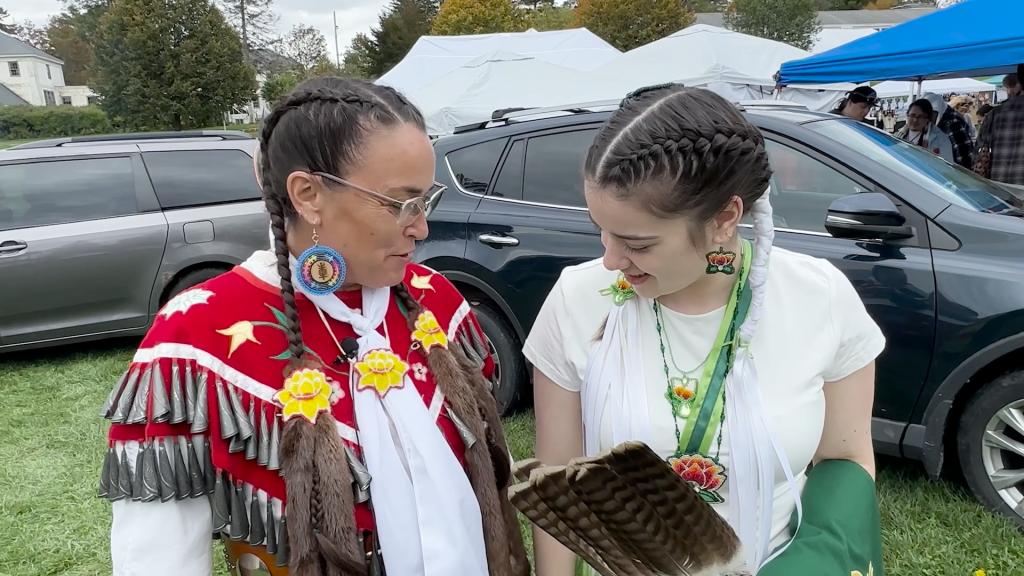
Tribal members return to their original homelands in Massachusetts to reconnect with traditional sacred lands.
MacArthur Fellow connects people and places
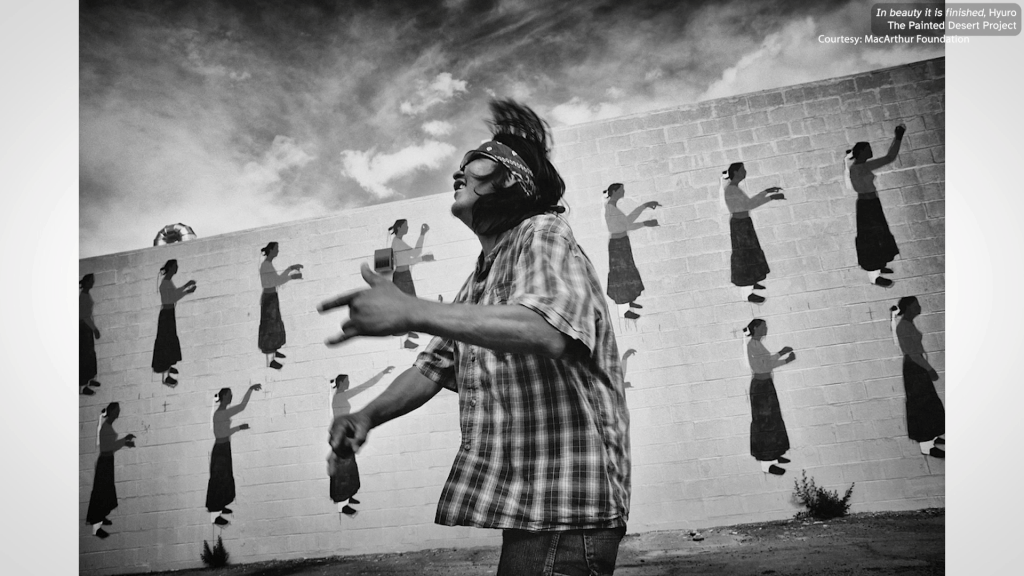
Chip Thomas, African-American and Lumbee, made his home on the Navajo Reservation to pursue a medical career. A neighbor gave Thomas his darkroom when he moved away. It started his career as a clandestine public artist, who shares his larger than life images in the desert.
Artist reclaims historic beadwork style
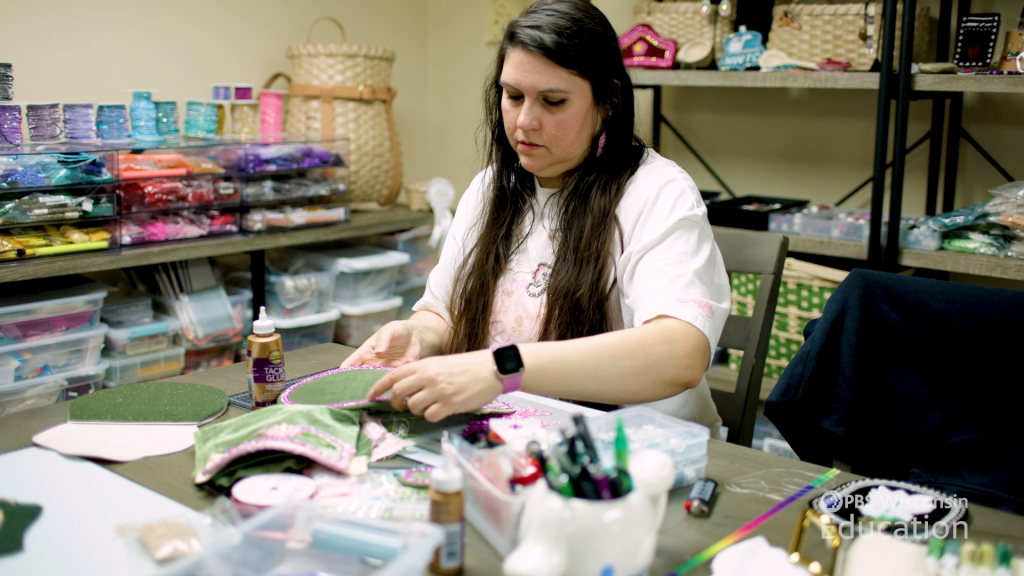
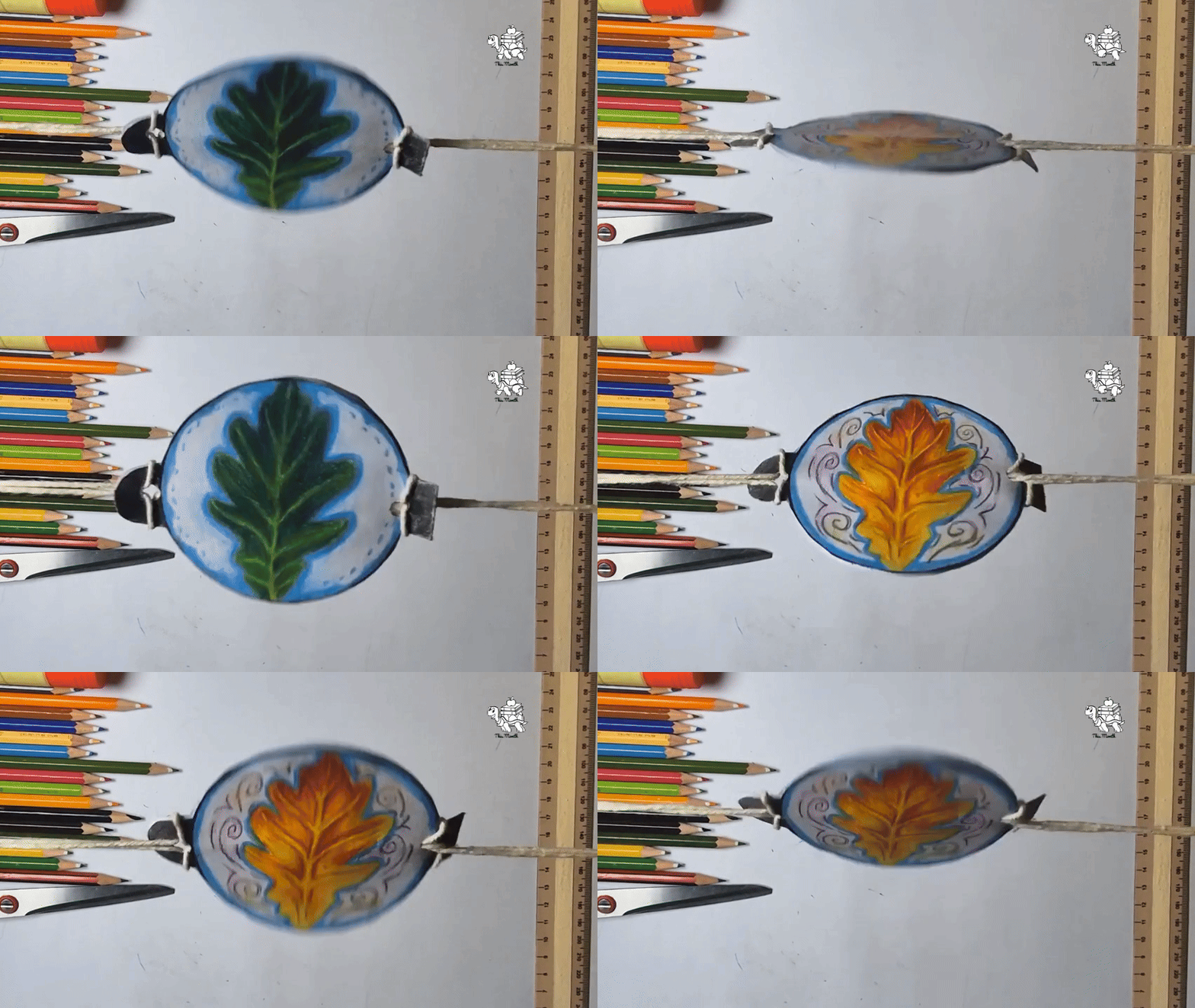
Eliza Skenandore, an Oneida from Wisconsin, is the director of the Oneida Community Library and a citizen of the Oneida Nation. Learn how she began doing raised beadwork and how it influences her work as a librarian, teacher, and community builder.
Native Vote Fashion Show highlights from Wisconsin
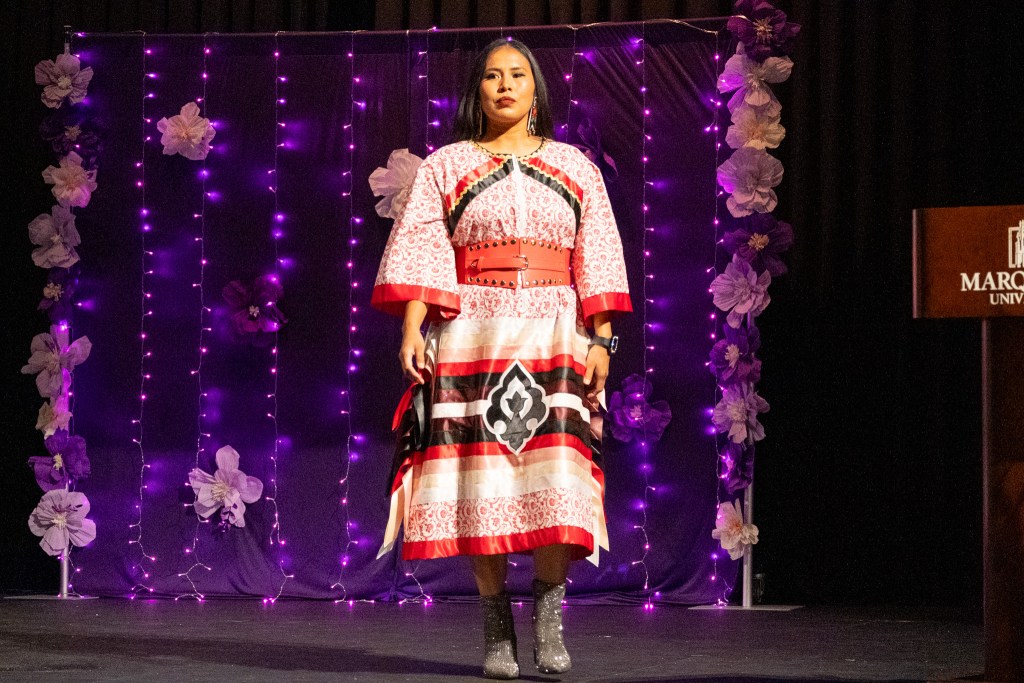
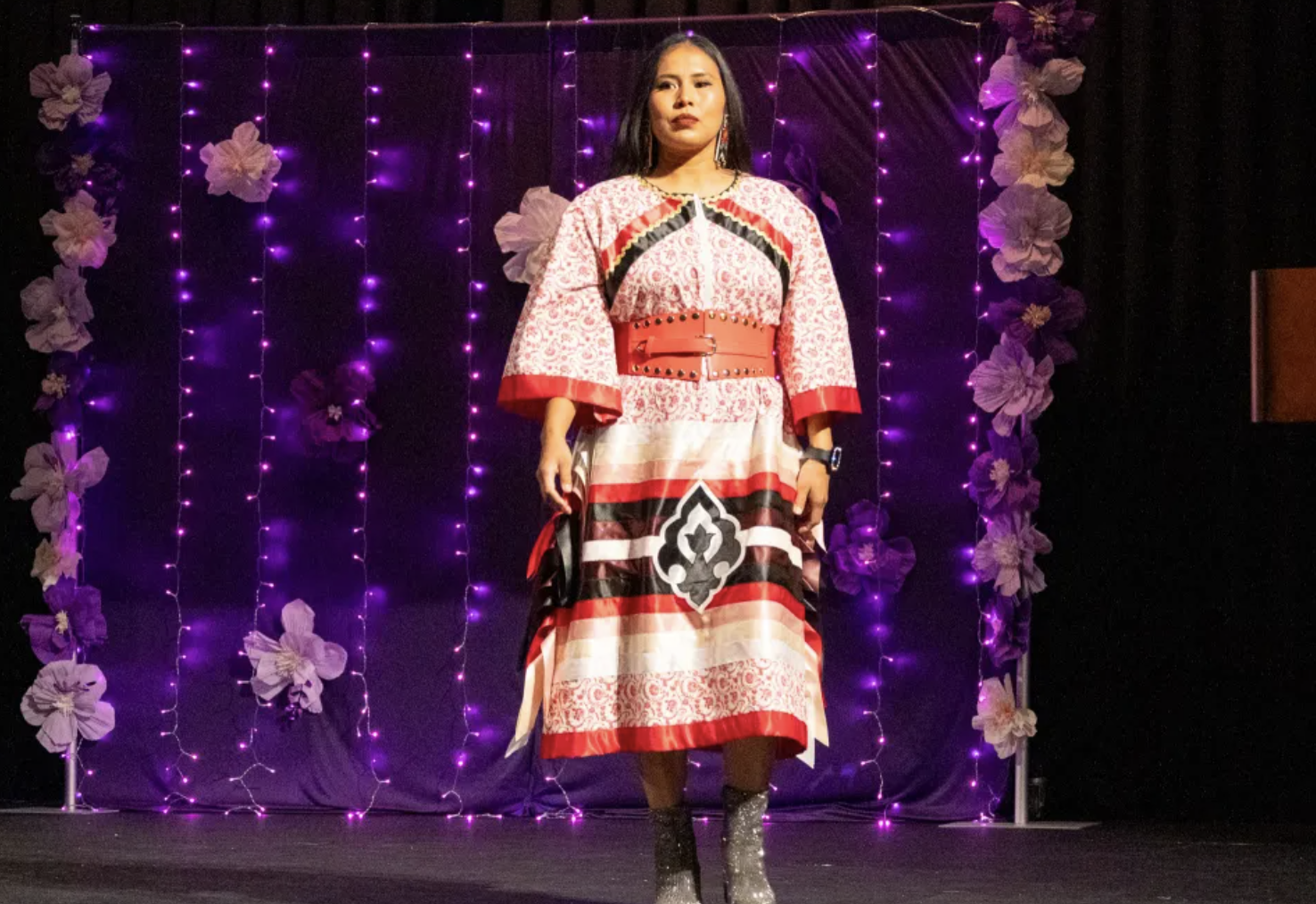
Wisconsin Native Vote held its first ever Get Out The Vote fashion show on Oct. 30. ICT attended and heard from organizers about the unique tie in between fashion and civic engagement.
Diabetes Awareness month: Using diet to reverse Type 2 diabetes
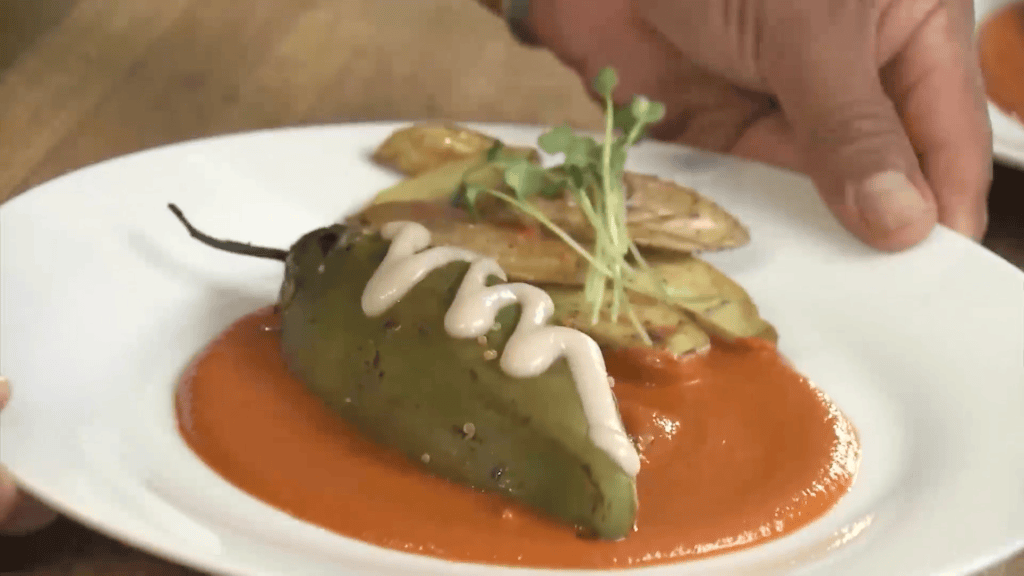
It’s no secret that American Indians and Alaska Native lead statistics in high rates of diabetes and obesity. A new survey from the Physicians Committee for Responsible Medicine suggests many have not heard about one of the most effective dietary approaches to prevent and even reverse Type Two diabetes. Dr. Josie Howard is a psychiatrist and part of the committee’s Native Food for Life Program.
Dakota DJ sets the stage
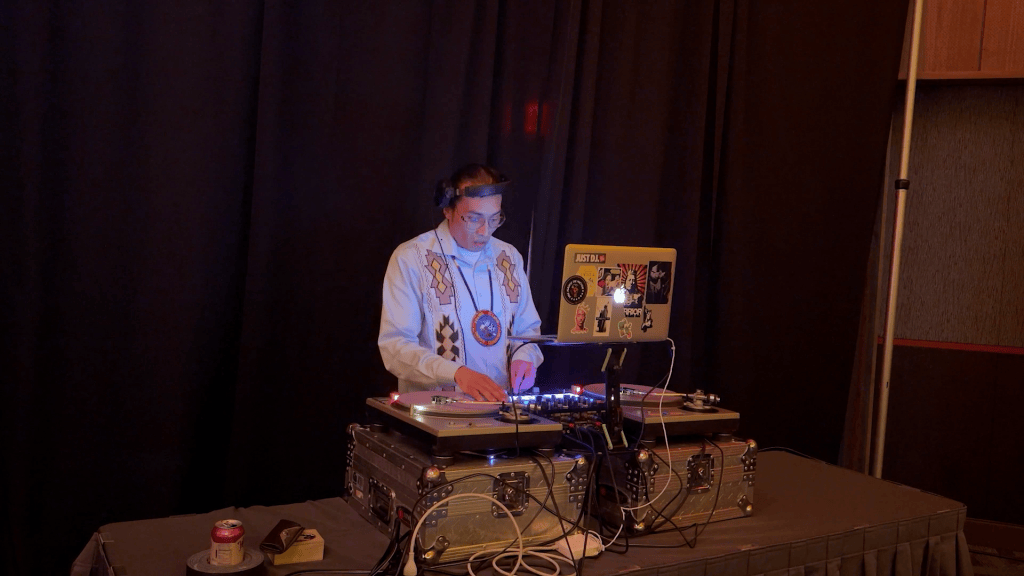
A good DJ makes all the difference at a fashion show. DJ AO, Austin Owen sets the beat. From weddings to community events, the Bdewakantunwan (Prairie Island) and Hopi recording artists becomes a chameleon with a turn table
View previous ICT broadcasts here every week for the latest news from around Indian Country.
This article first appeared on ICT and is republished here under a Creative Commons Attribution-NoDerivatives 4.0 International License. 
Choose a segment
You do not need to watch the whole newscast at once. Pick one story and talk about it together.
This guide is based on ICT’s written descriptions, so please preview each segment before you share it.
-
Stockbridge Munsee celebrates a homecoming
Grades 3 to 5: A good fit. Connects to homelands and place.
Middle school: A good fit. Ask why returning to a homeland matters.
-
MacArthur Fellow connects people and places
Grades 3 to 5: A good fit. Students can talk about public art.
Middle school: A good fit. Ask how art can connect people and places.
-
Artist reclaims historic beadwork style
Grades 3 to 5: A good fit. Links craft, libraries, and community.
Middle school: A good fit. Ask how one person can be a teacher and a community builder.
-
Native Vote Fashion Show highlights from Wisconsin
Grades 3 to 5: Works with a short explanation of voting and civic engagement.
Middle school: A strong civics link. Ask why a group would use fashion to encourage voting.
-
Diabetes Awareness month
Grades 3 to 5: Preview first, or skip.
Middle school: Preview first, and use with teacher guidance.
-
Dakota DJ sets the stage
Grades 3 to 5: A good fit.
Middle school: A good fit.
A note on the diabetes segment. It reports health statistics for American Indian and Alaska Native communities and a dietary claim from a survey by an advocacy organization. Health topics can be personal for some families, so preview it and decide whether it suits your class.
Watching together
- Preview the segment you plan to use.
- Watch it together.
- Ask who is telling the story, who is being heard, and what students would like to know more about.
- Look at ICT’s page to see where the story came from and who supports the newsroom.
Keep following
ICT is one of several places to follow Native news. Here is one way to read, listen, and watch.
Read: ICT
ICT, formerly Indian Country Today, is a division of IndiJ Public Media, a nonprofit headquartered in Phoenix, Arizona, and it reaches readers by article, newscast, social media, and live events.
It offers three free newsletters. The Weekly arrives on Thursdays as a briefing on what matters most in Indian Country. The Woodlands is monthly, with stories from Wisconsin, Illinois, Indiana, Iowa, Michigan, Minnesota, and Ohio. On the Powwow Trail is seasonal, covering powwow communities and events nationwide, with monthly reporting from powwow grounds during the season.
On the sign-up form all three are selected by default, so uncheck any you do not want.
Listen: Native radio
Two long-running programs come from Koahnic Broadcast Corporation, a nonprofit media center operating through Alaska Native governance. National Native News is a short daily newscast. Native America Calling invites listeners to join the conversation by phone, and it has received the National Humanities Medal.
Both programs share an email newsletter and offer podcast subscriptions for classes that miss the live broadcast.
ICT also has a weekly, half-hour national radio news program, the ICT Report, on Native Voice One. It began on September 7, 2026.
Watch: FNX
FNX, First Nations Experience, is a free television channel devoted to Native American and world Indigenous content. It reaches viewers through public television affiliates, so check your local listings.
If your local station does not carry it, FNX also has a streaming app that launched in April 2025.
Beyond the national outlets
These outlets are the visible part of a much larger picture. Tribal nations publish their own newspapers, and independent community papers serve Native readers in cities and on reservations. The tradition is long: the Cherokee Phoenix was founded in 1828 as the first Native American newspaper, and The Circle in Minneapolis carries it forward today as a quarterly magazine. Local outlets are also part of the international conversation, with Navajo Times and Osage News among the newsrooms that joined a Grist and Associated Press convening on Indigenous reporting collaborations.
A good next step is to find the newspaper or radio station connected to a particular tribal nation or region.
Talk about it
There are no wrong answers here. Younger children can draw or act out their ideas.
Grades 3 to 5
- Why might it matter who reports a story about a community?
- Which story in the newscast would you like to know more about, and what would you ask?
- How is a call-in radio show different from a newscast? What can a listener do in one that they cannot do in the other?
- What local newspaper, radio station, or community newsletter could you find for the place where you live?
Middle school
- Why might a news outlet tell its readers who funds it? What would you want to know before relying on it as a source?
- How do a newscast, a newsletter, and a call-in radio show each shape what a community can say and hear?
- Wisconsin Native Vote used a fashion show to encourage civic participation. What other creative ways could a community use to engage voters?
Look closer: middle school
Choose one of the outlets above and find how it is funded, using its own About page. Then discuss whether funding source could affect what gets reported, and what a reader should check before trusting any outlet.
Family card
Keep this page open on a phone, or print this page and take the card home.
Follow Native news together
This month, your child met ICT, a Native-led nonprofit newsroom, through a short newscast. Here are three ways to keep following Native news as a family.
Read
- ICT at ictnews.org. Its free newsletter, The Weekly, arrives on Thursdays. Signing up asks for an email address, so it is a family decision.
Listen
- National Native News, a short daily newscast, and Native America Calling, a call-in program. Both offer podcasts.
Watch
- The ICT Newscast on YouTube, and FNX on public television or its streaming app.
Talk together
- Which story from the newscast would you like to know more about?
- Why does it matter who tells a story about a community?
- Is there a local paper, station, or newsletter where we live that we could follow?