💡 The big idea
Labor Day is a holiday in September. It says thank you to people who work.
The word labor means work. Cooking is work. Driving a bus is work. Building a house is work. Teaching is work.
Looking after a baby all day is work. So is taking care of a grandparent who needs help every day. Even if the work is unpaid, it is still work, and it can fill a whole day.
In the 1800s, many people worked almost every day of the week. The days were long and the work was often dangerous.
So workers helped each other by asking for shorter days and safer work. Lots of people asking together is louder than one person asking alone.
They won some of what they asked for. Not all of it, and not for everybody.
You can see that on Labor Day itself. Lots of people get the day off. Lots of people do not. Someone is still driving the bus and stocking the shelves.
Labor Day is a day to think about all workers.
Something to notice
Some people work on Labor Day. Hospitals are open. Buses run. Some stores are open too.
Labor Day happens on the first Monday in September. It is a day to honor workers, and it started because workers asked for something.
The word labor means work. Every job is labor. So is work that is often unpaid, like raising a child full time or caring for a parent who can no longer manage alone. That work takes as much time and skill as a paid job, and often more hours.
In the 1830s, the average person working in a factory in the United States was there about 70 hours a week. Think about that next to a school week.
Workers wanted shorter days. But one worker asking a boss can be told no. So workers joined into groups called unions. A union lets many workers speak with one voice.
In 1882, workers in New York City held a parade and a picnic. That was the first Labor Day. Later, more and more places decided to make it a real holiday.
Workers did win shorter hours in a lot of jobs, but never in every job. The holiday itself shows this. Labor Day is a national holiday, and the 1894 law applied only to federal employees. No other employer is required to close, so many do not, and many people work that day.
Not everyone gets the day off
Labor Day is a national holiday, but that does not mean every place closes. Hospitals stay open. Buses keep running. Many stores are open. The law does not require any business to close, so each employer decides.
Labor Day is a national holiday on the first Monday in September. It did not begin as a picnic or a sale. It began as an argument about time.
In the 1830s, the average person working in manufacturing in the United States put in about 70 hours a week. Sixty years later, in 1890, that had dropped, but the average factory worker was still on the job about 60 hours a week.
Those figures describe factory work, which is only one part of the picture. Much of today's economy runs on service work: caring for people, cleaning, cooking, delivering, staffing a register.
An eight-hour day became a rule in many workplaces. It never became a rule everywhere, which is why Labor Day is a national holiday that a great many people still spend working. Today that includes both blue-collar and white-collar jobs.
Some work today is arranged through apps, like driving, delivering, or picking up small jobs. People doing that work are usually counted as independent contractors rather than employees, and most of the protections workers won over the years are attached to being an employee.
And a great deal of work never appears in figures like these at all, because it is unpaid: raising children, caring for a sick or elderly family member, running a household.
That change did not happen on its own. Workers pushed for it. One worker asking for shorter hours can be told no and sent home. Thousands asking together are harder to ignore. So workers formed unions, and unions worked to win a shorter day.
Out of that came a campaign for an eight-hour workday. Behind it sat a big idea, and organizers said it plainly: an employer might own the factory and pay for the work, but that did not mean owning the worker's whole life.
In the 1800s, though, American unions were small and scattered. Organizers wanted a way to bring different kinds of workers into the same place, so a carpenter and a machinist and a printer could meet and see they wanted the same things. A parade and a picnic turned out to work well for that.
A common mix-up worth clearing up
People often assume that because Labor Day is a national holiday, everybody gets the day off. That is not how it works. The 1894 federal law made the holiday apply to federal employees. Each state decides its own legal holidays, and even an official holiday does not require a private business to close.
That is why many stores are open, and why parks, buses, and hospitals keep running. As late as the 1930s, unions were still telling workers to strike for the day if their employer would not grant it.
Labor Day looks like the end of summer. It started as something sharper: a national argument over who controls a worker's day.
Around the time the holiday was founded, American workers commonly labored ten or more hours a day, six days a week. In the 1830s the average manufacturing worker was on the job roughly 70 hours a week; by 1890 that had fallen only to about 60.
The campaign for an eight-hour workday rested on a claim about ownership. Employers might own the workplace and pay for the work, the argument went, but they did not own the worker's life. After the Civil War this drew directly on a common reading of emancipation: that what an employer purchased was labor, not a person's hours and days.
Why hours, and not wages?
The choice of demand was strategic, and it repays attention. Wages varied enormously between trades, which divided workers from each other. Hours, by contrast, tended to be roughly uniform inside a given workplace. A demand for a shorter day without a pay cut could therefore appeal to almost any wage earner, regardless of trade, pay, or where they were born.
That is what made it possible to hold together a genuinely unlikely coalition: skilled native-born craft workers defending control of their trades, immigrant laborers seeking relief from long days, and anarchists who saw a shorter workday as one step toward much larger changes in who owned and ran the workplaces.
Two holidays, one root
Most of the world marks International Workers' Day on May 1st. The United States and Canada mark Labor Day on the first Monday in September. The two are usually described as opposites.
They grew from the same soil. Both emerged in the 1880s out of the same campaign for a shorter workday, and both were shaped by the same coalition. They separated afterward, and each side of a dividing labor movement claimed one date.
The economic arguments on both sides
Shorter hours did not come only from pressure. Some politicians and business owners supported more time off for a practical reason: a worker with no free time cannot spend wages on travel, entertainment, or dining out. As the economy grew past farming and basic manufacturing, businesses needed customers. Shortening the week was one way of turning the working class into a consuming class.
Labor leaders made an overlapping case. Shorter hours would force employers to hire more people, creating jobs and pushing hourly pay up. Less time on the job would also leave room for education, organization, and political action, which is a different kind of argument entirely.
The movement's reach extended past the day to the year and the lifetime: efforts to end child labor and to create pensions for retired workers were part of the same struggle over how much of a life belongs to an employer.
🕗 How it happened, in order
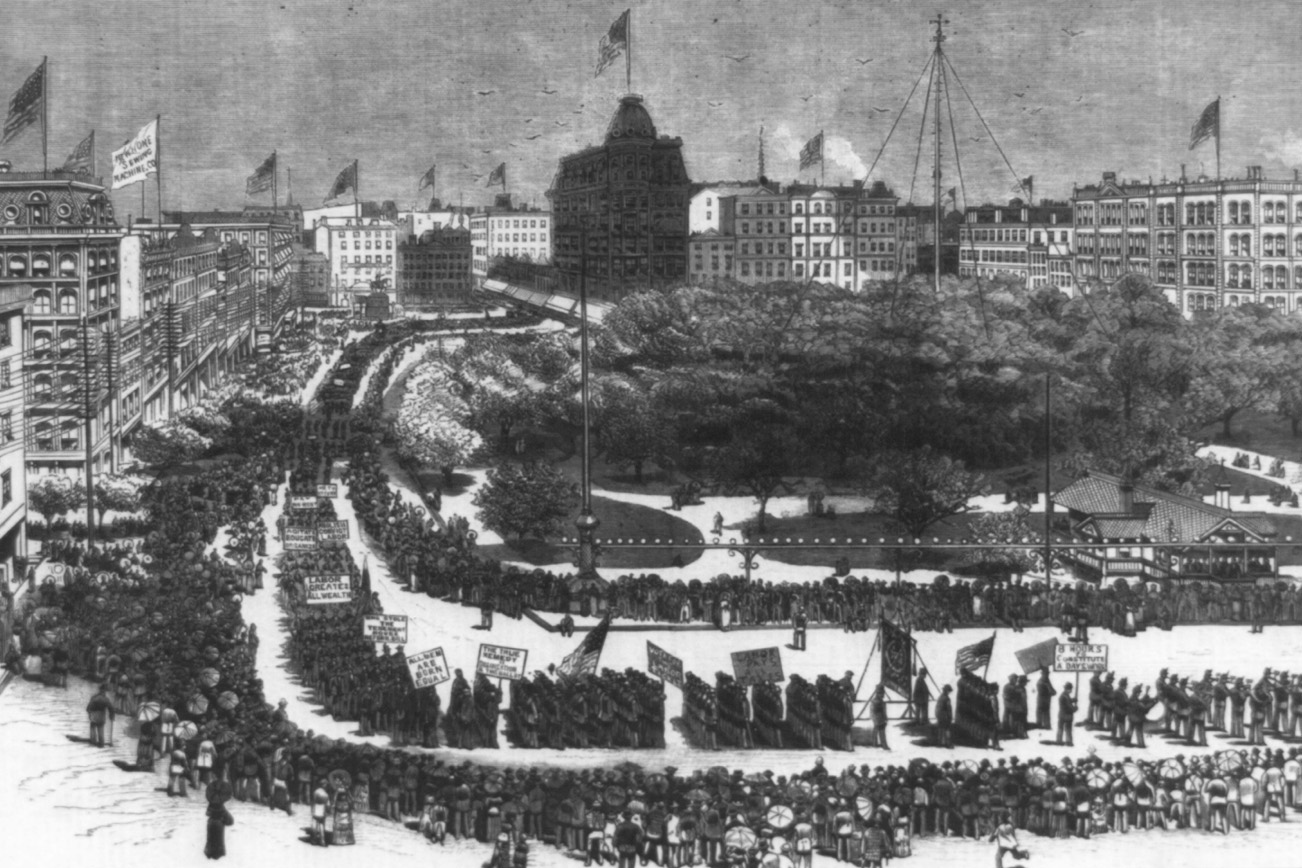
Two holidays run through this sequence. Watch how they share a root and then separate.
👷 Who this day is about
These are some of the people in the story of how Labor Day began. Flip a card to meet them.
 Flip
Flip
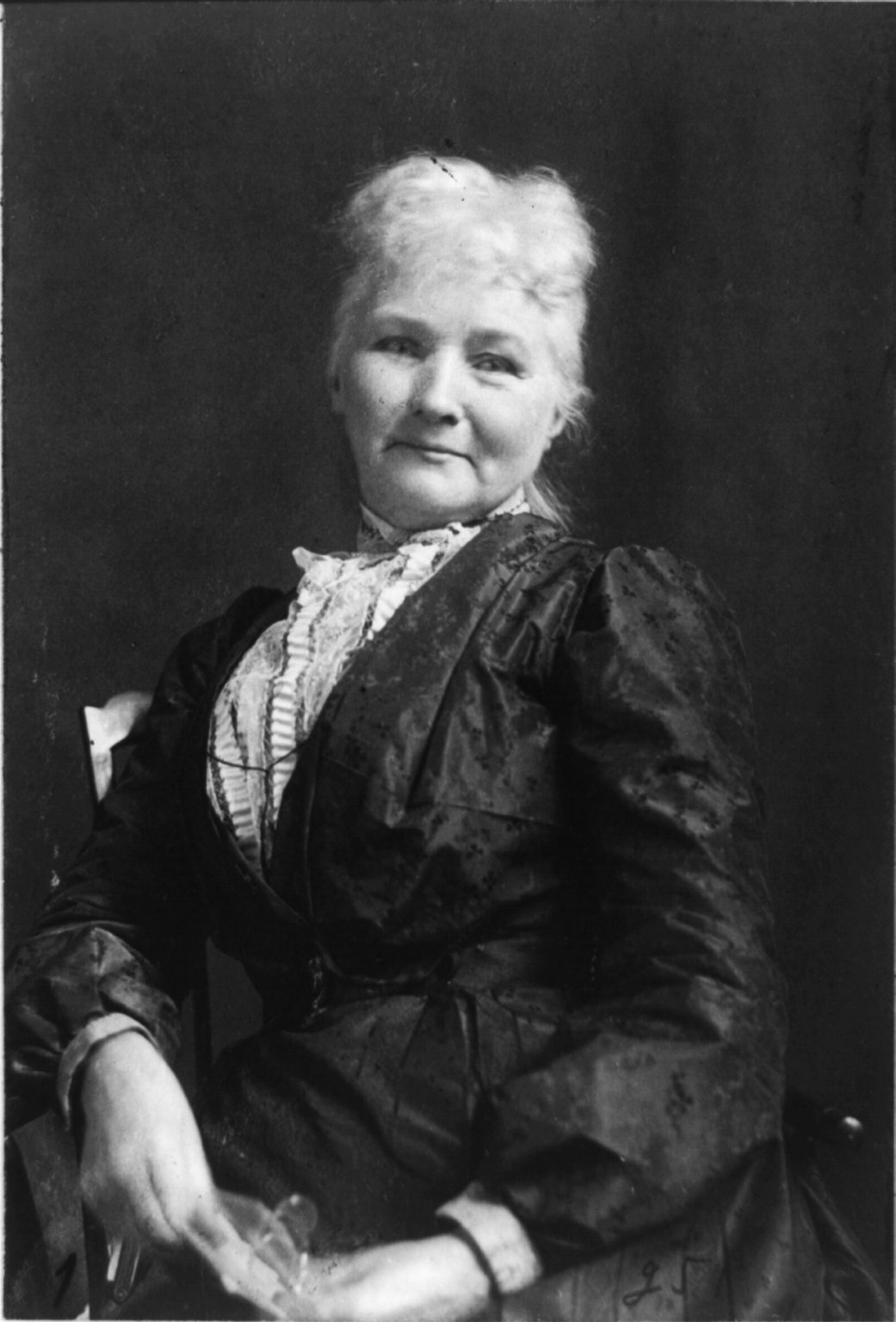
In 1903 she led a march of children who worked in mills. They set out from Philadelphia and walked toward New York, so that people along the way would see how young the workers were. She spent her long life helping workers, and she worked hard to get children out of factories and into school.
 Flip
Flip
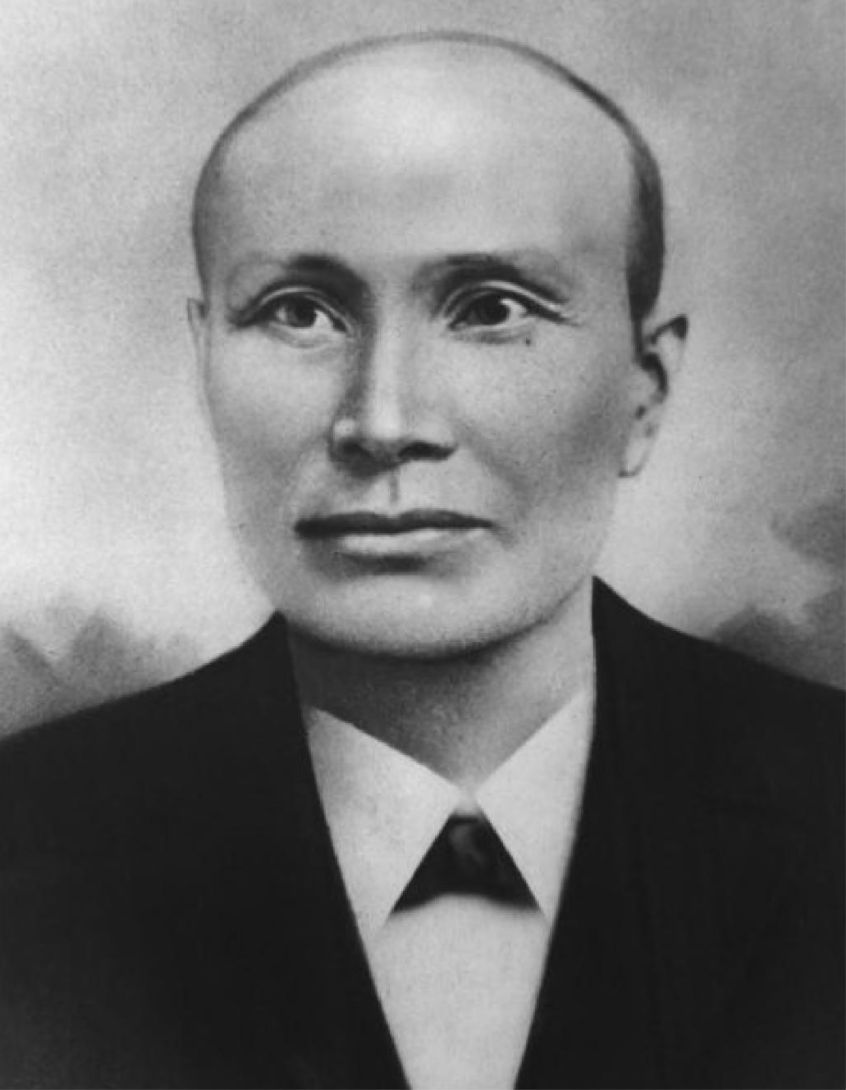
He came from China and helped build a railroad through high, snowy mountains. He was the boss of many workers. Back then there were unfair rules about what Chinese workers were allowed to own, so he could only buy mines other people had given up on.
 Flip
Flip
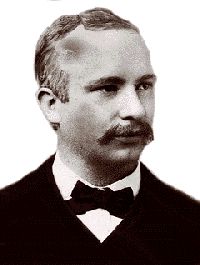
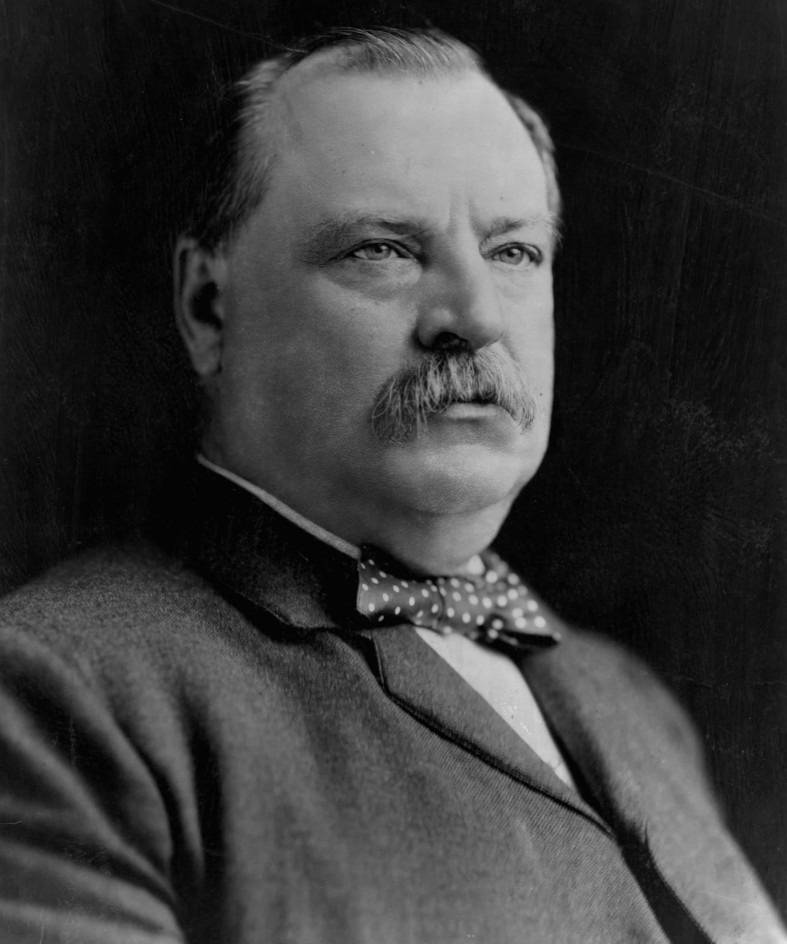
He built things out of wood for a living. He is the person who may have had the idea for Labor Day: a day just for working people, with a parade down the street and a picnic afterward.
 Flip
Flip
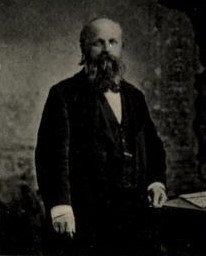
He was the president of the United States. In 1894 he signed a paper that made Labor Day a holiday for the whole country. He picked the day in September because he thought it was the safer choice.
 Flip
Flip
When he was nineteen he was learning to fix machines. He worked twelve hours a day. He said that was too long, and his boss fired him for saying it. He spent the rest of his life telling people that eight hours was enough.
 Flip
Flip
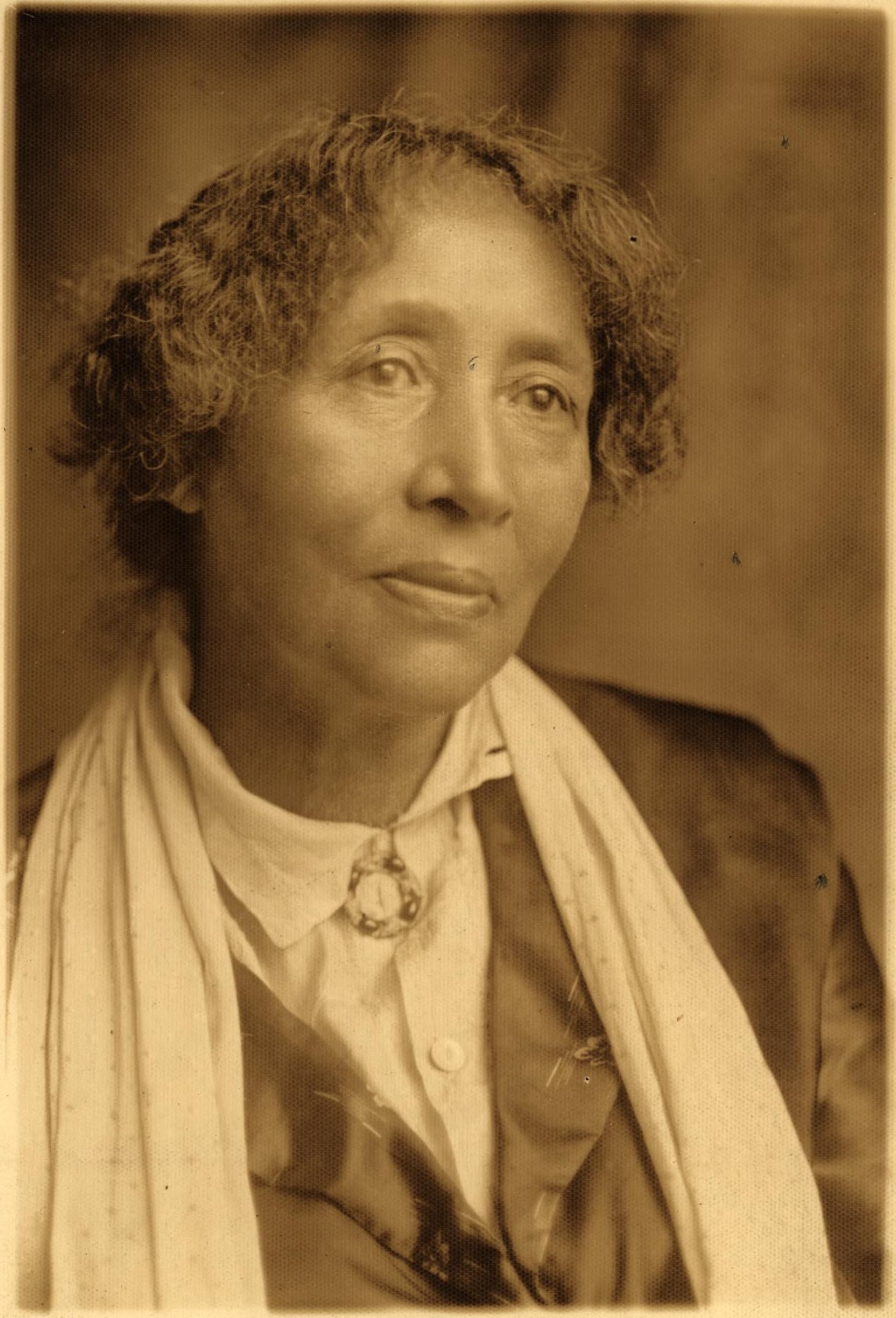
She sewed clothes for a living in Chicago. She helped bring together the women who sewed and cleaned and cooked, because no one else was helping them. Some people said unkind things about her and told her to be quiet. She kept speaking for the rest of her life.
The first Labor Day was a strike
In 1882, workers in New York City wanted a day of their own. No boss said yes. So they stopped working anyway and marched together through the streets.
They did not get paid for that day. They went anyway.
- Look at the cards. What is one thing these people all did?
- The marchers were not paid for the day they marched. What are some reasons a person might do that?
And the workers around you now
Labor Day says thank you to workers. Workers are all around you. Flip a card to learn what each worker does.
All of these are labor. Work at home is labor too, like making dinner and taking care of a baby.
- Pick one job from these cards. What would be different if nobody did it?
These are some of the people in the story of how Labor Day began. Some of them worked for other workers their whole lives. One of them was a president. Flip a card to meet them.
Flip
She came to North America from Ireland as a child and worked as a teacher and a dressmaker. In 1903 she led a march of child mill workers from Philadelphia toward New York, to make the public see how young the workers were. She joined the Knights of Labor and spent fifty years organizing workers and fighting to get children out of the mills.
Flip
He led crews of Chinese workers building a railroad through the Sierra Nevada mountains. About 12,000 Chinese workers built that railroad. Later, in Colorado, the law would not let Chinese miners claim their own mines, so he could only buy ones that other companies had abandoned.
Flip
A carpenter who helped start a union for carpenters. He said he was the one who suggested a holiday for working people, with a parade to show how many of them there were, and a picnic after.
Flip
He was not a worker or a union leader. In 1894 he signed the law that made Labor Day a national holiday. He chose the September date on purpose, because he thought it would cause less trouble than the other date workers used, May 1st.
 Flip
Flip
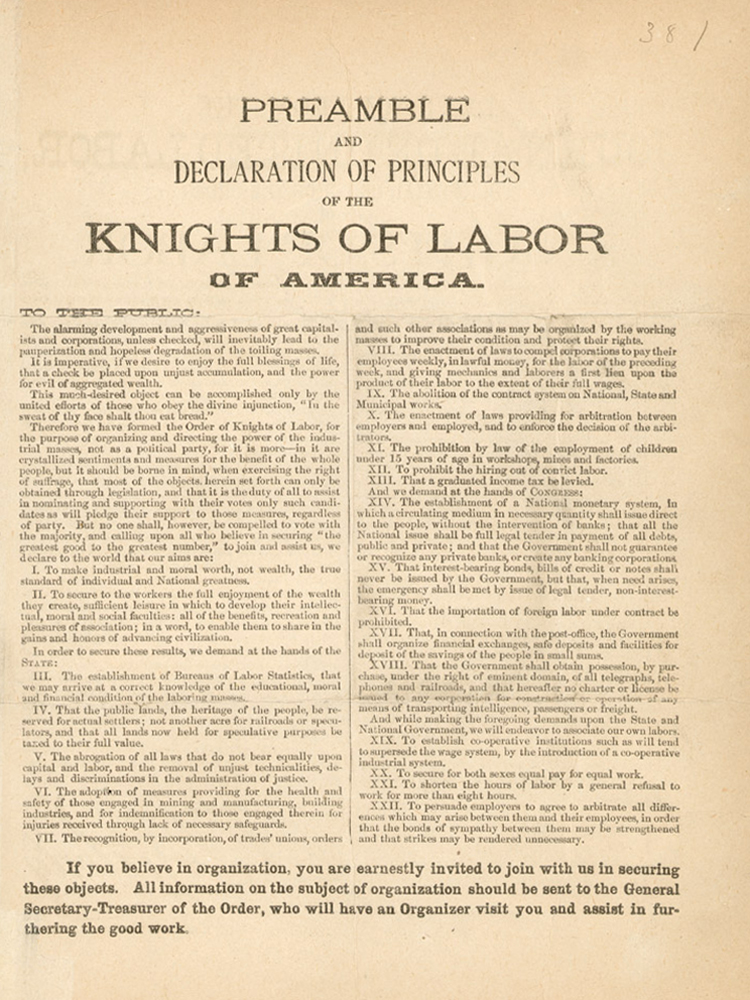
The largest group of workers in the country back then. They let in people other groups turned away, including Black workers and women. But that welcome did not reach everyone. They would not let Chinese workers join, and they backed the law that kept them out.
Flip
At nineteen he was training as a machinist and working twelve hours a day. He said twelve hours was too long, and his employer fired him for it. He spent the rest of his life on one idea: the workday should be eight hours, and it should be written into law so no boss could ignore it.
Flip
A seamstress in Chicago who organized the workers other unions ignored: the women who sewed, cleaned and cooked for a living. She helped start a group that asked for equal pay for equal work. People argued in public about her race and used it to say she should not be listened to. She kept speaking for another fifty years.
The first Labor Day was a strike
Here is a strange thing about the first Labor Day in 1882. No boss agreed to give anyone the day off. So the workers who wanted to march had to stop working without permission. That is called a strike.
The people at that first celebration gave up a day of pay to be there.
- The first marchers gave up a day of pay to be there. What are some reasons a person might do that?
- Ira Steward lost his job for saying that twelve hours was too long. Lucy Parsons was told to be quiet. Both of them kept going anyway. What do you think keeps a person going after something like that?
- Earlier you read that workers are stronger when more of them join together. The Knights of Labor still kept some workers out. Do you think that made the Knights stronger or weaker? Why?
And the workers around you now
Labor Day honors workers. Flip a card to see what each worker does and what would change without them.
- Pick one job from these cards. What would be different in your town if nobody did it?
- Which of these jobs do you think people do on Labor Day itself?
These are some of the people the fight for shorter hours pulled in, and one who signed the holiday into law to calm things down. Flip a card to find out what brought each of them to it. Two of them have almost the same name, and we still do not know which one thought of the holiday first.
Flip
A carpenter who built his own union in New York City. He wanted a holiday that would put working people out in the street where the public had to look at them, and show how strong their organizations were. He said he picked early September because it sat about midway between the Fourth of July and Thanksgiving.
 Flip
Flip
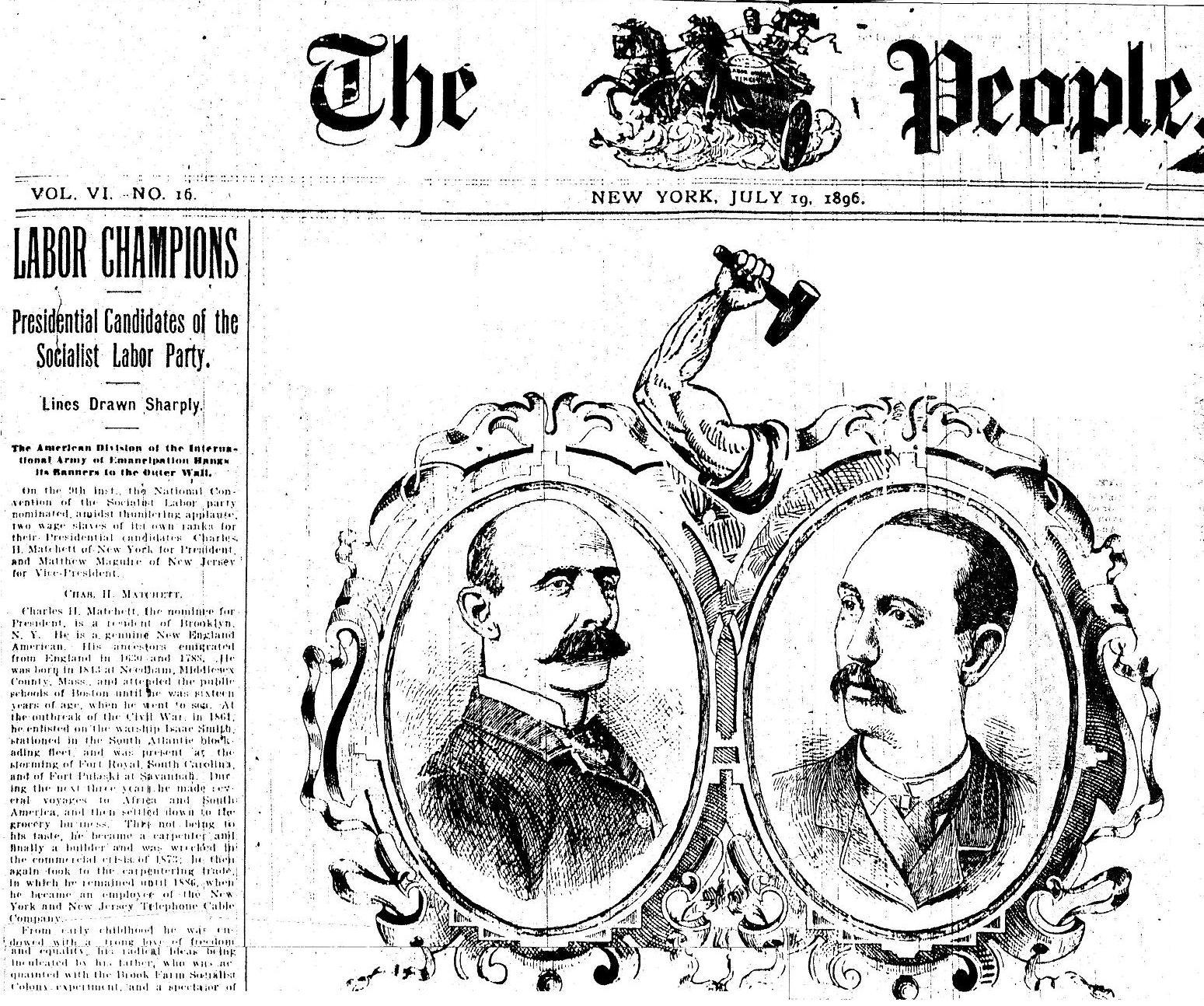
A machinist, and secretary of the group that actually ran the first parade. His politics were far to the left of most union leaders, and years later he ran for vice president on a socialist ticket. Historians think that is why he lost the credit for Labor Day to the more moderate McGuire.
Flip
He was not a labor organizer. He signed Labor Day into law in 1894, days after federal troops had broken a huge railroad strike. A September holiday of parades and picnics looked to him like the safer choice, and far better than workers marking May 1st instead.
Flip
She came from County Cork to North America as a child and worked as a teacher, then as a dressmaker until the Great Chicago Fire of 1871 burned her shop to the ground. She found her way to a Knights of Labor meeting and spent the next fifty years organizing. In 1903 she led a march of child mill workers from Philadelphia toward New York so the public would have to look at them. A government lawyer once called her the most dangerous woman in America.
Flip
He left southern China in the 1850s and became a foreman for the Central Pacific Railroad, leading crews of Chinese workers blasting a route through the Sierra Nevada. Around 12,000 Chinese workers built that railroad. Later, in Colorado, he could only buy mines that white companies had given up, because the law would not let Chinese miners claim their own. In 1882, the same year as the first Labor Day parade, Congress passed a law barring Chinese workers from entering the country at all.
Flip
The largest and broadest association of American workers at the time, and the reason the first Labor Day fell when it did: the parade was set for the week the Knights gathered in New York. It took in trades other unions turned away, and admitted Black workers and women when few unions would. That welcome did not reach everyone, though. The Knights would not accept Chinese workers, and supported the law that kept them out.
Flip
At nineteen he was learning to be a machinist, working twelve hours a day. Within a year his employer fired him for saying that twelve hours was too long. He spent the rest of his life on one idea: eight hours. He argued that no single worker could shorten their own day without being undercut by someone else, so the limit had to be written into law.
Flip
A seamstress in Chicago who organized the workers nobody else would: women who sewed, cleaned and cooked for a living. She helped start the Working Women’s Union, which called for equal pay for equal work. Her husband Albert was executed after the Haymarket bombing. People argued in public about her race and used it to dismiss what she said. She kept speaking anyway, for another fifty years.
Why the first parade required a strike
The organizers ran into a problem. No government and no company recognized the first Monday in September as a day off, so anyone who marched would be marching on a workday.
Their solution was to call a one-day strike in the city. Everyone on strike was expected to march and then head to a large picnic. The very first Labor Day celebration was, in practical terms, a day of lost wages for the people celebrating.
- Organizers wanted workers from different jobs to meet in person. What can a parade and a picnic do that a letter or a posted notice cannot?
- Historians still disagree about who first proposed Labor Day. What kinds of evidence would help settle a question like that, and what might make it impossible to settle?
- The first marchers gave up a day's pay to attend. What does that suggest, if anything, about what the day meant to them?
A shorter workday was a demand almost any wage earner could sign on to, which is why the movement gathered such different people: craft unionists protecting their trades, immigrant laborers worn down by ten-hour days, radicals who wanted changes far larger than shorter hours, and eventually a president who saw a September picnic as the safer alternative. Flip a card for what drew each of them in, and notice who the movement later pushed aside.
Flip
A carpenter who founded the New York City Brotherhood of Carpenters and Joiners and rose to vice president of a national federation of trades. He wanted a day that would, in his words, show "the strength and esprit de corps of the trade and labor organizations." The claim that he proposed it rests on his own account.
Flip
Secretary of the Central Labor Union, which staged the 1882 parade. In 1896 he ran for vice president on the Socialist Labor Party ticket. Historians writing in the 1970s argued he was the real founder, and that the credit went to the more moderate McGuire precisely because Maguire was thought too radical.
Flip
His interest was in containing the labor movement, not advancing it. He signed the bill on June 28th, 1894, just after the Pullman Strike. He had backed the September date since 1887 as the less inflammatory option, worried that a May 1st holiday would become a commemoration of Haymarket and strengthen socialists and anarchists.
Flip
Irish-born, she ran a dressmaking business until the Great Chicago Fire destroyed it in 1871, then organized for half a century. In 1903 she led the March of the Mill Children from Philadelphia toward Roosevelt’s summer home to force child labor onto the public agenda. She also broke with the Knights of Labor: when its leadership declined to protest the Haymarket trial, she judged the organization had failed the movement, and left. A federal attorney called her the most dangerous woman in America.
Flip
A foreman for the Central Pacific at Donner Pass, leading part of a Chinese workforce of some 12,000, and later a foreman and mine operator in Colorado. Western territories barred Chinese miners from filing their own claims, so he could work only the ground white operations had abandoned. On May 6th, 1882, four months before the first Labor Day parade, the Chinese Exclusion Act became law, the first federal statute barring a specific national group. Organized labor was among its strongest advocates.
Flip
The broadest association of American workers when Labor Day began, and the reason the first parade fell on September 5th, 1882. Its members also turned out for the May 1886 general strike, putting the same organization on both sides of the split that later divided the holidays. Its openness went further than most unions of the day, though not as far as everyone. It admitted Black workers and women, but not Chinese workers, and it supported their exclusion by law.
 Flip
Flip
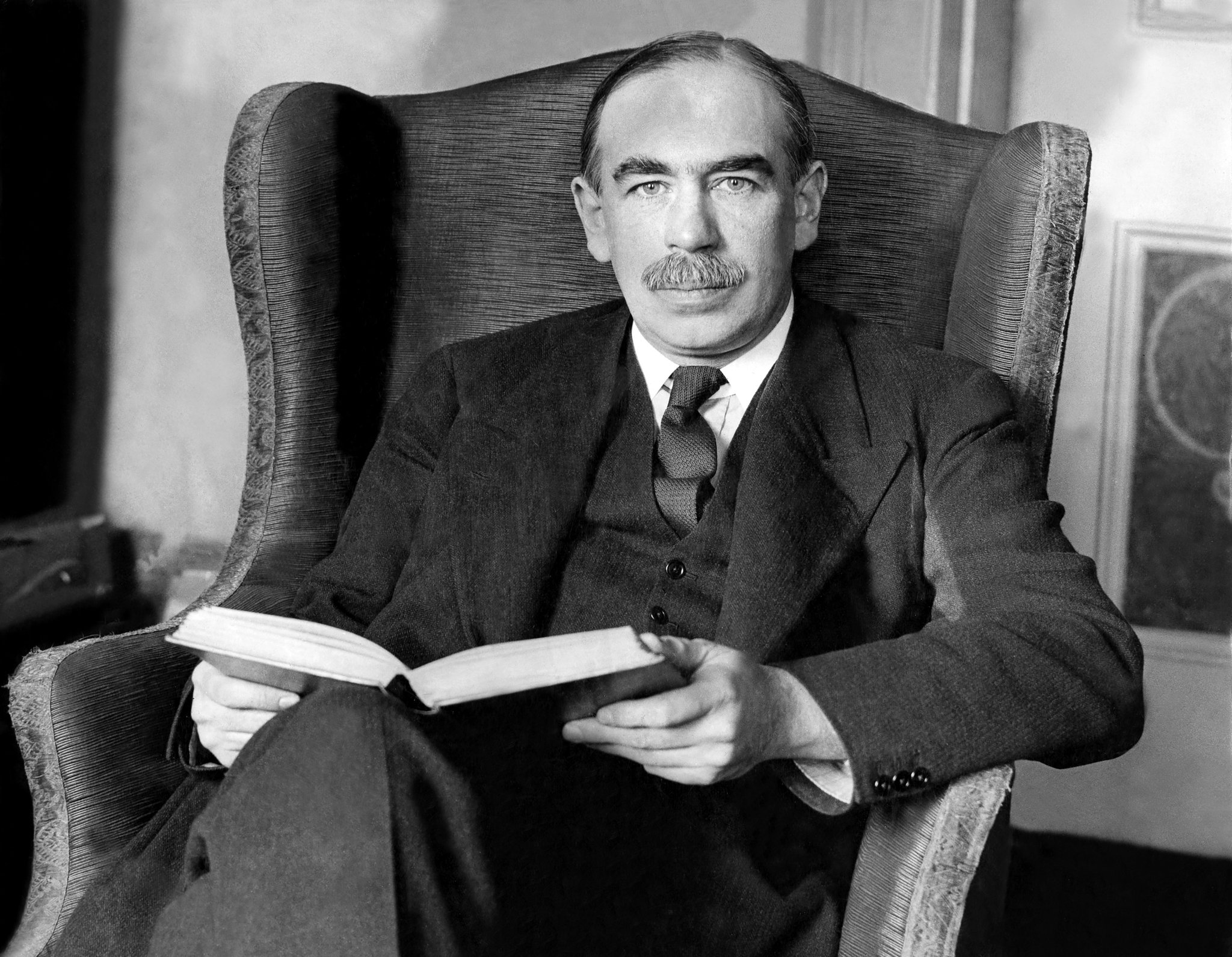
He never organized anyone. He matters here because of a forecast: when the eight-hour day and forty-hour week became federal law in the 1930s, he expected rising output per hour to leave twenty-first century workers with a three-hour day. Output per hour did keep rising. The workday stopped shrinking.
Flip
The theorist the eight-hour day belongs to. Apprenticed as a machinist under the twelve-hour system and dismissed within a year for agitating against it. In 1863 he pushed through the first union resolution demanding an eight-hour law, and later led the Grand Eight Hour League of Massachusetts. His argument was structural: a lone worker or a lone employer could not cut hours without being undercut, so only a legal limit would force a general readjustment.
Flip
She organized the workers the craft unions had no interest in: seamstresses, domestic servants, women doing piecework at home. With Lizzie Swank she founded the Chicago Working Women’s Union, which demanded equal pay for equal work. Her husband Albert was hanged after Haymarket. Her ancestry was publicly disputed and used to discredit her politics; she claimed Mexican and Muscogee Creek descent, while other accounts describe her as born to an enslaved woman. She was still organizing in the 1930s.
Evaluating the founding claim
The two accounts do not simply sit side by side. They rest on different kinds of evidence, and the sources behind this guide do not fully agree about which account came first.
One is McGuire’s own recollection of what he proposed. The other is a reconstruction by historians working roughly ninety years later. The earliest published history crediting McGuire is itself late, appearing only in the mid-1930s. First-person memory is close to the event but belongs to an interested party. Later scholarship has distance and a wider record but is reasoning backward from fragments.
There is also a third claim layered on top: that credit was assigned to McGuire because Maguire was seen as too radical. That is a claim about motive, and it needs a different kind of evidence again.
- One account is a memoir by the person claiming credit; the other is a later reconstruction. What are the strengths and limits of each kind of source?
- The claim that Maguire was passed over for being too radical is a claim about motive. What evidence could support or undercut it, and how does that differ from evidence about what happened?
- Cleveland's support for September is documented alongside his concern about what May 1st would come to represent. How should a historian handle a decision that has both a stated reason and a political one?
- Keynes expected productivity gains to shorten the workday. Productivity rose; hours did not fall. What are some possible explanations, and how would you test them?
📚 Words to know
The most important word here is labor. It means work. Every job people do is labor.
Flip each card to see what the word means.
Flip each card to see what the word means.
Flip each card to see what the word means.
📆 Labor Day now
Today, Labor Day is at the end of summer. Many families have a cookout or go to a parade.
It is also close to the first day of school.
It is not a day off for everyone. Hospitals are open. Buses run. Many stores are open. While some families are at a picnic, other people are at work.
Try this
On Labor Day, look for one person who is working. Maybe a driver, or someone at a shop, or someone cleaning up.
Then think of one person whose work helped you today. Say thank you if you can.
Labor Day is often called the unofficial end of summer. Many fall activities, like school and football, start around it.
School calendars are tied to it. Some schools start the week before Labor Day. Others start the Tuesday right after.
There used to be a clothing rule that said no wearing white after Labor Day. It came partly from wealthy families in the 1800s returning from their summer homes and changing out of summer clothes. Hardly anyone follows it now.
- Labor Day started with parades about work. Today many people think about cookouts and shopping. What might explain that change?
- Some stores stay open on Labor Day and some close. If you owned a store, how would you decide?
Labor Day is often called the unofficial end of summer, because it marks the close of the nominal summer season in United States culture. Fall activities like school and football tend to start around it.
School calendars are tangled up with the holiday. Many districts resume classes around Labor Day weekend. Some start the week before, making Labor Day weekend the first three-day weekend of the year. Others start the Tuesday right after.
It has also become a major shopping weekend, especially for back-to-school sales. Some retailers describe it as one of the biggest sale dates of the year, second only to the Christmas season's Black Friday.
Cities still hold parades, and the largest Labor Day event in the country is not about labor at all. In Brooklyn, the West Indian American Day Carnival fills Eastern Parkway, running from Utica Avenue to Grand Army Plaza and drawing crowds counted in the millions. In Washington, there is a free Labor Day concert at the Capitol featuring the National Symphony Orchestra.
The carnival has its own history of people making a celebration for themselves. Caribbean immigrants held Carnival costume parties in Harlem in the 1920s and 1930s. The Harlem parade permit was revoked in 1964, and five years later a committee led by Carlos Lezama, a Trinidadian immigrant, secured a permit for Eastern Parkway instead. That committee became the West Indian American Day Carnival Association, which still runs it. The day begins before dawn with J'Ouvert, and the main parade follows later in the morning.
Where the white-clothing rule came from
Labor Day was once treated as the last day it was acceptable to wear white or seersucker. The tradition traces in part to wealthy nineteenth-century New Yorkers returning from summer homes in Newport and changing out of summer clothes. In the 2020s, plenty of people have decided white is fine year-round.
- The founders wanted a day that showed the strength of labor organizations. Today it is largely about cookouts and sales. What accounts for a shift like that, and who benefits from it?
- The 1894 law left it to each employer to decide whether to close. Would the holiday work better if the law required closing? Who would that help, and who might it hurt?
Historians of the period describe two things happening to Labor Day at once: it became mainstream, and it became less militant. Those two went together.
After Haymarket, the coalition that built both holidays came apart. Radicals and reformers, factory operatives and skilled artisans, native-born and immigrant workers had been held together largely by the eight-hour demand. As leaders in the American Federation of Labor parted ways with socialists and anarchists, each side claimed one of the two labor days, and the holidays came to look opposed rather than related.
The holiday also picked up uses its founders never planned. Caribbean immigrants held Carnival costume parties in Harlem in the 1920s and 1930s. The Harlem parade permit was revoked in 1964, and five years later a committee led by Carlos Lezama, a Trinidadian immigrant, secured a permit for Eastern Parkway in Brooklyn instead. That committee became the West Indian American Day Carnival Association, which still runs the carnival, from Utica Avenue to Grand Army Plaza, beginning before dawn with J'Ouvert. It is described as the largest Caribbean cultural festival in the country, and it draws crowds counted in the millions. A holiday whose organizers once presented themselves as native-born now hosts one of the biggest Labor Day gatherings anywhere in the United States, organized by immigrants and their descendants.
How each side told its own story
Politicians and employers hostile to unions began equating labor organizing with bomb throwing. Trade unions who wanted to be accepted as a normal part of American industry answered that on Labor Day by displaying their loyalty: carrying the flag, singing patriotic songs, and casting themselves as workers born in the country, in contrast to foreign-born workers said to hold dangerous ideas.
Political radicals and the immigrant workers among whom they found much of their following moved the other way, identifying with the international workers' movement around May Day. In doing so they disavowed May Day's own origins in American trade unionism, just as many trade unions were distancing themselves from Labor Day's radical roots.
By the turn of the century, May Day had moved further from the center of American culture, while Labor Day became more mainstream and less militant.
A legal holiday is not a day off
Declaring a holiday costs a legislator nothing and earns goodwill with voters, which is part of why the idea moved so fast through the states. But an official holiday does not compel a private employer, or even every government agency, to close.
Many stores open. Essential services in protection and transportation continue. Even less essential operations like national parks stay open. Union workers as recently as the 1930s were urged to stage one-day strikes when an employer refused the day. A presidential Labor Day proclamation encourages observance; it does not grant anyone time off.
Two ways of valuing an hour
Benjamin Franklin wrote that time is money: an hour spent away from work is money not earned. The shorter-hours movement argued from the other direction, that what a worker’s life is worth cannot be counted in wages alone. That disagreement is what the holiday came out of.
The timeline in this guide shows how far that disagreement travelled and where it stopped. The eight-hour day became federal law for many industries in the 1930s. After the 1970s, output per hour kept climbing and the length of the workday stopped falling.
The question of who counts as an employee still decides who is covered. Work arranged through digital platforms is generally classified as independent contracting, and federal labor law attaches collective bargaining rights, workers’ compensation, and employer-provided benefits to employee status, which independent contractors cannot claim by operation of law.
- Both sides of the split edited their origin stories: Labor Day unions downplayed radical roots, May Day supporters downplayed American ones. What does a movement gain and lose by doing that?
- The eight-hour demand worked partly because hours were uniform while wages were not. What made that strategically useful, and can you think of a modern issue with the same structure?
- Unions facing accusations of extremism responded with displays of patriotism that set them against immigrant workers. What might unions have gained by that strategy, and what might it have cost them?
- Loyalty Day and Law Day were placed on May 1st in the mid-1950s and stayed obscure. What does it take for an official holiday to actually take hold?
- Franklin's "time is money" and the movement's reply are two different claims about what an hour is. What exactly is in dispute?
🖊️ Try These Activities!
- Think of a worker you have seen this week.
- Draw that person doing their job.
- Add one tool they use.
- Tell a partner what that worker does.
- Look at the three boxes at the top: work, rest, and what we will.
- Name something you did yesterday.
- Decide together which box it goes in.
- Keep going until each box has something in it.
- Pick one person who works at your school.
- Make a card that says thank you.
- Draw a picture of them working.
- Give them the card.
- List as many jobs as you can think of in your own neighborhood.
- Pick one and draw the person doing it, with their tools.
- Write one sentence: what would be different if nobody did this job?
- Put all the drawings together to build a class community.
- Make three columns on a sheet of paper: the person, what they wanted, and what they did about it.
- Using the cards, fill in a row for Ira Steward, one for Mother Jones, and one for Lucy Parsons.
- Look across your rows. Each of them did something different about it. Circle the parts that are not the same.
- Tell a partner which one you would have joined, and what made you pick that one.
- Ask a grown-up in your family three questions about their work.
- Include one question about time: when do they start and stop?
- Bring back one thing that surprised you.
- Share it with the class.
- Write each of these on its own card: a parade in one city, a one-day strike so workers could attend, a move to the first Monday, one state makes it official, thirty states celebrate it, Congress passes a bill, the president signs it.
- Put the cards in order using the timeline in this guide.
- For each step, write one sentence saying who had to agree for that step to happen.
- Discuss: which step do you think was hardest to get, and what makes you say so?
- Reread the cards for Peter J. McGuire and Matthew Maguire. Find the sentence on each card that begins "Where this comes from."
- One claim rests on what McGuire said about himself. The other rests on historians who reexamined the question about ninety years later and disagreed. With a partner, write one reason each of those is worth trusting.
- Now write one reason each of them might be wrong.
- List what you would still need to know before you could decide.
- Report out. Compare the lists of missing information across the class, not the conclusions.
- List everyone on the cards in this guide. Beside each name, note what they did and whether the movement welcomed them.
- The Knights of Labor let in Black workers and women, and kept Chinese workers out. Find that on their card and on Chin Lin Sou's.
- Chin Lin Sou could only buy mines other companies had abandoned, because the law would not let Chinese miners claim their own. Write one sentence explaining what that rule did to his choices.
- Discuss: a group can fight for fairness for some people and not for others. What does that tell you about reading history?
- Write four questions for someone in your family or neighborhood about their work. Include at least one about hours: when they start, when they stop, whether that changes.
- Ask your questions and take notes.
- Bring back one thing that surprised you.
- As a class, look for patterns across the interviews.
- Make two columns: places open on Labor Day, and places closed.
- Fill both columns from what you know about your own town.
- Look at your open column. Who is working in each of those places?
- Use the guide to explain why a national holiday does not close everything.
- Set up a chart with three columns: the claim, the evidence behind it, and the weaknesses of that evidence.
- Fill in a row for the McGuire account, which rests on his own recollection of events from the early 1880s.
- Fill in a row for the Maguire account, which rests on scholarship from the early 1970s that reexamined the question and reached a different conclusion.
- Add a third row for the claim that credit went to McGuire because Maguire was seen as too radical. Note that this is a claim about motive, and identify what kind of evidence it would take.
- Decide whether the question can be settled with what exists. Write a paragraph defending your answer, and state what would change your mind.
- Diagram the eight-hour movement as a trunk branching into Labor Day and May Day.
- On the trunk, list what both holidays inherited.
- On each branch, mark the events that pushed the two apart.
- Annotate the point where you think the split became irreversible, and defend the placement.
- Add a note on what each side stopped saying about its own origins, and why that might have been strategically useful.
- Assemble the evidence that Cleveland's support for September was partly about avoiding May 1st.
- List the other actors who had reasons to prefer September, and what each stood to gain.
- Since the mid-1950s the United States has also marked Loyalty Day and Law Day on May 1st. What evidence would you need before concluding that this date was chosen deliberately?
- Write a short argument about whether creating a holiday can function as a way of managing a political conflict, using both cases.
- State the prediction: rising productivity would let twenty-first-century workers work about three hours a day.
- List what actually happened, using the timeline.
- Brainstorm at least three explanations for the gap between prediction and outcome.
- For each, name the data that would help you check it.
- Research one explanation and report what you found, including anything that did not fit.
- The eight-hour demand worked because it could unite workers across trade, pay and birthplace. Write that argument in one sentence.
- Now assemble the counter-evidence from the cards: the Knights admitted Black workers and women but barred Chinese workers; organized labor lobbied for the Chinese Exclusion Act of 1882; after Haymarket, unions presented themselves as native-born against foreign workers.
- Lucy Parsons organized women the craft unions ignored, and her ancestry was used against her. Chin Lin Sou was shut out by law from claiming a mine. Add both to the chart.
- Take a position: was the exclusion a contradiction of the movement's logic, or a use of it? Support it with specific evidence.
- Identify what evidence would change your mind.
- Marchers in the 1880s carried banners naming their trade and their demand.
- Pick a real occupation that exists today and research one thing about its hours or conditions, noting your source.
- Design a banner for that trade with a short statement or demand.
- Write a paragraph on the wording you chose, who your intended audience is, and what you decided to leave off.
🔎 Explore more
- Zagorsky, Jay L. "Have we forgotten the true meaning of Labor Day?" The Conversation, August 29th, 2017. theconversation.com/have-we-forgotten-the-true-meaning-of-labor-day-64526 Strongest on the founders' two goals and on the gap between a legal holiday and a day off.
- Sklansky, Jeffrey. "Labor Day and May Day emerged from the movement for a shorter workday in industrial America." The Conversation, 2025. theconversation.com/labor-day-and-may-day-emerged-from-the-movement-for-a-shorter-workday-in-industrial-america-262379 Strongest on the eight-hour campaign as the common root of both holidays.
- Library of Congress. "Labor," American Business: The Gilded Age and the Progressive Era research guide, and "Labor Activist Mother Jones Dies," This Month in Business History. guides.loc.gov/gilded-age-business/people/labor Used for Mary Harris Jones: her birth in Ireland, the 1871 Chicago fire, and her joining the Knights of Labor.
- National Women's History Museum. "Biography: Mary Harris Jones." womenshistory.org/education-resources/biographies/mary-harris-jones Used for biographical detail and the description of her as the most dangerous woman in America.
- Colorado Encyclopedia. "Chin Lin Sou." coloradoencyclopedia.org/article/chin-lin-sou Used for his work as a Central Pacific foreman, and for the rule barring Chinese miners from filing their own claims.
- Javits, Joshua M., and Matthew L. Luby. "Gig Workers: Walking a Tightrope Without a Safety Net." Journal of Dispute Resolution 2022, no. 2 (2022). scholarship.law.missouri.edu/jdr/vol2022/iss2/6 Used for the distinction federal labor law draws between employees and independent contractors, and which protections attach to employee status.
- West Indian American Day Carnival Association. "History." wiadcacarnival.org/history.html Used for the Harlem origins, the 1964 permit revocation, Carlos Lezama, and the Eastern Parkway route.
- Encyclopedia of Greater Philadelphia. "March of the Mill Children." philadelphiaencyclopedia.org/essays/march-of-the-mill-children Used for the 1903 march from Philadelphia toward New York and its purpose.
- Chicago History Museum. "Lucy Parsons: A Fighter for Workers' Rights." chicagohistory.org/lucy-parsons Used for the Working Women's Union, the public dispute over her ancestry, and her own account of Mexican and Muscogee Creek descent.
- Oxford University Press companion materials, "Ira Steward, The Eight Hour Movement (1865)," introductory note. global.oup.com Used for Steward's argument that only a legal limit could shorten the workday.
- National Archives. "Chinese Exclusion Act (1882)," Milestone Documents. archives.gov/milestone-documents/chinese-exclusion-act Used for the date of the Act and its status as the first federal law restricting entry of a specific national group.
- "Labor Day." Wikipedia. en.wikipedia.org/wiki/Labor_Day Used for the legislative timeline, dates, and cultural material.