📖 Who Was Pura Belpré?
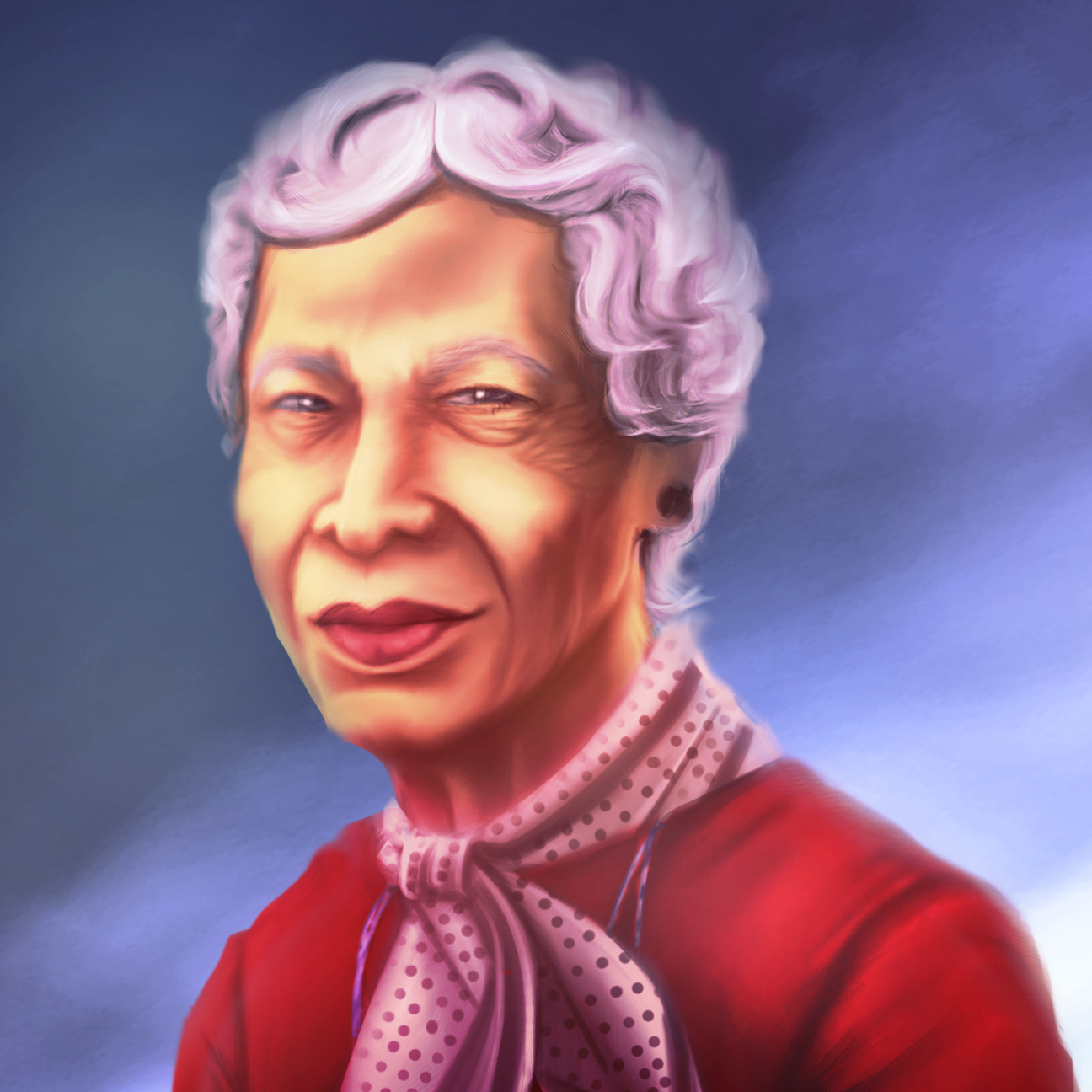
Pura Belpré loved stories. When she was little in Puerto Rico, people told folktales — stories passed down from grandparents and great-grandparents, told out loud instead of written in books.
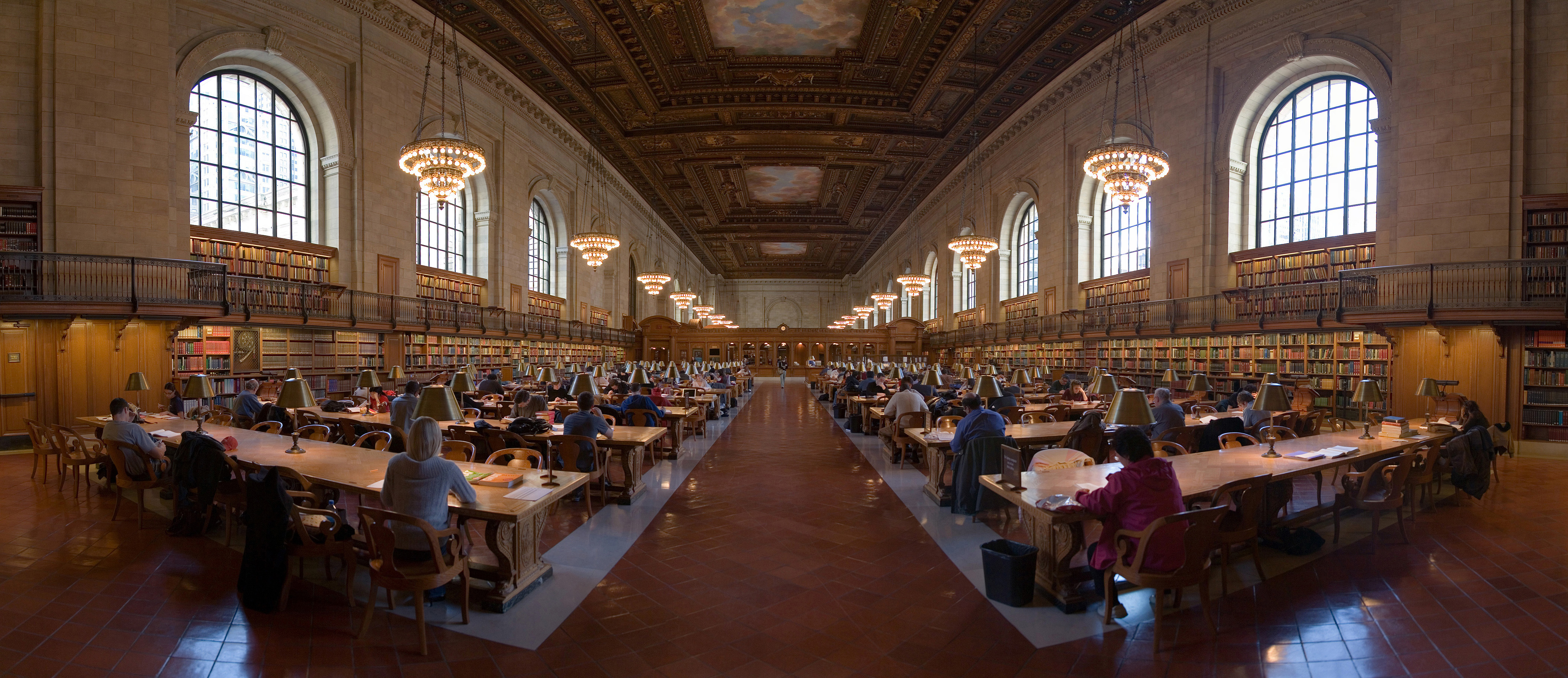
Pura moved to New York City and got a job at the library. She was the very first person from Puerto Rico to work there. She told her stories to children — in English and in Spanish — so everyone could enjoy them!
Pura Teresa Belpré was born in Cidra, Puerto Rico, and grew up surrounded by the oral storytelling traditions of her island. She came to New York City in 1920 to attend her sister's wedding — and ended up staying for the rest of her life.
At the time, the New York Public Library was looking for young women from diverse backgrounds to serve the city's growing immigrant communities. Pura was recruited, and in 1921 she began her career — becoming the first Puerto Rican librarian at the NYPL.
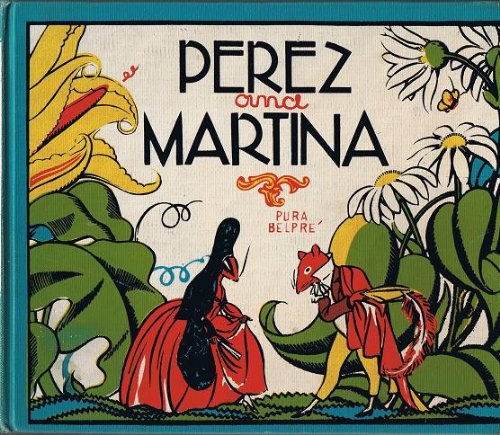
She collected folktales from Puerto Rico, translated them into English, and turned them into books so children everywhere could read them. Her most famous story, Pérez and Martina, is a beloved Puerto Rican folktale she published in 1932.
Pura Teresa Belpré y Nogueras was born on February 2, 1899, in Cidra, Puerto Rico. She graduated from Central High School in Santurce and enrolled at the University of Puerto Rico — planning to become a teacher. But a chance trip to New York in 1920 for her sister's wedding changed the course of her life entirely.
The New York Public Library was actively recruiting young women from diverse ethnic backgrounds to serve the city's rapidly expanding immigrant populations. Pura was spotted and invited to join. She accepted, trained at the NYPL Library School, and in 1921 launched a career that would last over half a century.
She was not simply a librarian who told stories — she was a cultural preservationist. Belpré understood that the oral traditions of Puerto Rico risked being lost in the noise of immigration and assimilation. Collecting, translating, and publishing those folktales was an act of cultural rescue, and she pursued it with the care and urgency it deserved.
🎭 Stories, Puppets, and the Library Stage
Pura didn't just read stories. She made them come alive with puppets she sewed with her own hands!
Children who spoke Spanish at home finally heard their language at the library. Children who had never heard Spanish got to hear something brand new. Pura made the library a place for everyone.
Pura Belpré believed that stories should be experienced, not just read. She created elaborate puppet shows to tell Puerto Rican folktales, stitching and sewing her puppets by hand. Children would come from across the neighborhood to see them.
She also published The Tiger and the Rabbit (1946), Juan Bobo and the Queen's Necklace (1962) — the first major Juan Bobo story published in the United States — and many others. Each book preserved a story that might otherwise have been known only to the families who passed it down by word of mouth.
In 1940, Belpré met African-American composer and violinist Clarence Cameron White. They married in 1943, and she left the library to tour with him and write. When White passed away in 1960, she returned to the NYPL as a Spanish Children's Specialist.
Pura Belpré's story hours were theatrical events. She sewed and crafted puppets by hand, constructing miniature stages, and transformed the library reading room into a space where Puerto Rican folklore came alive. Her performances attracted children and families from across her neighborhoods — and drew some of New York's most prominent Latin American figures to the 115th Street branch, including Mexican muralist Diego Rivera.
Her 1962 publication, Juan Bobo and the Queen's Necklace, marked a particular milestone: the first major Juan Bobo story — a beloved Puerto Rican trickster figure — to appear in a mainstream American children's book. In writing it down, she anchored a character who had existed only in oral tradition onto the permanent shelf of American literature.
She broke the barriers that had led the Spanish-speaking community to believe the libraries were only for people using the English language.
— description of Belpré's legacy, New York Public Library recordsBetween 1943 and 1960, Belpré stepped away from the library to travel with her husband, Clarence Cameron White, and focus on writing. His death in 1960 brought her back to the NYPL, where she spent her final professional years traveling across all five boroughs as a roving Spanish Children's Specialist — going wherever the children were.
📚 Selected Works
Pura wrote many books. Here are some of her most important ones! Click a cover to find out more.
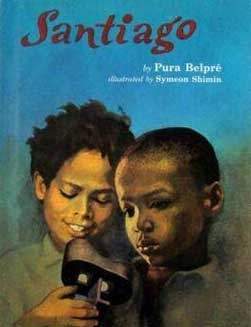
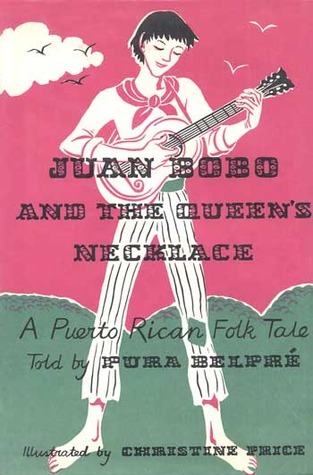
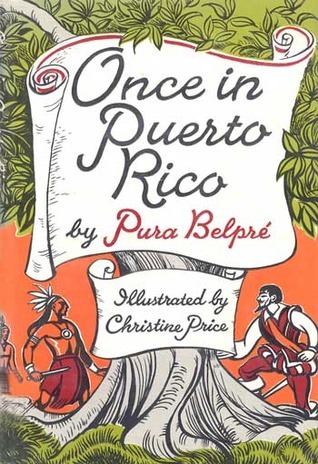
Pura Belpré published folktales, original stories, and translations throughout her career. Each book was an act of preservation — putting Puerto Rican oral tradition into permanent form. Click a cover to read more.
Belpré's published works span four decades and constitute the earliest sustained body of Puerto Rican children's literature in the United States. Her books were acts of cultural rescue as much as literary production. Click a cover to read more.
🌟 Legacy & The Pura Belpré Award
Pura Belpré passed away in 1982. But her stories are still alive today! Because of Pura, libraries all over New York City started buying Spanish-language books and welcoming families who spoke Spanish.
Pura showed us that every child deserves to hear stories in their own language — and that libraries belong to everyone.
Pura Belpré retired from the New York Public Library in 1968 and received the Mayor's Award for Arts and Culture in New York City. She continued writing and advocating for Latino children's literature until her death in 1982.
Her legacy extends beyond her books. She helped transform the New York Public Library into a multilingual institution. She proved that a public library could — and should — serve every community in its city, not just the English-speaking majority.
Belpré's final years at the NYPL were spent as a traveling Spanish Children's Specialist, visiting branches across all five boroughs and bringing her bilingual programming to communities throughout the city. She retired in 1968 and received the Mayor's Award for Arts and Culture from New York City. She continued to write and speak until her death on July 1, 1982.
The deeper legacy is structural. Belpré's career established the principle — radical in 1921, now foundational — that a public library's obligation extends to every language spoken in its community. The bilingual story hour, the Spanish-language book collection, the culturally specific programming: these are now standard practice in American public libraries, and Pura Belpré is among the people who made them so.
Pura was born on a beautiful island called Puerto Rico, a place with warm weather and wonderful stories.Pura Teresa Belpré was born on February 2, 1899, in Cidra, Puerto Rico — a place with a rich tradition of oral storytelling.Pura Teresa Belpré y Nogueras was born February 2, 1899, in Cidra, Puerto Rico. She grew up immersed in the island's tradition of oral folktales passed through generations of family.
Pura came to New York City for her sister's wedding — and decided to stay! She loved the big, busy city.Pura traveled to New York City in 1920 for her sister's wedding. While there, she was invited to train as a librarian — and a remarkable career began.In 1920, Belpré traveled to New York for her sister Elisa's wedding. The NYPL was actively recruiting young women from diverse ethnic communities; Belpré was spotted and recruited. She never returned to live in Puerto Rico.
Pura got a job at the New York Public Library — the very first person from Puerto Rico to work there!In 1921, Pura became the first Puerto Rican librarian hired by the New York Public Library. She started at the 135th Street branch in Harlem.Belpré began her library career at the 135th Street branch in Harlem. She immediately began Spanish-language programming — bringing Puerto Rican folktales to children who had never heard them in a public setting.
Pura moved to a library in East Harlem, where many Puerto Rican families lived. She brought her stories with her!Pura transferred to the 115th Street branch in East Harlem — a neighborhood at the heart of New York's Puerto Rican community. Her bilingual story hours became famous throughout the area.The 115th Street branch in East Harlem became the center of Belpré's work. Belpré's programs drew families who had never felt welcome in a library before. The branch became a cultural institution within the community.
Pura wrote her first book — Pérez and Martina — a Puerto Rican love story about a cockroach and a mouse!Pura published her first book, Pérez and Martina — a Puerto Rican folktale she had told at story hours for years. It was one of the first Puerto Rican children's books published in the United States.The publication of Pérez and Martina in 1932 marked a milestone: the first Puerto Rican folktale to appear as a mainstream American children's book. Belpré had told the story orally for over a decade before committing it to print.
Pura got married and took a break from the library to travel and write more books.Pura married composer and violinist Clarence Cameron White in 1943. She left the library to travel with him and focus on her writing.Belpré married Clarence Cameron White, a prominent African-American composer, in 1943. She resigned from the NYPL to tour with him and devote more time to writing. During this period she published Juan Bobo and the Queen's Necklace (1962).
After her husband passed away, Pura went back to the library — and kept telling stories all over New York City.After her husband's death in 1960, Pura returned to the New York Public Library as a Spanish Children's Specialist, traveling to branches across all five boroughs.Following Clarence Cameron White's death, Belpré returned to the NYPL as a Spanish Children's Specialist — a roving position that sent her to branches across all five boroughs until her retirement in 1968.
A special prize called the Pura Belpré Award is given every year to the best books for children by Latino authors. Her name lives on in every story it celebrates.In 1996, the American Library Association created the Pura Belpré Award — given every year to the best children's book by a Latino author and illustrator. It was the first award of its kind in American publishing.Established in 1996 by the American Library Association and REFORMA, the award is given annually to the Latino writer and illustrator whose work best celebrates the Latino cultural experience for young people — the first such award in American children's publishing.
💬 Discussion Questions
- 1Does someone in your family tell you stories? What are they about?
- 2Pura made puppets with her hands. If you made a puppet for a story, what character would it be?
- 3Pura wanted everyone to feel welcome at the library. What makes you feel welcome somewhere?
- 1Pura collected folktales from Puerto Rico and put them into books so no one would forget them. Why is it important to write down stories that people usually just tell out loud?
- 2When Pura came to the library, Spanish-speaking families felt like the library wasn't for them. How did Pura change that? What did she do?
- 3Pura's first book was Pérez and Martina — a story she had told at the library for years before she wrote it down. Why do you think some stories are told out loud long before they become books?
- 1Pura Belpré believed that a library should feel like home to everyone in the community, regardless of what language they spoke. Today, are all communities equally served by their local libraries? What might still need to change?
- 2Belpré described her work of collecting and publishing Puerto Rican folktales as a way of preserving her culture in a new country. What do you think is at risk when an immigrant community is pressured to assimilate quickly — and what is gained when they preserve their traditions instead?
- 3The Pura Belpré Award was created 14 years after her death. Why do you think it sometimes takes years — or even generations — before a person's contributions are formally recognized? Can you think of other examples of this?