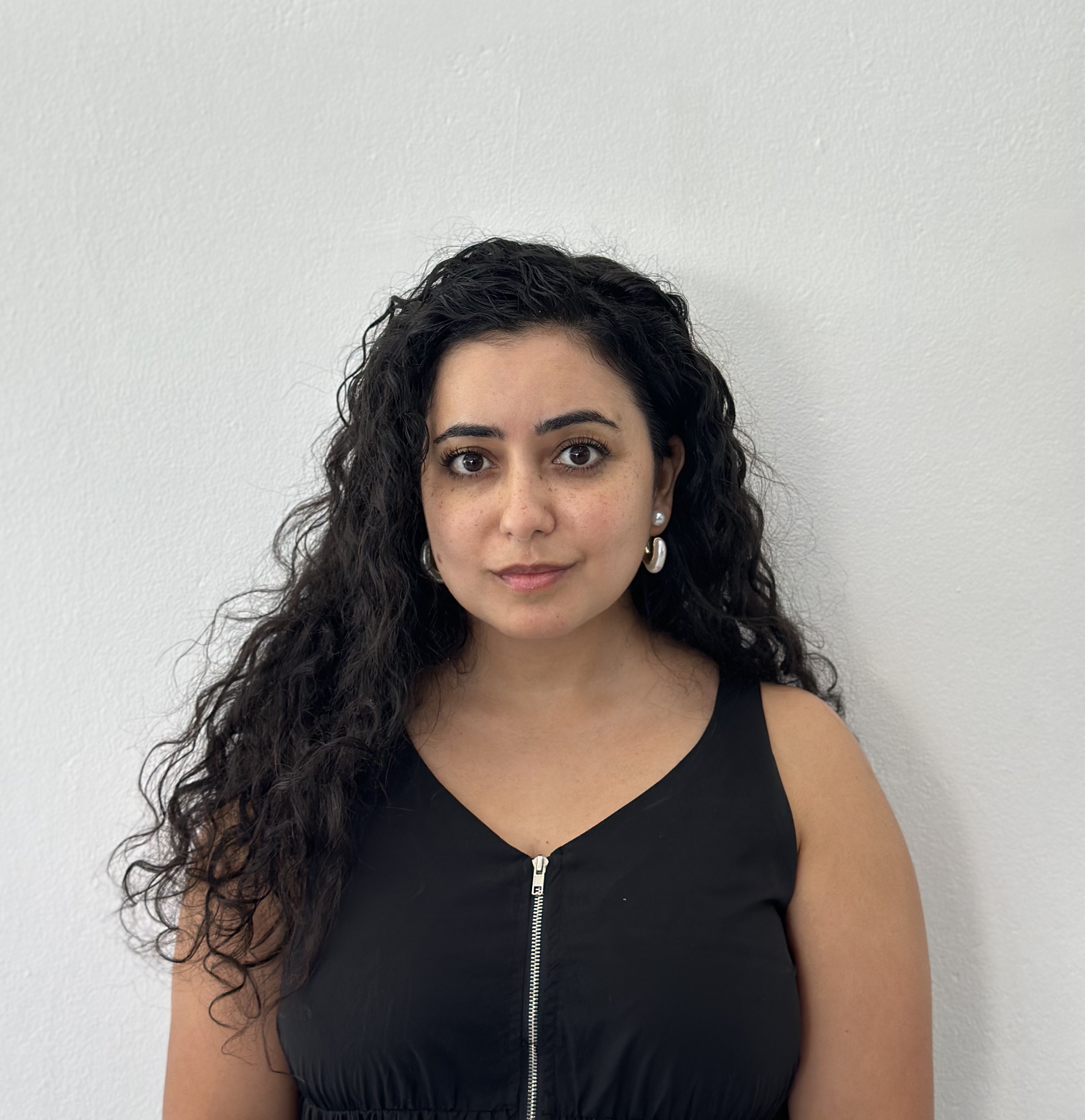
🧵 Who Is Sundus Saad?
Sundus Saad is an artist who makes art with yarn — the same kind of soft, colorful string used to knit sweaters. But instead of making clothes, Sundus weaves yarn into beautiful pictures and sculptures.
She lives in Cape Town, South Africa. Before she became an artist, she used to work at a job on a computer all day. Then one day she discovered weaving, and something clicked. Now she “paints with yarn.”
Sundus Saad is a South African-Arab fiber artist and weaver based in Cape Town, South Africa. She creates art using yarn — weaving individual fibers over and under, over and under, until they come together as something whole.
She grew up in Malawi, a landlocked country in southeastern Africa known for its warmth, color, and community. In 2005, she returned to Cape Town, the city her family calls home, and that is where she discovered weaving and developed her practice as an artist.
Sundus creates from home, often late at night when the world is quiet. Her work explores heritage, identity, and childhood — and the way different threads of life come together.
Sundus Saad (b. 1989) is a South African-Arab fiber artist and weaver whose practice centers on on-loom and off-loom textile work. Based in Sea Point, Cape Town, she creates art that uses yarn as both medium and metaphor — individual fibers woven together into something whole, much like the layers of identity, memory, and heritage that inform her work.
Saad grew up in Malawi — a landlocked country in southeastern Africa known as “the warm heart of Africa” — before returning to Cape Town in 2005. Those early years left a lasting imprint: the colors of Malawi’s landscape, its tropical greens and warm earth, its rains and its light, recur across her canvases.
🎨 How Sundus Makes Her Art
To make her art, Sundus uses yarn and a tool called a loom. She weaves the yarn by going over and under, over and under — like braiding, but flat. After a long time, the yarn becomes a picture or a texture you could almost reach out and touch.
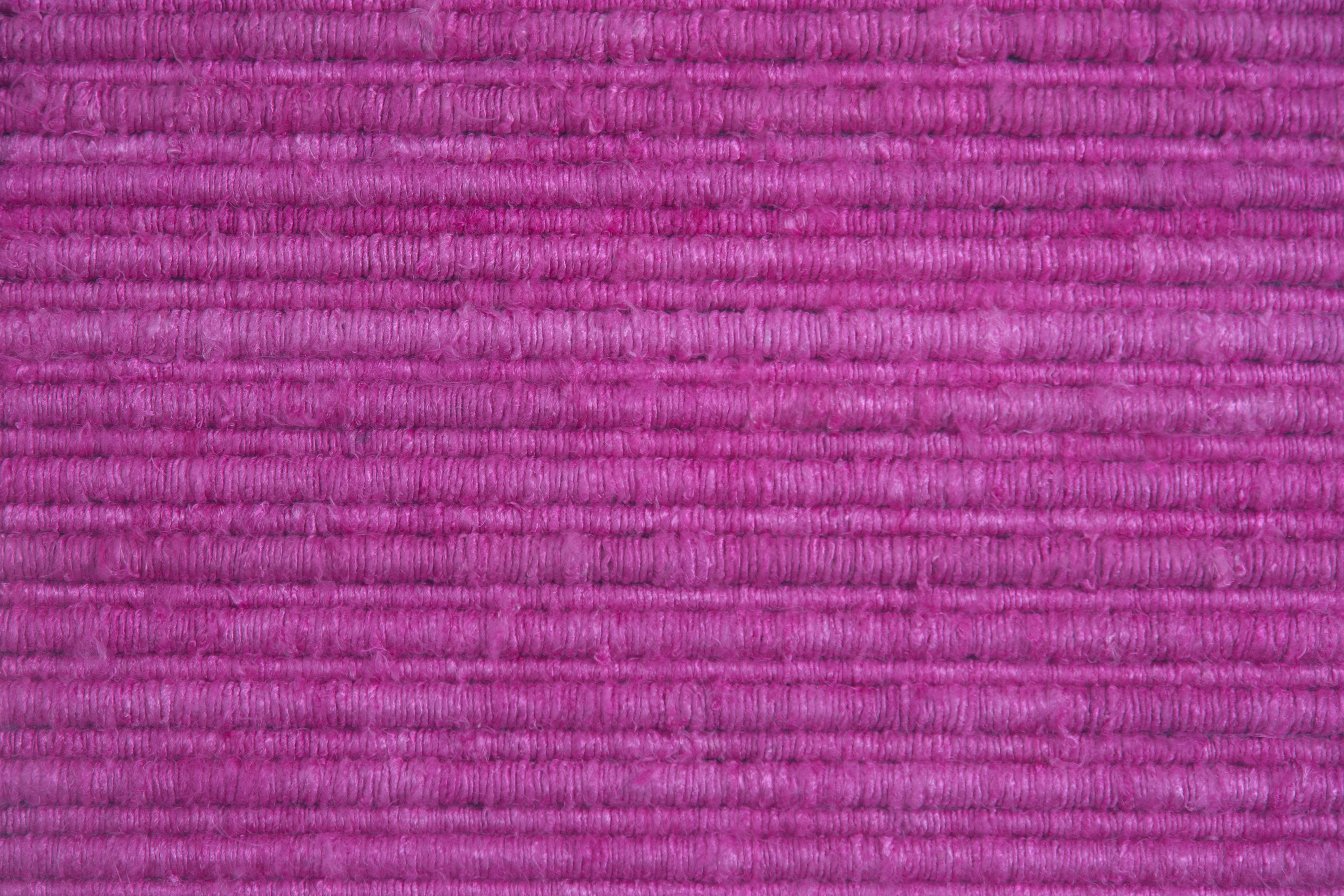
She also uses special materials like banana silk — silk made from banana plants! It is soft, strong, and kind to the earth.
Sundus describes her process simply: “I make art using yarn instead of paint. I weave them together by going over and under, over and under, again and again — a bit like making a big piece of fabric.”
But the materials she chooses are anything but ordinary. One of her favorites is banana silk — a biodegradable, sustainable fiber made from the waste of banana plants, handspun by women’s cooperatives. It’s UV-resistant, mold-resistant, and made with far less water than traditional textiles.
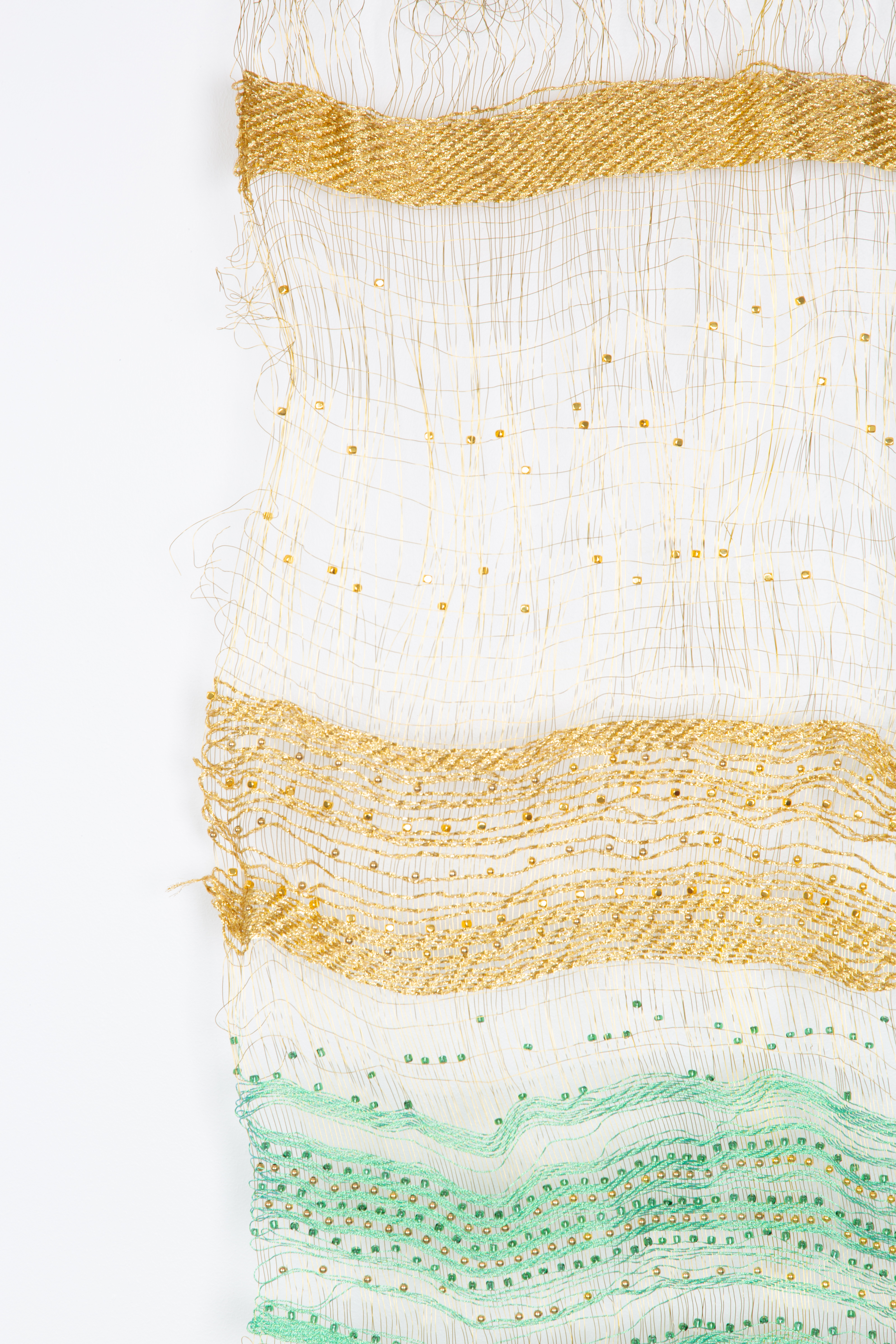
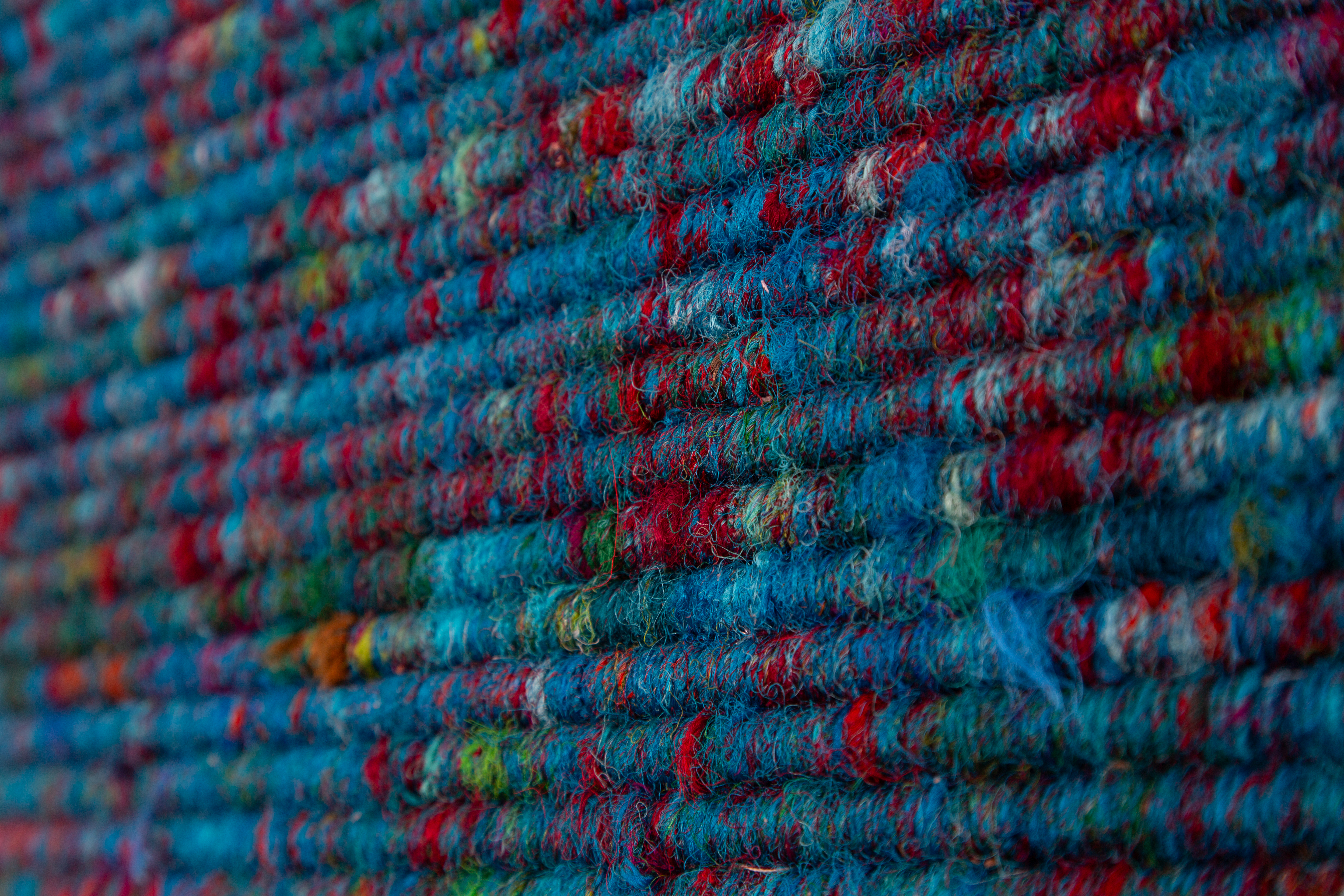
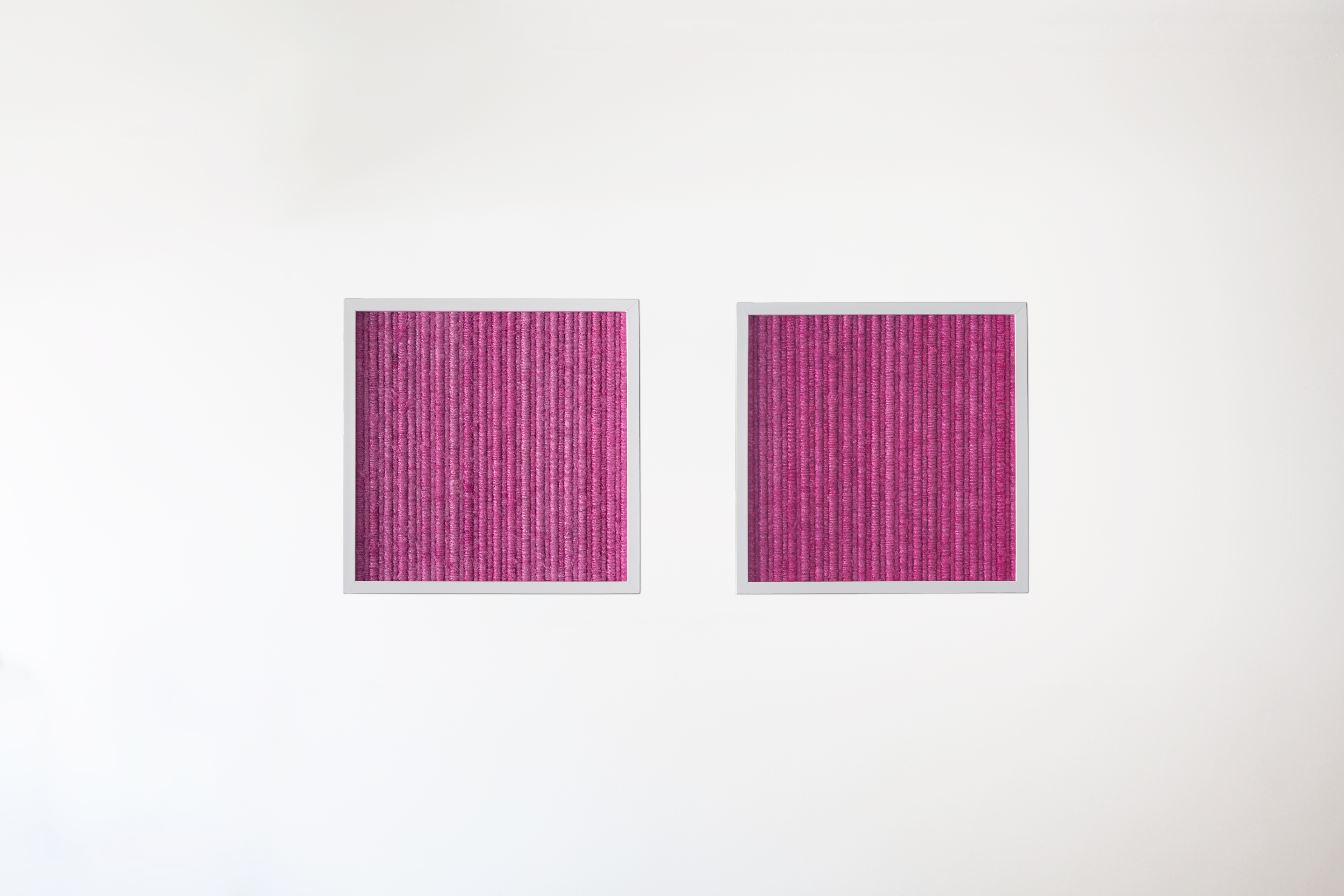
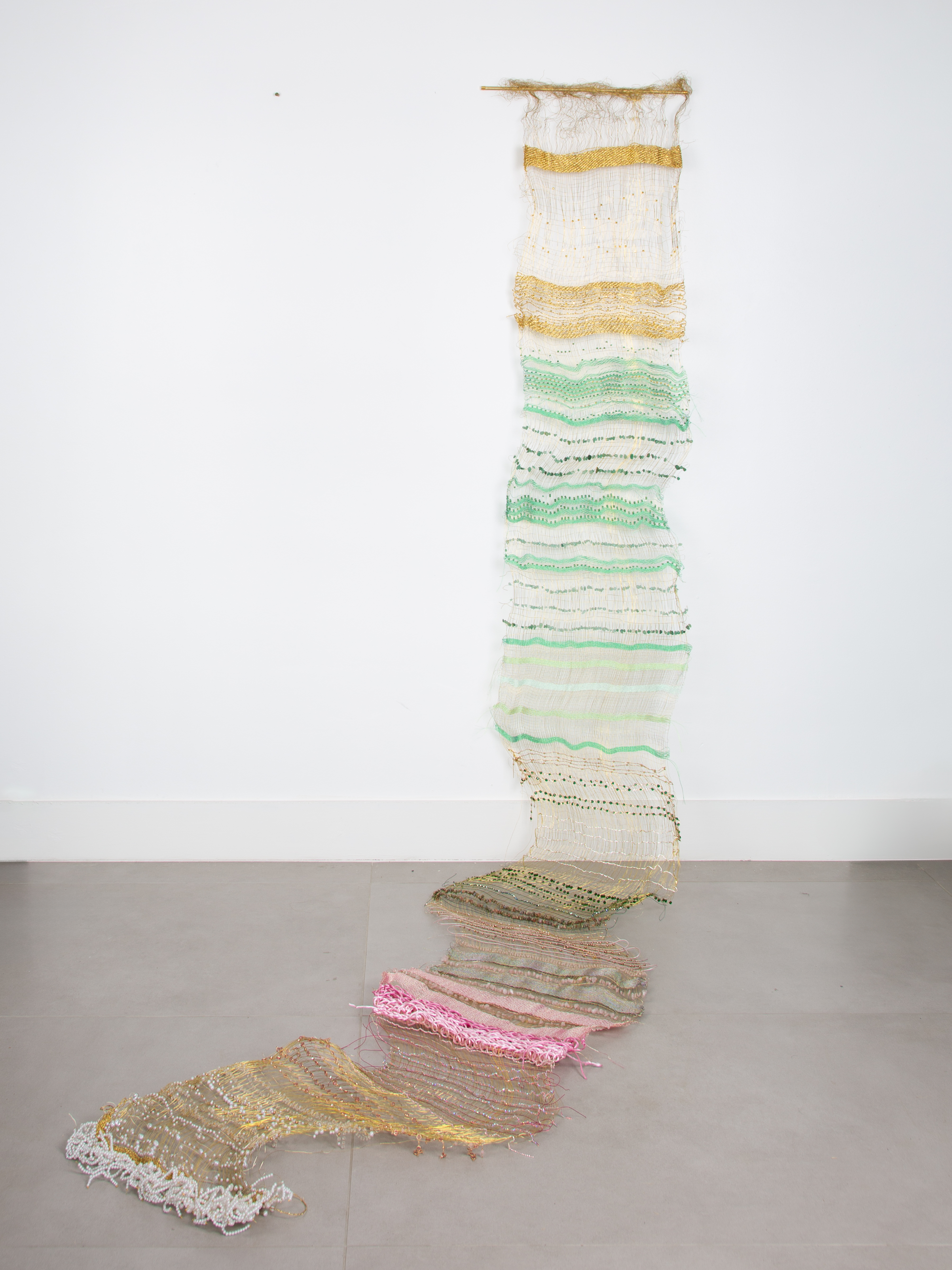
For her piece Jannah, she wove together copper wire, gold-plated wire, pearls, rose quartz, jade stone, and beads alongside fiber — a work that cascades from wall to floor like a waterfall of light.
For Saad, the process of making a piece often begins not at the loom but at the source — sourcing yarn. She has described getting lost in yarn shops as the spark for many pieces. Alongside traditional fibers, she incorporates unconventional materials: copper wire, rose quartz, jade stone, and glass beads, treating each with the same intentionality she brings to her more familiar fibers.
A recurring material in her practice is banana silk — a biodegradable, sustainable fiber handspun by women’s cooperatives from weaving mill waste. Her discovery of it, in a local Cape Town wool shop, was a turning point: the material carried both aesthetic and ethical resonance, becoming a thread connecting sustainability, fair trade, and craft.
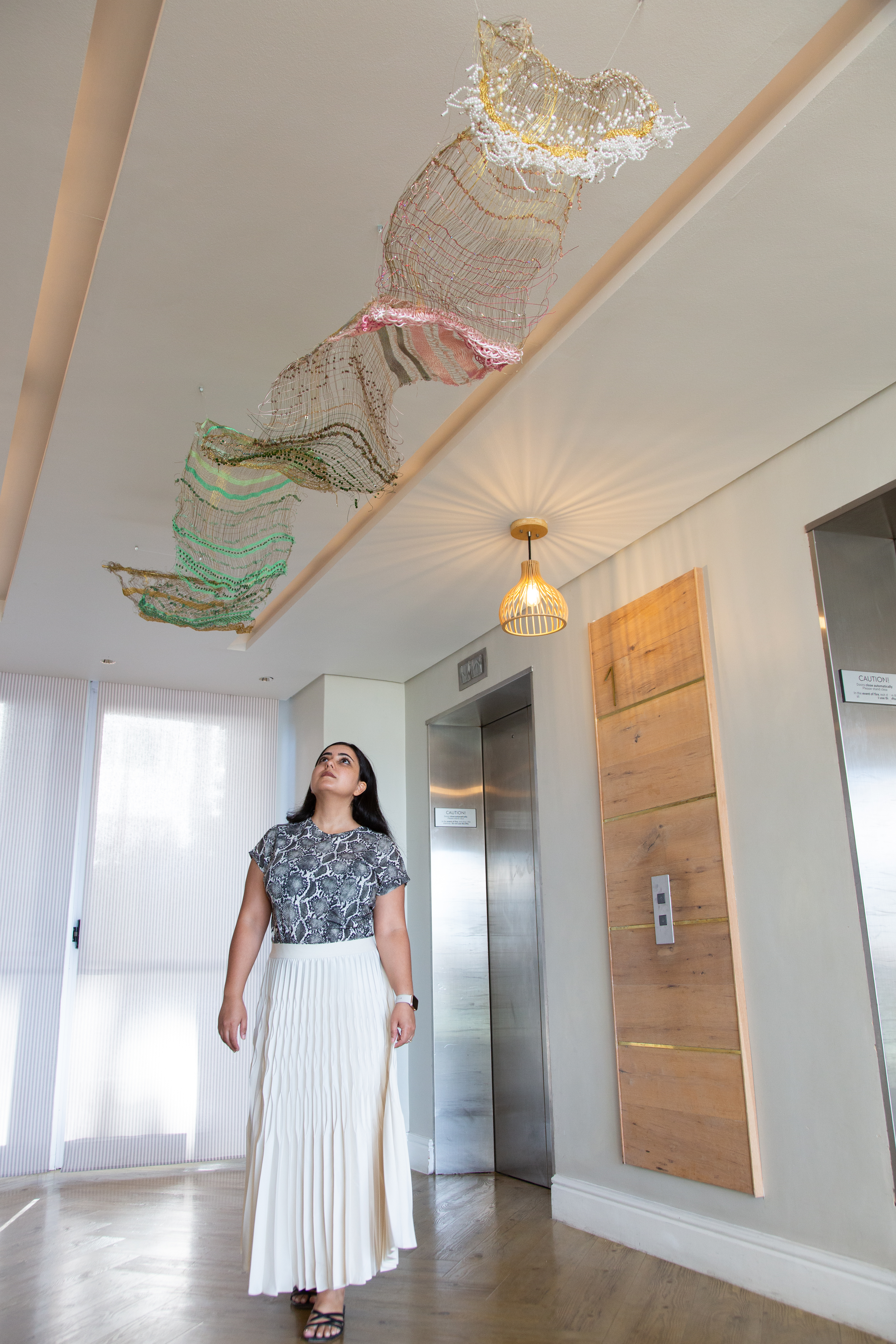
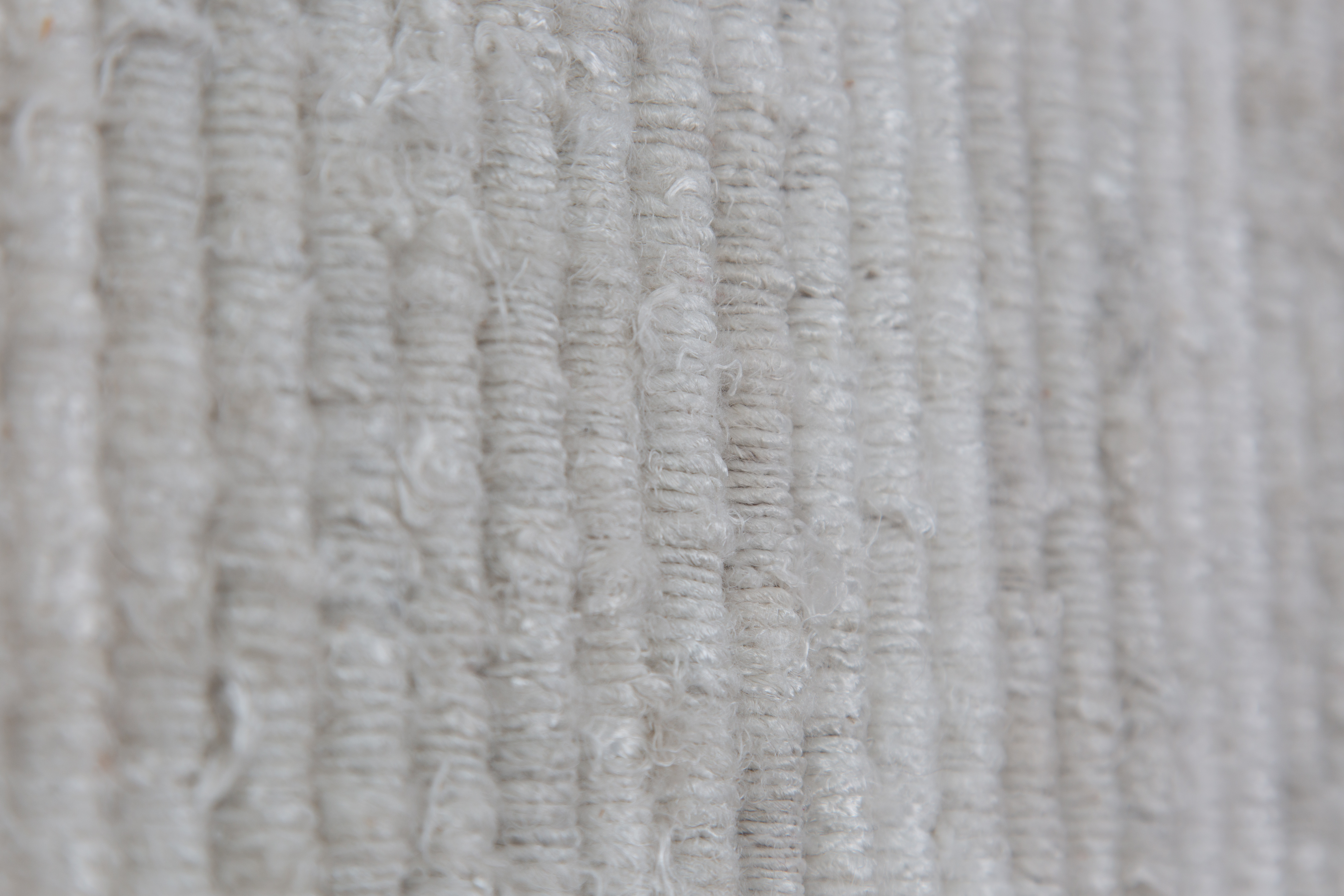
Her piece Jannah — the Arabic word for paradise — explores ascension through the seven heavens as described in Islamic tradition. Each layer introduces new materials and textures, creating an upward journey in which shifting luminosity transforms the work as light changes. The macro detail of any of her pieces reveals the method: row upon row of individual threads, each placed with intention, accumulating into something far larger than the sum of its parts.
🗺️ What Sundus’s Work Is About
Sundus makes art about things she loves and remembers — like the colors of the place she grew up, the feeling of home, and things that make her happy.
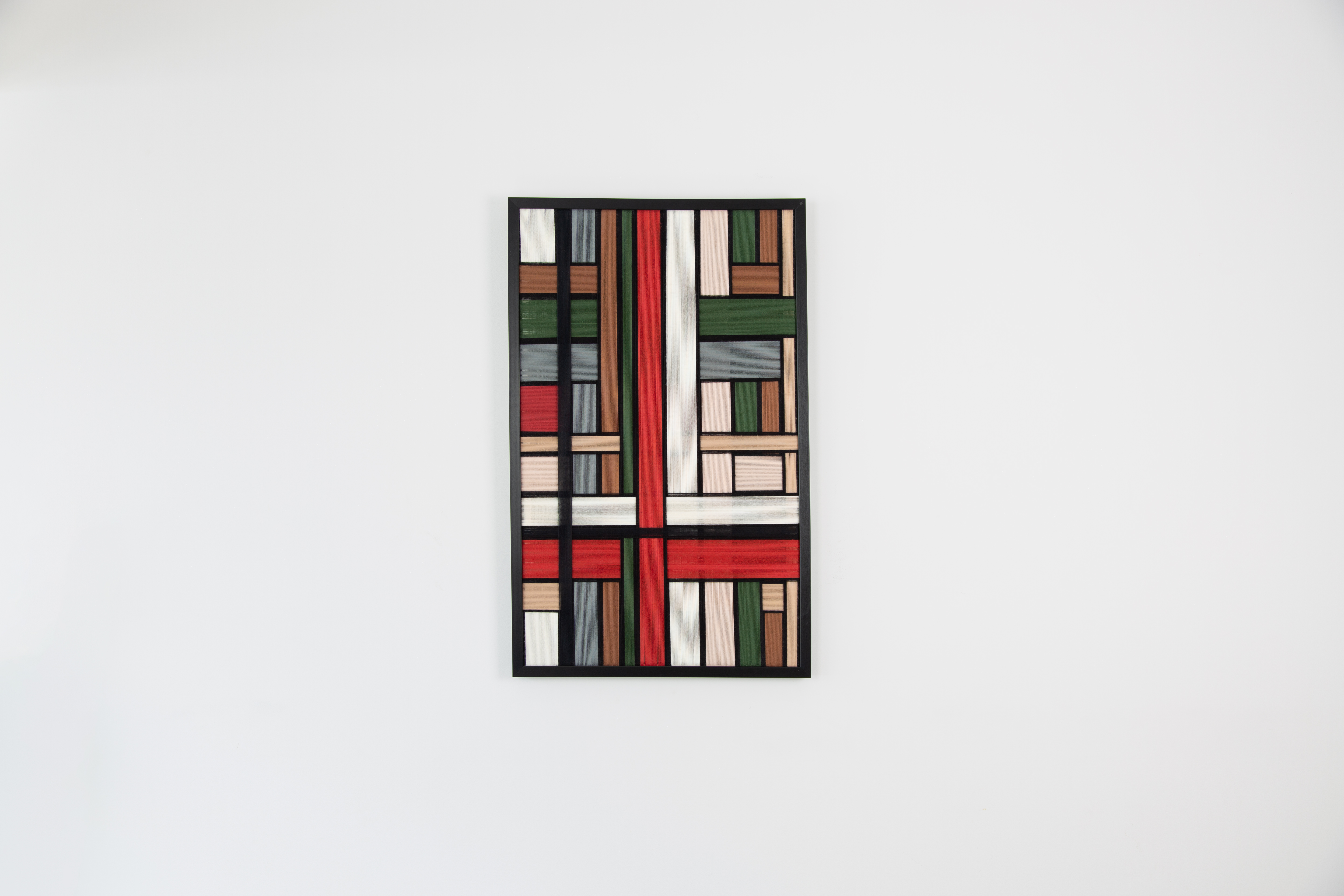
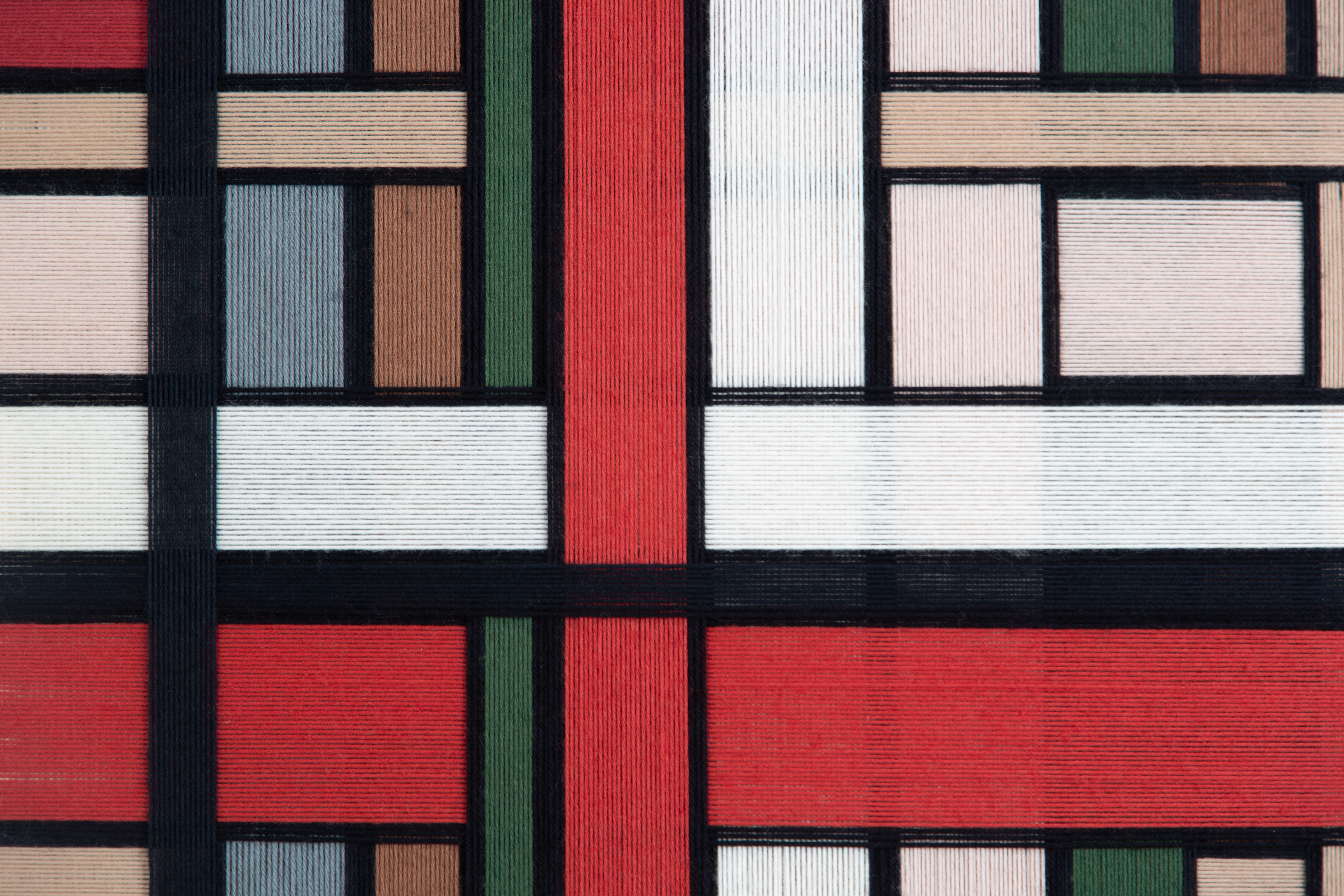
Her piece called Home uses colors to tell a story: brown and beige for the African earth, red for the African sunset, green for the trees and plants of Malawi, and white for elephant tusks.
Sundus hopes that when someone stands in front of her art, they feel something — like warmth, or wonder, or a memory of their own.
Most of Sundus’s work explores three big ideas: heritage (where she comes from and the cultures that shaped her), identity (who she is), and childhood (the memories and feelings that stay with us).
Her piece Home is a kind of map of Malawi woven into wool — brown earth, red sunsets, tropical green, rainy gray, and ivory for elephants. Her diptych Come On Barbie & Let’s Go Barbie revisits girlhood and the feelings of joy and independence. And Jannah journeys inward, exploring ideas of paradise, ascension, and spiritual beauty.
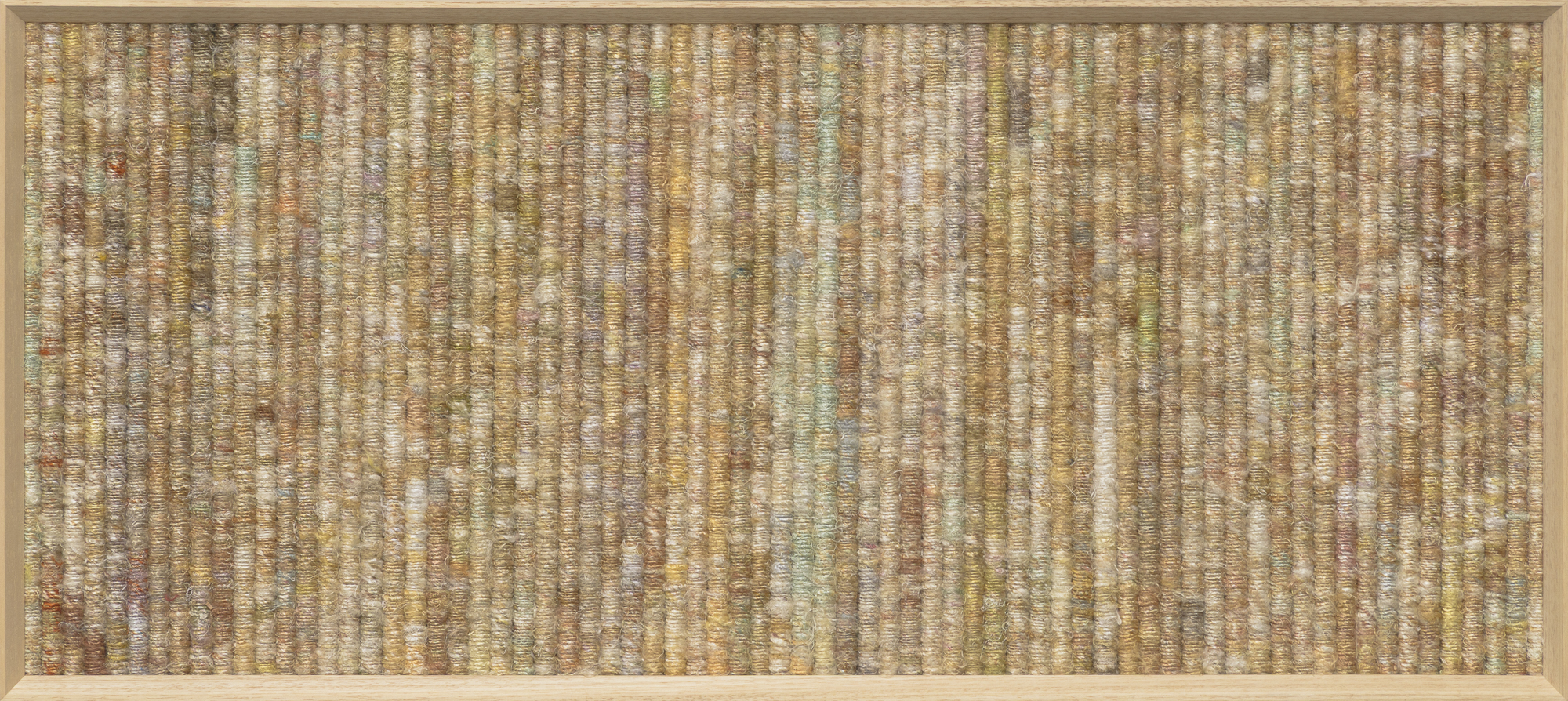
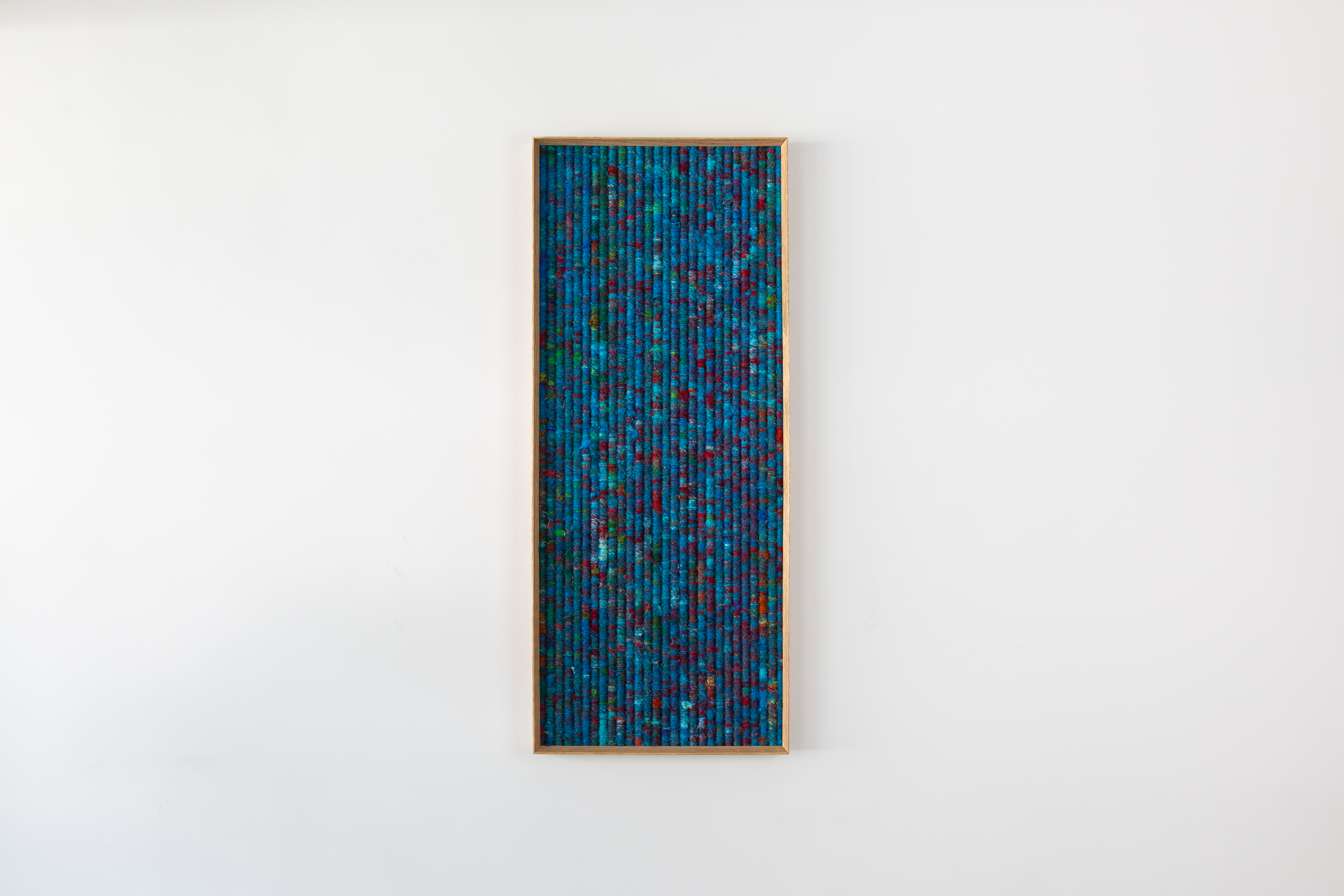
Two other pieces connect to her Arab heritage. Mesopotamia honors the ancient region her father’s family comes from — a place that once thrived at the crossroads of trade routes and civilizations. Two Rivers takes inspiration from the Tigris and Euphrates rivers, woven in blue, green, and red banana silk.
“Most of my work centers around heritage, identity, and childhood, and it’s especially meaningful when someone connects with the story behind my pieces.”
— Sundus SaadSaad’s practice is rooted in three interlocking themes: heritage, identity, and childhood. These are not simply subjects but organizing principles — the emotional and intellectual framework within which she makes choices about color, material, scale, and form.
Home maps Malawi in Merino wool: brown and beige for the earth, red for the African sunset, green for tropical foliage, gray for rain, ivory for the tusks of elephants. The landscape is not represented literally but encoded in color — legible to those who look closely, and deeply familiar to those who know the land.
Mesopotamia and Two Rivers share a heritage impulse but each stands as its own work. Mesopotamia draws on the artist’s paternal Arab heritage, evoking the grandeur of an ancient region that thrived at the crossroads of empires. Its gold-dominant tones speak to both age and prestige; banana silk — once part of the Silk Road economy — connects past to present in the very material. Two Rivers takes the Tigris and Euphrates as its subject: in blue, green, and red banana silk, it honors the life-giving rivers that nurtured the earliest human settlements in Mesopotamia.
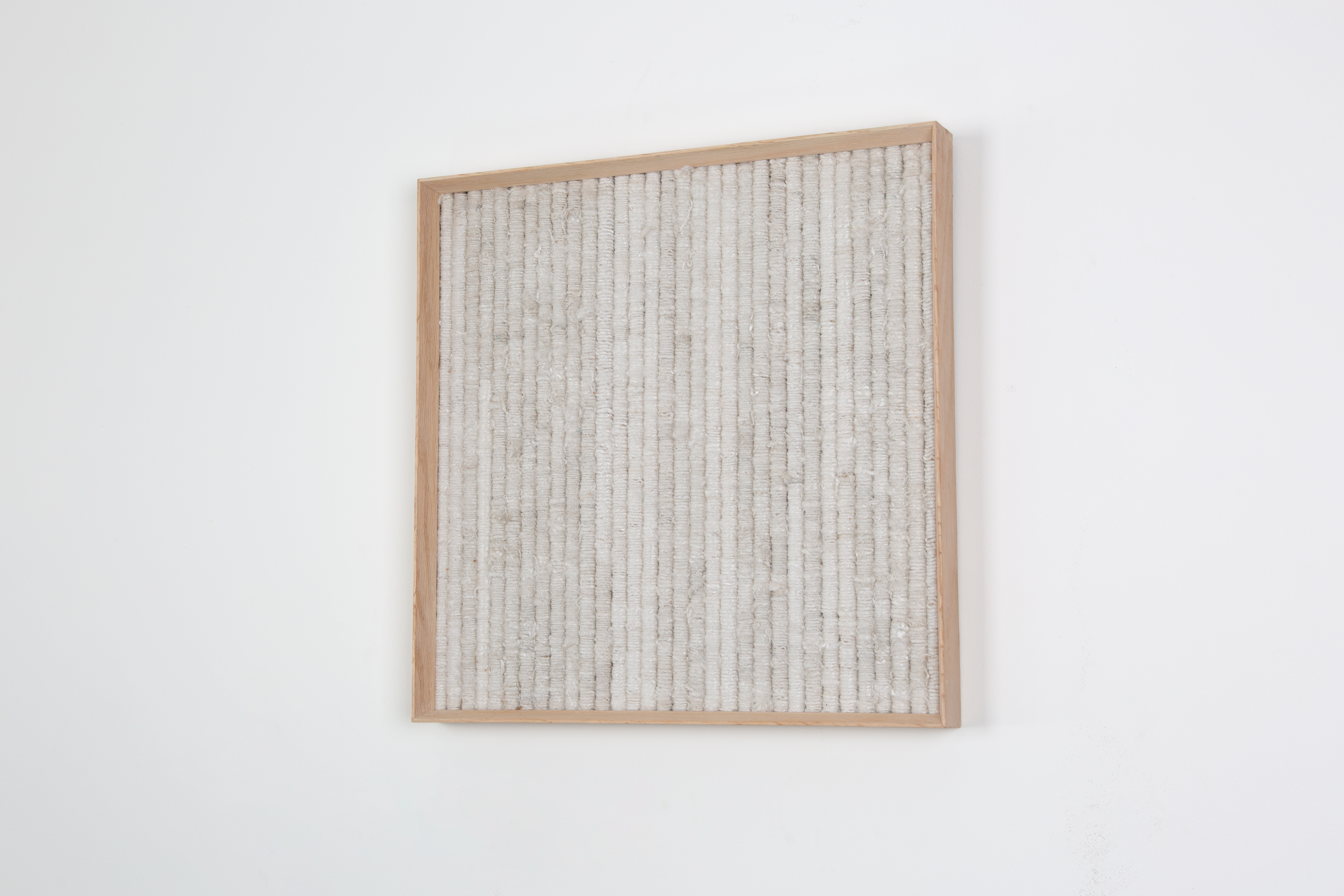
A further dimension of her practice appears in The Sun Will Make You White — a work in luminous white banana silk that reflects on the experience of colorism: the social bias that values lighter skin tones within communities of color. It is a personal work rooted in Saad’s own childhood experiences, and it extends her broader concern with identity into the terrain of beauty standards and cultural conditioning.
Sundus was born in Cape Town, South Africa, in 1989.Sundus Saad was born in Cape Town, South Africa, in 1989, into a South African-Arab family.Sundus Saad was born in Cape Town, South Africa, in 1989, to a South African-Arab family. Cape Town — where she lives and works today — is both her origin and her home base as an artist.
As a child, Sundus grew up in Malawi — a country in Africa full of green trees, warm colors, and community.Sundus grew up in Malawi, southeastern Africa — a country known as “the warm heart of Africa.” Surrounded by color, warmth, and community, those years would shape how she sees the world as an artist.Saad spent her childhood in Malawi — a landlocked country in southeastern Africa often called “the warm heart of Africa.” The vivid landscape of Malawi, its tropical greens, red sunsets, and earth tones, became a permanent part of her visual vocabulary as an artist.
When Sundus was a teenager, her family moved back to Cape Town. That’s where she still lives today.In 2005, Sundus returned to Cape Town, where she has lived since. The city would become the place where she discovered her art and grew as a creative person.In 2005, Saad returned to Cape Town, the city that became her permanent home and the setting for her development as an artist. It was in Cape Town that she would eventually find weaving — the practice that changed the direction of her life.
Before she was an artist, Sundus had a different job. She worked in advertising — helping make ads — for about 11 years.For over a decade, Sundus had a successful career in advertising. It was creative work, but it kept her behind a screen. Over the years, she tried many creative things until she found weaving — and something clicked.Saad spent more than a decade in an award-winning career in advertising. The work was adjacent to creativity but left her feeling removed from making. Her creative instincts, strong since childhood, reasserted themselves gradually over those years.
One day, Sundus found weaving and loved it. She decided to become a full-time artist. Now she makes art instead of going to meetings!After years of searching, Sundus discovered weaving — and something clicked. She left advertising to become a full-time artist and weaver. “Eventually, I realized I wanted to spend my time creating with my hands,” she said.After years of exploring different creative forms, Saad discovered weaving and experienced what she describes as a sudden sense of rightness. She transitioned from advertising to full-time art — driven by the desire to create with her hands rather than manage with a screen. As she put it in her own words: “There wasn’t one big dramatic moment — it was more like a feeling that kept growing.”
Sundus started showing her art in exhibitions — special shows where people come to see artwork. People loved what she made!Sundus began exhibiting her work publicly, showing in several Cape Town exhibitions including the Art School Africa x Cape Racing Summer Exhibition (2024/25) and the Cape Guild of Weavers 75th Anniversary Exhibition (2025). She was also selected as a finalist for Sasol New Signatures 2025 — a significant South African art competition.Saad’s exhibition record accelerated in 2024–25: Art School Africa x Cape Racing Summer Exhibition (2024/25), Cape Guild of Weavers 75th Anniversary Exhibition (2025), and Art School Africa Summer Exhibition (2025/26). She was also selected as a finalist for Sasol New Signatures 2025, one of South Africa’s most significant open art competitions for emerging artists.
💬 Discussion Questions
- 1Sundus uses colors to tell stories about places she loves. If you made a piece of art about your home or neighborhood, what colors would you use — and what would each color stand for?
- 2Sundus weaves yarn together piece by piece to make something bigger. Can you think of something else that is made by putting lots of small pieces together?
- 3Sundus says she does her best creating late at night when the world is quiet. When do you feel most creative or most able to focus?
- 1Sundus left a career in advertising to become a full-time artist. What do you think it takes to make a big change like that? What might have been hard about it?
- 2Sundus uses materials that are good for the environment — like banana silk, made by women’s cooperatives from waste fibers. Does knowing how an artwork is made change how you feel about it?
- 3In her piece Home, Sundus used colors to represent places and memories — green for Malawi’s trees, red for the African sunset, ivory for elephant tusks. What memory or place would you want to represent in a piece of art, and how would you represent it?
- 1Saad describes her material choices as inseparable from her artistic intention — banana silk is not just a medium but a statement about sustainability and fair trade. How does the choice of material affect the meaning of an artwork?
- 2Mesopotamia and Two Rivers both draw on Saad’s Arab heritage, but are independent works with distinct materials, scales, and ideas. What does it mean to return to the same heritage across multiple pieces? What might change, and what stays the same?
- 3Saad says she creates work that is “never forced or scheduled” — it unfolds “organically, unplanned, and often during the quiet hours of the night.” How does that approach compare to how you do your own creative work? What are the advantages and limitations of each approach?
📖 Words to Know
With adult support, identify different modes of communication: print, digital, auditory, and visual. (I)
With adult support, describe the connection between two individuals, events, ideas, or pieces of information in a text. (I)
Identify techniques used to craft expository texts, including main topic and supporting details. (I)
Describe the connection between a series of historical events, scientific ideas or concepts, or steps in technical procedures in a text. (I)
Integrate and explain information from two texts on the same topic in relationship to important points and key details. (I)
Explain events, procedures, ideas, or concepts in a historical, scientific, or technical text, including what happened and why, based on specific information in the text. (I)
Make inferences about the context in which the text is written (e.g., time period, individual, situational). (I)
Explain the relationships or interactions between two or more individuals, events, ideas, or concepts in a historical, scientific, or technical text based on specific information in the text. (I)
With prompting and support, describe the connection between two individuals, events, ideas, or pieces of information in a text.
Use the illustrations and details in a text to describe its key ideas.
Describe the connection between a series of historical events, scientific ideas or concepts, or steps in technical procedures in a text.
Distinguish their own point of view from that of the author of a text.
Use information gained from illustrations and the words in a text to demonstrate understanding of the text.
Report on a topic or text, tell a story, or recount an experience with appropriate facts and relevant, descriptive details, speaking clearly in complete sentences at an understandable pace.
Explain events, procedures, ideas, or concepts in a historical, scientific, or technical text, including what happened and why, based on specific information in the text.
Write informative/explanatory texts to examine a topic and convey ideas and information clearly.
With prompting and support, describe the connection between two individuals, events, ideas, or pieces of information in a text.
With prompting and support, describe how the words and illustrations work together to provide information.
Use the illustrations and details in a text to describe its key ideas.
Describe the connection between a series of historical events, scientific ideas or concepts, or steps in technical procedures in a text.
Explain how specific images contribute to and clarify a text.
Describe the relationship between a series of historical events, scientific ideas or concepts, or steps in technical procedures in a text, using language that pertains to time, sequence, and cause/effect.
Distinguish their own point of view from that of the author of a text.
Use information gained from illustrations and the words in a text to demonstrate understanding of the text.
Report on a topic or text, tell a story, or recount an experience with appropriate facts and relevant, descriptive details, speaking clearly in complete sentences at an understandable pace.
Explain events, procedures, ideas, or concepts in a historical, scientific, or technical text, including what happened and why, based on specific information in the text.
Interpret information presented visually, orally, or quantitatively and explain how the information contributes to an understanding of the text in which it appears.
Explain the relationships or interactions between two or more individuals, events, ideas, or concepts in a historical, scientific, or technical text based on specific information in the text.
Describe the relationship between illustrations and the text. (RI&RL)
Make connections between self, text, and the world. (RI&RL)
Describe how illustrations and details support the point of view or purpose of the text. (RI&RL)
Identify examples of how illustrations, text features, and details support the point of view or purpose of the text. (RI&RL)
Determine a theme or central idea and explain how it is supported by key details; summarize portions of a text. (RI&RL)
Recognize genres and make connections to other texts, ideas, cultural perspectives, eras, personal events, and situations. (RI&RL)
Identify information presented visually, orally, or quantitatively (e.g., in charts, graphs, diagrams, time lines, animations, illustrations), and explain how the information contributes to an understanding of the text. (RI&RL)
Recognize genres and make connections to other texts, ideas, cultural perspectives, eras, personal events, and situations. (RI&RL)
Analyze how visual and multimedia elements contribute to meaning of literary and informational texts. (RI&RL)
Create a poem, story, play, artwork, or other response to a text, author, theme, or personal experience.
With prompting and support, describe the connection between two individuals, events, ideas, or pieces of information in a text.
Use the illustrations and details in a text to describe its key ideas.
Describe the connection between a series of historical events, scientific ideas or concepts, or steps in technical procedures in a text.
Distinguish their own point of view from that of the author of a text.
Use information gained from illustrations and the words in a text to demonstrate understanding of the text.
Report on a topic or text, tell a story, or recount an experience with appropriate facts and relevant, descriptive details, speaking clearly in complete sentences at an understandable pace.
Explain events, procedures, ideas, or concepts in a historical, scientific, or technical text, including what happened and why, based on specific information in the text.
Write informative/explanatory texts to examine a topic and convey ideas and information clearly.
Saad, S. (2026). Artist bio and statement. This Month: Arab American Heritage Month. Artist-provided materials.
Saad, S. (2026). Interview with This Month™. This Month: Arab American Heritage Month. THENCE Sagl / month.thence.us
Saad, S. (2026). Artwork descriptions: Come On Barbie & Let’s Go Barbie; Home; Jannah; Mesopotamia; The Sun Will Make You White; Two Rivers. This Month: Arab American Heritage Month. Artist-provided materials.
Saad, S. (2026). Photographs of artwork and artist. This Month: Arab American Heritage Month. Used with permission of the artist.