☘️
🏴󠁧󠁢󠁷󠁬󠁳󠁿
⚜️
☘️
✝️
☘️ 🌼 🏴󠁧󠁢󠁷󠁬󠁳󠁿 ⚜️ 🌾

The Saints of March

A Teacher's Guide to Three Remarkable Lives
🏴󠁧󠁢󠁷󠁬󠁳󠁿 St. David — March 1 🌾 St. Joseph — March 19 ☘️ St. Patrick — March 17

Intended Audience: Elementary Educators, K–5 (with notes for K-12 extensions)

Subject Connections: Social Studies, ELA, Visual Arts, World Cultures, Geography

Core Themes: Courage and conviction, cultural identity, legend vs. history, community and service

Cultural Communities: Welsh, Irish, Italian, Sicilian, Spanish, Latin American, Filipino, and broader Catholic communities

Content Note: Three saints are honored in March across many faith and cultural traditions. This guide approaches their stories with historical curiosity and cultural respect, welcoming students of all backgrounds.

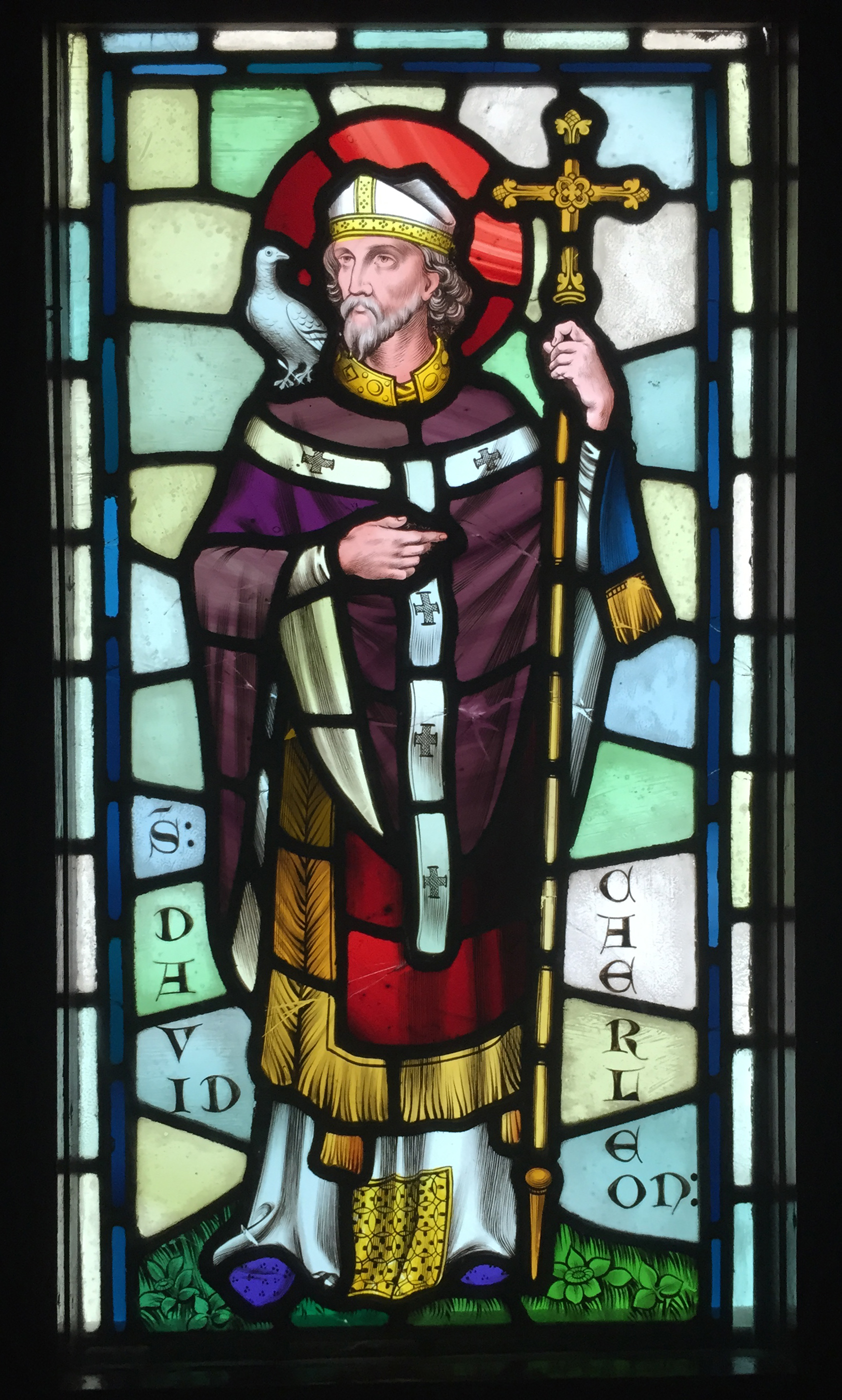
St. David stained glass panel
🏴󠁧󠁢󠁷󠁬󠁳󠁿 St. David
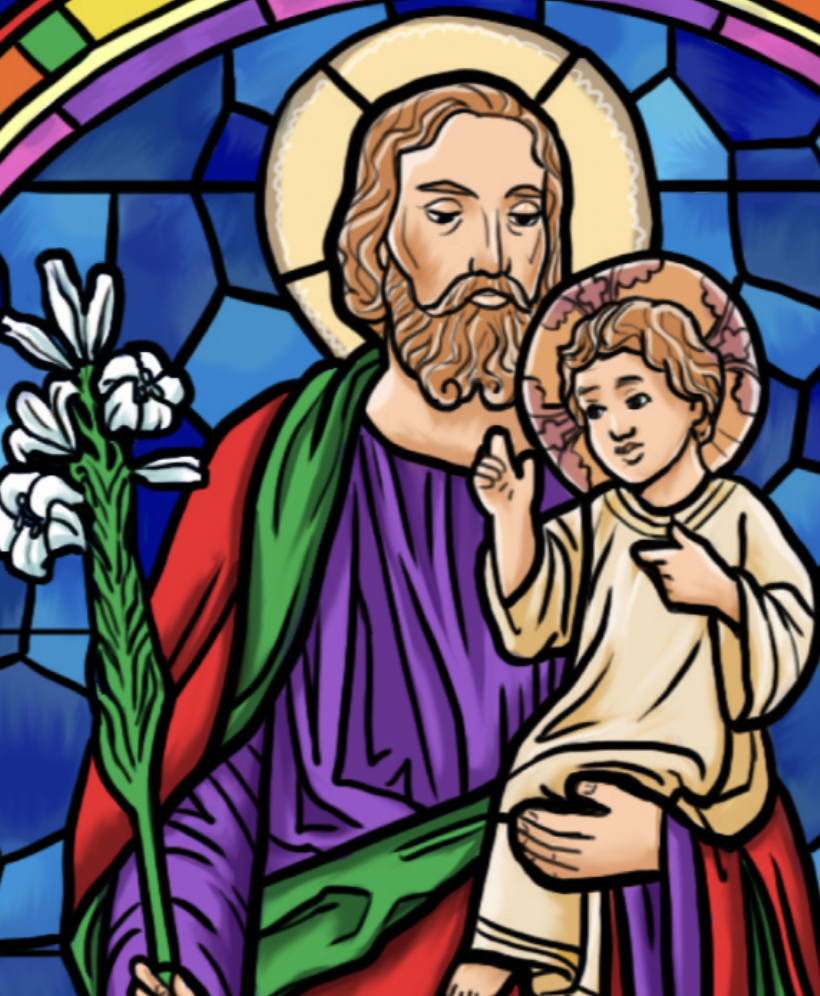
St. Joseph stained glass panel
⚜️ St. Joseph
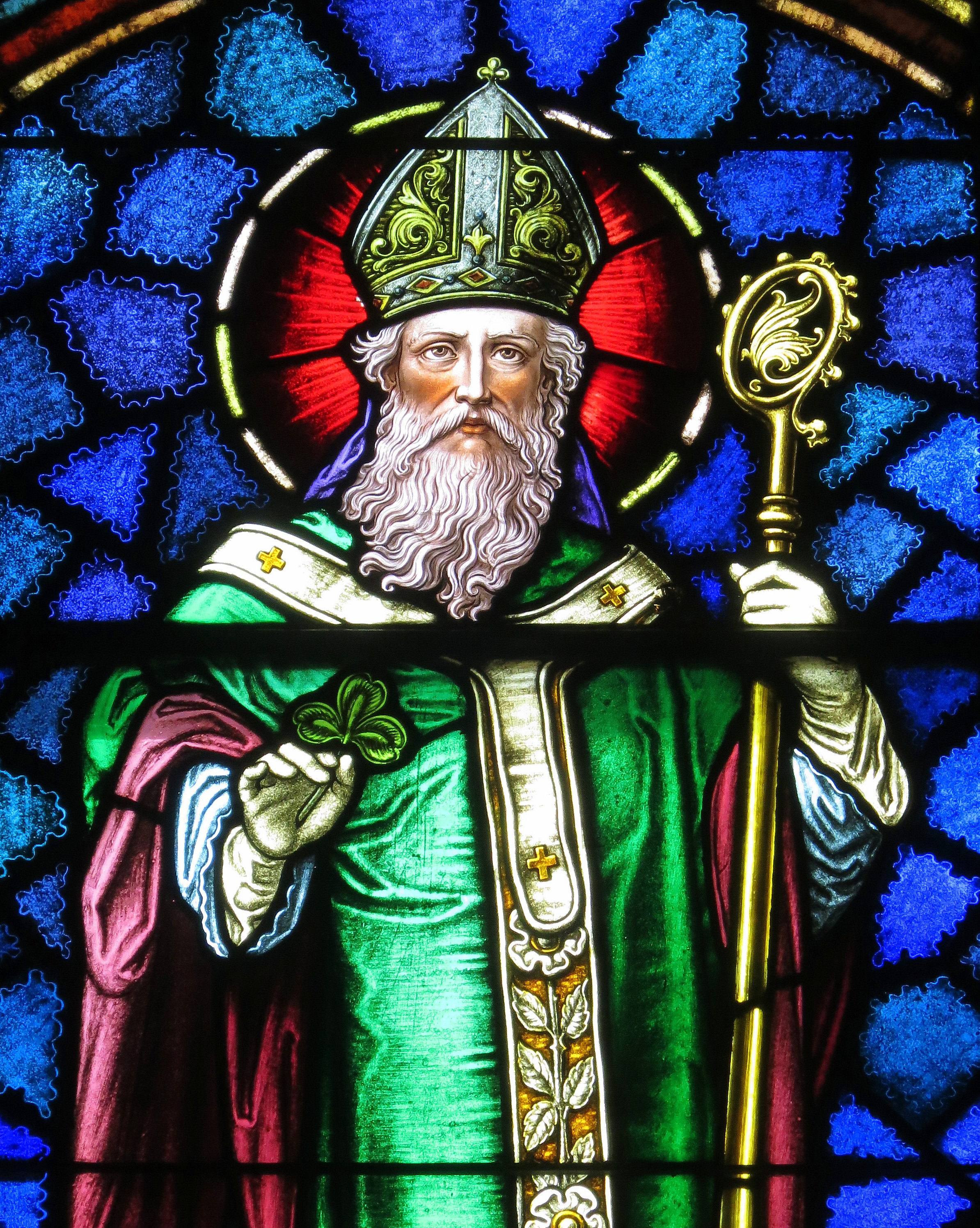
St. Patrick stained glass panel
☘️ St. Patrick
🎨 FREE CLASSROOM RESOURCE

Saints of March Stained Glass Coloring Pack

All three March saints — David, Joseph, and Patrick — rendered as stained glass window illustrations, ready to print and color. A beautiful complement to this guide's cultural and historical content.

Print one per student · No prep required · Pairs with any section of this guide

🗓️ Why March?
🗺️ A Month of Saints: Setting the Stage

March is a remarkable month in the Christian liturgical calendar — and in the cultural lives of communities stretching from the western tip of Wales to the streets of Buenos Aires and Manila. Three feast days fall within its span, each honoring a saint whose story is tangled with history, legend, geography, and deeply human questions about courage, identity, and belonging.

Most American students know something about St. Patrick's Day — the green, the parades, the shamrocks. Fewer know that St. David, the gentle patron of Wales, is celebrated just sixteen days earlier, or that St. Joseph's Day on March 19th is a beloved feast across Italian, Sicilian, Spanish, and Latin American communities where it honors fathers everywhere.

🎯 Pedagogical Invitation: This guide treats these three saints not as religious instruction but as windows into culture, history, and the very human way communities tell stories about who they are. Students needn't share any faith to find these stories fascinating — they're about real (or possibly real!) people from the ancient world, and what happened to their memories over centuries.

Who Were the Saints, Really?

Here is something wonderful to share with students: historians genuinely argue about all three of these men. Saints often become larger than life — their stories gathering miracles, legends, and cultural meaning like a snowball rolling downhill. Part of what makes them interesting is untangling what we actually know from what people wished were true.

Topic 🏴󠁧󠁢󠁷󠁬󠁳󠁿 St. David
March 1 | Wales
🌾 St. Joseph
March 19 | Global
☘️ St. Patrick
March 17 | Ireland
Lived c. 500–589 AD c. 1st century BC/AD c. 385–461 AD
From Wales (Ceredigion, Britain) Bethlehem / Galilee, Judea Roman Britain (not Ireland!)
Symbol Leek 🌿 / Daffodil 🌼 Lily ⚜️ / Carpenter's tools 🪚 Shamrock ☘️ / Serpent 🐍
Known for Monastic scholar, vegetarianism, eloquent preacher Husband of Mary, foster father of Jesus, patron of workers Missionary to Ireland, enslaved as a teen, drove out "snakes"
Where celebrated Wales, Welsh diaspora worldwide Italy, Sicily, Spain, Latin America, Philippines, and more Ireland + globally (most celebrated national saint's day in the world)
🏴󠁧󠁢󠁷󠁬󠁳󠁿 St. David — March 1
🌼 Who Was St. David? The Quiet Saint of Wales

Of the three saints in this guide, St. David (Welsh: Dewi Sant) is the least familiar to most American students — yet his story is one of the richest. He is the patron saint of Wales, celebrated on March 1st, and his memory is preserved through language, landscape, and centuries of Welsh pride.

What We Actually Know (and Don't Know)

Most of what we know about David comes from a text called the Buchedd Dewi ("Life of David"), written around 1090 AD by a scholar named Rhygyfarch — roughly 500 years after David lived. Modern historians approach this source with care: Rhygyfarch had political motivations (he wanted to establish the Welsh church's independence from Canterbury), which may have colored how he told David's story.

What historians consider likely: David was born around 500 AD in the region of Ceredigion in western Wales. He founded a monastery in the valley of Glyn Rhosyn in Pembrokeshire — the site where St. David's Cathedral stands today (the smallest city in Britain, but with one of its most magnificent cathedrals).

🏰 A Living Location: St. David's Cathedral in Pembrokeshire, Wales, still stands on the site of David's original monastery. It remains an active place of worship and pilgrimage — one of the great medieval cathedrals of Britain, set in a valley so you don't see it until you're practically at its door.

David the Monk: A Life of Radical Simplicity

David's monastic rule was famously strict — so strict his monks were sometimes called "watermen" because they drank only water and ate only bread, salt, and herbs. His monks pulled the plough themselves rather than using animals. No one could claim personal possessions — even saying "my book" was considered wrong.

David preached vegetarianism and abstained from meat and beer. He believed in what we might today call mindful living: the monks spent evenings in prayer, reading, and writing rather than in leisure or entertainment.

The Famous Miracle at Brefi

Around 550 AD, David attended a large church assembly called the Synod of Brefi, called to oppose a theological movement called Pelagianism. According to the legend, the crowd was so vast that people at the back couldn't hear the speakers. When David rose to preach, the ground beneath him rose up to form a small hill so everyone could see and hear him. A white dove — which became his emblem — settled on his shoulder.

The village of Llanddewi Brefi in Ceredigion still exists, and local tradition marks the spot where this miracle supposedly occurred.

The Leek and the Daffodil

Wales has two national symbols associated with St. David's Day: the leek and the daffodil. The leek connection goes deep — so deep that Shakespeare referenced it in Henry V, written around 1599. In a famous scene, a Welsh soldier named Fluellen reminds King Henry that Welsh soldiers wore leeks in their caps during a famous battle:

"If your Majesty is remembered of it, the Welshmen did good service in a garden where leeks did grow, wearing leeks in their Monmouth caps..." — Fluellen in Shakespeare's Henry V, Act IV Scene 7

The daffodil became associated with St. David's Day partly because it blooms in Wales around March 1st, and partly because the Welsh word for daffodil (cenninen Bedr) is similar to the word for leek (cenninen) — some scholars think a translation mix-up centuries ago helped both symbols stick.

His Last Words: A Teaching for Children

According to tradition, David's last words to his monks were: "Do the little things" (Welsh: Gwnewch y pethau bychain). This phrase — still deeply cherished in Welsh culture — captures something essential about his character: greatness found in everyday kindness, small acts of faithfulness, and quiet integrity rather than grand gestures.

🏴󠁧󠁢󠁷󠁬󠁳󠁿 Wales Today: Wales is one of the four nations of the United Kingdom, with about 3.1 million people. It has its own devolved government, parliament, and — crucially — its own language, Welsh (Cymraeg), one of the oldest living languages in Europe. On St. David's Day, people wear daffodils and leeks, participate in parades, and many schools have children dress in traditional Welsh costume. The Welsh language uses the occasion to celebrate Welsh identity and heritage.

🏫 Teaching St. David: Classroom Ideas by Grade

🌱 Grades K–1

Story Focus: David helped people hear his words by standing on a hill. A dove came to sit on his shoulder.

Vocabulary: Wales, leek, daffodil, monastery (a place where people live and study together)

Activity: Draw or paint a daffodil. Discuss: "What are some 'little things' you do that help other people?"

📗 Grades 2–3

Geography: Locate Wales on a map. Discuss: What do you notice about where Wales is? (Island? Peninsula? Near water?)

History/Mystery: What is a saint? How do we know things about people who lived 1,500 years ago?

Activity: Compare the leek and daffodil — how are they alike/different? Why might a country pick a vegetable as a symbol?

📘 Grades 4–5

Primary Source Thinking: Rhygyfarch wrote about David 500 years after he lived. How does that affect what we believe? Compare to how we'd write about someone who lived in the 1500s now.

Research Project: Explore the Welsh language. How many Welsh speakers exist today? What does language preservation tell us about cultural identity?

Literature Connection: Read the Shakespeare excerpt from Henry V. What does it reveal about Wales in Shakespeare's time?

👪 Inviting Welsh-Heritage Families into Your Classroom

If you have students with Welsh, British, or Celtic heritage, St. David's Day (March 1) is a wonderful opportunity to invite authentic sharing. Consider asking:

  • Would a family member be willing to share how they celebrate St. David's Day?
  • Can they teach students a few words in Welsh? (Try Diolch = "thank you," Bore da = "Good morning")
  • Might they bring or share a traditional Welsh food — Welsh cakes (small griddle scones) are a beloved treat?

Welsh communities exist across the United States, particularly in Pennsylvania (which has a "Welsh Tract"), Ohio, and Patagonia, Argentina (which has a remarkable Welsh-speaking community).

🌾 St. Joseph — March 19
⚜️ Who Was St. Joseph? The Silent Guardian

St. Joseph is in some ways the most mysterious of our three March saints: in the New Testament, he never speaks a single recorded word. He is described as a carpenter (or craftsman — the Greek word tekton can mean builder or artisan), the husband of Mary, and the foster father who raised Jesus. Yet despite his silence in scripture, Joseph has become one of the most beloved saints in the Catholic tradition — patron of workers, fathers, families, and a peaceful death.

📚 Historical Context for Educators: Unlike Patrick or David, Joseph is a biblical figure. He appears primarily in the Gospels of Matthew and Luke. Historical information about him outside scripture is essentially nonexistent — he lived in Roman-occupied Judea in the first century. What we know comes from religious tradition, not independent historical documentation.

St. Joseph's Day as Father's Day

In many parts of the world — particularly Italy, Sicily, Spain, Portugal, and Latin America — March 19th is celebrated as a day to honor all fathers, much like the United States celebrates Father's Day in June. In Spain and Latin American countries influenced by Spanish tradition, March 19 is literally called Día del Padre (Father's Day). The connection is direct: Joseph is the model of fatherhood — protective, hardworking, present, faithful.

In the Philippines, Belgium, Canada, and many other countries, March 19 carries similar family-centered significance.

The Sicilian St. Joseph's Table: A Tradition of Gratitude

One of the most vivid St. Joseph traditions comes from Sicily, the large island off the southern tip of Italy. According to legend, during a severe famine in the Middle Ages, the Sicilian people prayed to St. Joseph for relief. When the rains came and the fava beans — a hardy crop — survived and fed the hungry, they celebrated with a feast of thanksgiving.

The tradition of the St. Joseph's Table (Tavola di San Giuseppe) continues today in Sicilian-American communities across the United States, particularly in New Orleans, where it is especially celebrated. Families and churches create elaborate altars piled high with food — breads baked in symbolic shapes (staffs, crosses, birds), pastries, vegetables, and dishes — which are then shared freely with neighbors and the poor. The tables are acts of both gratitude and generosity.

🍋 Fun Fact: Traditional St. Joseph's Table foods are meatless (it falls during Lent). Fava beans are left at the door or handed out as good luck tokens. In many Sicilian-American traditions, a family displays a small shrine or table of food that any neighbor may come and eat freely — an act of intentional sharing with the community.

Zeppole: The St. Joseph's Day Pastry

Zeppole di San Giuseppe — cream-filled fried pastries topped with a cherry — are the traditional sweet of this feast day, especially in Naples and across the Italian diaspora. Italian bakeries still sell them on March 19th, often in enormous quantities.

St. Joseph as Patron of Workers

In 1955, Pope Pius XII established a second feast day for Joseph: May 1 (St. Joseph the Worker), intentionally aligned with International Workers' Day. The reasoning: Joseph was a working man, someone who provided for his family through skilled craft and honest labor. Celebrating him affirms the dignity of work — a theme with resonance for communities of workers worldwide, and a counterpoint to purely commercial notions of success.

🌍 Global Footprint: St. Joseph's Day is a public holiday in some regions of Spain and Italy. Beyond Catholicism, Joseph is revered in the Eastern Orthodox Church and is mentioned in Islam (though not canonized). His feast day on March 19 connects communities from the Philippines to Malta, from New Orleans to Buenos Aires.

🏫 Teaching St. Joseph's Day: Classroom Ideas by Grade

🌱 Grades K–1

Core Idea: Many countries around the world celebrate fathers on March 19! Just like we celebrate Father's Day in summer, some families celebrate it in March.

Activity: Draw a picture of someone in your family (or community) who takes care of you. Write one thing they do for you.

Food Connection: Discuss: "What foods does your family eat when you want to celebrate something?"

📗 Grades 2–3

Geography/Culture: Locate Sicily and Italy on a map. Why might an island community have strong traditions around sharing food?

History of Traditions: The St. Joseph's Table tradition began in response to a famine. Discuss: How do communities remember hard times through food and celebrations?

Activity: Design a "Gratitude Table" — what foods or objects would you put on a table to say "thank you" for something in your life?

📘 Grades 4–5

Migration & Culture: Trace how Sicilian immigrants brought St. Joseph's Day traditions to New Orleans and other U.S. cities. How do immigrant communities preserve heritage?

Compare & Contrast: Father's Day in the United States vs. Día del Padre in Spain/Latin America. Same basic idea, different roots. What does this tell us?

Research: Investigate another St. Joseph's Day tradition from a different country (Malta, Philippines, Bolivia).

👪 Inviting Italian, Sicilian, Spanish & Latin American Families

St. Joseph's Day is one of the richest opportunities to invite authentic cultural sharing, as the traditions are often deeply embedded in family life. Consider asking:

  • Does your family celebrate March 19th as Father's Day or in any special way?
  • Are there traditional foods or dishes your family makes around this time?
  • Would a family member be willing to share a recipe, or explain the tradition of the Tavola di San Giuseppe?
  • Filipino families may also have St. Joseph's Day traditions worth exploring.

Note: Even secular Italian-American families often maintain St. Joseph's Day food traditions as cultural heritage, regardless of religious observance.

☘️ St. Patrick — March 17
☘️ Who Was St. Patrick? The Man Behind the Green

Of our three March saints, Patrick is simultaneously the most famous and the most misunderstood. His name is known worldwide. But the historical Patrick — born around 385 AD — is a far more complex and interesting figure than green beer and leprechauns suggest.

Was St. Patrick Irish?

Here is the first great surprise: St. Patrick was not Irish. He was born in Roman Britain — most likely in what is now either Scotland or Wales. (His own writings say his father's estate was near a place called "Bannavem Taberniae," which scholars have never conclusively identified.)

Patrick himself wrote about his origins in the Confessio, a remarkable spiritual memoir — one of the few pieces of writing from 5th-century Britain we actually have. In it, he describes growing up in a comfortable Romano-British family. His father was a deacon and his grandfather a priest. Patrick freely admits he wasn't particularly devout as a child.

✍️ Primary Source: Patrick's Confessio is an extraordinary document — a personal account written in Latin by a man reflecting on his own life. It is available online (confessio.ie) and can be accessed in translation. This is genuinely rare: we don't have personal memoirs from most people of his era.

But Did Italians Claim He Came From Rome?

You asked a great question! There is indeed an Italian tradition that Patrick was born in a town called Calvisano near Brescia in northern Italy — sometimes called "San Patrizio" there. Some local legends connect a bishop named "Patrizio" to the area. However, mainstream historians and the Catholic Church do not support this origin story. Patrick's own writings describe a family in Roman Britain, and his Latin style suggests a British rather than Italian education. The Calvisano connection appears to be a case of local pride attaching itself to a famous name — a very human and understandable impulse! — rather than documented history. It's a wonderful example of how saints' stories travel and adapt.

Enslaved at 16: The Formative Tragedy

When Patrick was about 16, Irish raiders attacked his family's estate and took him captive. He was brought to Ireland and worked as a shepherd — alone, in an unfamiliar landscape, separated from everything he knew. He writes movingly about this period in the Confessio: it was during his years of slavery that he turned deeply to prayer and faith.

After about six years, Patrick escaped. He found a ship and made his way back to Britain, reuniting with his family. But then — in a turn that defines his legacy — he had a dream in which he heard "the Voice of the Irish" calling him to return. He became a priest, and then a bishop, and returned to Ireland not as a prisoner but as a missionary.

What He Actually Did in Ireland

Patrick spent decades traveling across Ireland, baptizing thousands of people, establishing churches, and founding monastic communities. His missionary work was controversial among church leaders — there were accusations against him that he addressed in the Confessio. He worked in a land without established Roman infrastructure, learning the language and culture of a people who had once enslaved him.

The idea that Patrick "drove snakes out of Ireland" is almost certainly metaphorical — snakes are often used in Christian symbolism to represent evil or paganism. (Ireland has no native snake population, a fact that may have given the legend legs.) The shamrock story — that Patrick used its three leaves to explain the Christian Trinity — is a beloved later legend not found in early sources.

St. Patrick's Day: From Sacred to Secular

For centuries, March 17 was a quiet religious feast day in Ireland — churches, prayer, and simple celebration. Irish immigrants to America in the 19th century (especially during and after the Great Famine of the 1840s, when millions fled Ireland) transformed it into something else: a proud, public assertion of Irish identity in a country that often treated the Irish with hostility. The parades, the green, the community — these were acts of solidarity and visibility.

Today, St. Patrick's Day is celebrated in more countries than any other national saint's day — a remarkable testament to the Irish diaspora's global footprint. In Ireland itself, the day retains more of its religious and cultural character, even as global celebrations have become, as one scholar put it, "an excuse to wear green and heavily drink."

🌍 Global Reach: The Chicago River is famously dyed green each year for St. Patrick's Day. New York City's parade is one of the oldest in the world. Sydney, Buenos Aires, Tokyo, and Moscow have held St. Patrick's Day events. The day's global spread reflects both Irish emigration history and a broader cultural appetite for celebration — though critics note it can reduce a complex culture to caricature.

🤔 Addressing Misconceptions About St. Patrick's Day

❌ Myth: "St. Patrick was Irish."

✅ Truth:

Patrick was born in Roman Britain (possibly Scotland or Wales). He became the patron saint of Ireland because of the decades he spent there as a missionary — but he was brought there first as an enslaved teenager, not by choice.

❌ Myth: "St. Patrick drove the snakes out of Ireland."

✅ Truth:

Ireland has no native snakes — there were none to drive out. Most historians believe this is a metaphorical story, with "snakes" representing the old pagan religion. It also may echo a common motif in medieval saint stories about overcoming evil.

❌ Myth: "The Irish have always celebrated St. Patrick's Day with big parades and green beer."

✅ Truth:

The rowdy, large-scale public celebration is primarily an Irish-American invention. Ireland's celebrations were quieter and more religious for centuries. America's parades emerged from immigrant communities asserting their identity and dignity in a hostile environment.

❌ Myth: "St. Patrick's color is green."

✅ Truth:

Historically, the color associated with St. Patrick and Ireland was blue — a shade called "St. Patrick's blue" still appears in the Irish presidential standard. Green became associated with Ireland much later, partly through nationalist movements in the 18th century and partly through the striking greenness of the Irish landscape.

❌ Myth: "St. Patrick was born in Rome" (the Italian claim)

✅ Truth:

Some Italian localities claim Patrick, but his own writings describe a family in Roman Britain. There is no serious historical or scholarly support for an Italian birth. Patrick's Latin style, family description, and the context of his writings all point to Britain. This is a fascinating example of how famous figures attract competing origin legends.

🏫 Teaching St. Patrick: Classroom Ideas by Grade

🌱 Grades K–1

Core Story: Patrick was a boy who had to go far from home. He learned to be brave and helped many people.

Symbol Exploration: The shamrock has three leaves on one stem — Patrick used it to explain something complicated. What's something you explain using something simple?

Activity: Make a shamrock with three leaves. On each leaf, write or draw something you're grateful for.

📗 Grades 2–3

Historical Thinking: Patrick wrote his own memoir! What would you write in your memoir? What would people 1,500 years from now wonder about your life?

Immigration Connection: Why did millions of Irish people leave Ireland in the 1840s? (Potato famine, British policies) How did they keep their culture alive in a new country?

Activity: Find Ireland on a map. How far is it from your community? Trace where Irish immigrants settled in the United States.

📘 Grades 4–5

Primary Source Analysis: Read excerpts from Patrick's Confessio (age-appropriate translation available at confessio.ie). What do his own words tell us about him that legends don't?

Historical Inquiry: How did St. Patrick's Day change when Irish immigrants came to America? What does that tell us about how culture adapts?

Critical Media Literacy: Compare how St. Patrick's Day is marketed commercially vs. how it's observed in Ireland. Who benefits from the commercial version? What is lost?

👪 Inviting Irish & Celtic Heritage Families

March 17 brings an opportunity to go deeper than green decorations. Consider:

  • Invite families to share how St. Patrick's Day is (or isn't!) observed in their home — and why.
  • Ask if anyone has visited Ireland, or has family stories about immigration.
  • A family member might teach a few words in Irish (Gaeilge): Dia dhuit (Hello), Go raibh maith agat (Thank you).
  • Traditional Irish music (the bodhrán drum, uilleann pipes, fiddle) is a wonderful classroom experience — short YouTube demonstrations work well.

Note: Not all Irish-heritage families observe St. Patrick's Day religiously. Some may celebrate it as cultural pride; others may find the commercialized version frustrating. Both perspectives are worth honoring.

🌍 Across All Three Saints
🔍 Legend vs. History: A Teachable Theme Across All Three

One of the richest gifts these three saints offer is the opportunity to think critically about how we know what we know — and how communities shape the stories of people they love.

🎓 Core Historical Thinking Skill: When we only have sources written decades or centuries after someone lived, and when those sources were written by people with their own interests and agendas, how do we evaluate what's true? This question is at the heart of the discipline of history — and it applies to these three saints perfectly.

Discussion Questions by Grade

🌱 K–1 Questions

  • What is a legend? What is a true story?
  • Why do people tell stories about people they love?
  • What are some symbols in your family that are special?

📗 Grades 2–3 Questions

  • What makes a person a hero in their community?
  • If someone wrote a story about you 500 years from now, what might get mixed up?
  • Why might a community want to have a patron saint?

📘 Grades 4–5 Questions

  • All three saints have disputed birthplaces or origins. Why might communities want to "claim" a famous person?
  • How do celebrations change over time? Is that a problem?
  • Compare the three saints: Which seems most historically documented? Which is most legendary? What evidence do you use?
🎨 Cross-Curricular Activities: All Three Saints

🗺️ Geography & Map Skills

Create a map of the British Isles and surrounding Europe. Mark Wales, Ireland, Italy/Sicily. Add migration arrows showing where communities spread across the world. Where are Welsh, Irish, and Italian/Sicilian communities found today?

📖 Language Arts / Writing

K-1: Write a sentence about what you would do if you were far from home.
2-3: Write a "legend" about a real person you admire — what miracle would you give them?
4-5: Write a brief autobiography in the style of Patrick's Confessio. What would historians reading it need to know to understand your time?

🎨 Visual Arts

Research Celtic knotwork, Sicilian ceramic art (maiolica), and traditional Irish illuminated manuscripts like the Book of Kells. Students choose one tradition to study and create their own artwork inspired by its patterns. Discuss: How does art keep culture alive?

🍽️ Cultures Through Food

Explore symbolic foods: the Welsh leek, the Sicilian fava bean, Irish soda bread. Research what each food means culturally. (Note: food activities should be allergy-sensitive — focus on research and discussion rather than cooking if needed.) Discuss: Why do foods become symbols?

🎵 Music & Oral Tradition

Listen to traditional Welsh choral music (Wales is famous for its male voice choirs), Irish folk music, and Italian/Sicilian folk songs. Discuss how music carries cultural memory. Compare instruments: the Welsh harp, Irish fiddle and bodhrán, Italian accordion.

🧮 Math & Social Studies

Research Irish emigration statistics: how many people left Ireland during the famine? What fraction of the population? Map where they went. Use this to introduce concepts of push/pull factors in migration — a foundation for later social studies work.

The "Do the Little Things" Project (David's Last Words)

St. David's final words — "Do the little things" — make a beautiful classroom project that can run across all of March. Students commit to one small act of kindness each day and record it. At the end of the month, share: What happened when you did little things? How did it feel? Did anyone notice? This connects to social-emotional learning as well as the historical content.

Cultural Sensitivity Guidelines for Educators

What to Do

  • Distinguish celebration from instruction: You are teaching about cultural and historical significance, not promoting any religion. Frame learning as exploration of how communities mark time, express identity, and tell stories.
  • Welcome all students in: Students of any background can appreciate these stories. A Muslim student can find the story of a man enslaved and finding his purpose moving. A secular student can find legend vs. history fascinating. A student with Welsh ancestry may light up with recognition.
  • Invite, don't assume: Not all Irish, Welsh, Italian, or Sicilian families observe these days the same way. Ask with genuine curiosity, never pressure.
  • Go beyond the stereotypes: Green beer and leprechauns, pizza and opera — these communities have far richer and more complex identities. Use the saints as invitations into that depth.
  • Honor the silence and uncertainty: Not knowing everything about these historical figures is a gift, not a problem. Uncertainty invites inquiry and critical thinking.

Language to Use and Avoid

✅ Use

  • "Many people who celebrate this tradition..."
  • "According to the legend..."
  • "Historians believe..."
  • "This is important to Welsh/Irish/Italian communities because..."
  • "Some families celebrate by..."

❌ Avoid

  • "All Irish people..." or "Italians always..."
  • Treating legends as confirmed historical fact
  • Reducing cultures to food, color, or costume
  • Assuming students' family practices based on their ethnicity
  • "This is what Catholics believe" (as if it applies to all students)
📚 Resources for Educators

On St. David & Wales

  • Rhygyfarch, Buchedd Dewi (Life of David) — available in English translation through Welsh academic publishers
  • The National Museum Wales (museum.wales) — educator resources on Welsh history and culture
  • Welsh Government education resources on St. David's Day (gov.wales)
  • BBC Wales Learning resources (bbc.co.uk/wales/learning)
  • For Welsh language: Say Something in Welsh (saysomethinginwelsh.com) — accessible introduction

On St. Joseph & Traditions

  • National Italian American Foundation (niaf.org) — cultural resources
  • Arthur Avenue (Arthur Avenue Little Italy in the Bronx) has documented St. Joseph's Day traditions
  • New Orleans St. Joseph's Day documentation through Louisiana State Museum and New Orleans Historical
  • For food traditions: Sicilian Cultural Society resources

On St. Patrick & Ireland

  • Farrelly, James. "The Truth About St. Patrick's Day." The Conversation, 2019. (Free, republishable under Creative Commons)
  • Patrick's Confessio — English translation at confessio.ie (Royal Irish Academy)
  • National Museum of Ireland — educator resources (museum.ie)
  • EPIC The Irish Emigration Museum, Dublin — resources on the Irish diaspora
  • For Irish language: Duolingo offers a free Irish (Gaeilge) course; TG4 (Irish language television) has accessible content

Books for the Classroom

  • St. Patrick's Day by Patricia Pingry (K-2, straightforward overview)
  • Patrick: Patron Saint of Ireland by Tomie dePaola (K-3, beautifully illustrated legend)
  • Nory Ryan's Song by Patricia Reilly Giff (4-5, historical fiction about the Famine)
  • Dragon of the Red Dawn series (Magic Tree House) — introduces Welsh and Celtic settings
  • For Welsh-interest: The Snow Spider by Jenny Nimmo — Welsh fantasy by a Welsh author

Primary Source Citations:

Rhygyfarch ap Sulien. Buchedd Dewi (Life of Saint David). c. 1090. Trans. A.W. Wade-Evans. London: SPCK, 1923.

Patrick of Ireland. Confessio. c. 5th century AD. Royal Irish Academy edition available at confessio.ie.

Farrelly, James. "The Truth About St. Patrick's Day." The Conversation, University of Dayton, March 2019. CC BY-ND. theconversation.com/the-truth-about-st-patricks-day-111396

Wikipedia contributors. "Saint Patrick's Day." Wikipedia, The Free Encyclopedia. Accessed March 2026.

Wikipedia contributors. "Saint David." Wikipedia, The Free Encyclopedia. Accessed March 2026.

Shakespeare, William. The Life of King Henry V. c. 1599. Act IV, Scene 7.

Image Suggestions: St. David's Cathedral — Wikimedia Commons (multiple CC-licensed photographs by Remi Mathis and others); St. Patrick stained glass — Andreas F. Borchert/Wikimedia Commons, CC BY-SA.

Key Takeaways for Teachers
  1. March holds three remarkable feast days — St. David (March 1), St. Patrick (March 17), and St. Joseph (March 19) — each connecting to distinct cultural communities worldwide.
  2. St. Patrick was not Irish. He was born in Roman Britain and brought to Ireland as an enslaved teenager. His own writings, the Confessio, are a rare primary source from the early medieval world.
  3. St. David's last words — "Do the little things" — offer a timeless, universal message that transcends religious context and makes a beautiful classroom theme.
  4. St. Joseph's Day functions as Father's Day across Italian, Sicilian, Spanish, and Latin American communities, and the Sicilian tradition of the communal feast table (Tavola di San Giuseppe) is a powerful model of gratitude and generosity.
  5. Legend and history are both valuable — but they serve different purposes. Teaching students to distinguish between them is one of the greatest gifts of studying these saints.
  6. Diaspora communities transform traditions. Irish-American St. Patrick's Day, Sicilian-American St. Joseph's tables, and Welsh-American traditions all show how culture adapts when communities migrate — while preserving what matters most.
  7. The Italian claim that Patrick was from Rome is not supported by historians or Patrick's own writings, but it is a fascinating example of how famous figures attract competing origin stories.