Women's Suffrage
The long fight for every woman's right to vote
A long time ago, women were not allowed to vote — that means they couldn't help choose who would lead their town, state, or country. That wasn't fair!
Many brave women stood up and said: "Our voices matter too." They marched, gave speeches, and worked together for many, many years until the rules finally changed.
But some women had an even harder fight. Black women faced unfair laws that tried to silence them. Native women saw their families torn apart and their lands taken away. Asian women faced rules that said they didn't even belong here. Their stories are just as important — and just as brave.
"I suffered enough to believe it."— Harriet Tubman, when asked if she believed women should have the vote
For over 70 years, women across America fought for the right to vote. This movement is called women's suffrage — "suffrage" means the right to vote.
On August 18, 1920, the 19th Amendment became law, giving women the right to vote. But here's something important to understand: not all women were included.
🔗 Two Fights at Once
For many women, fighting for the vote was inseparable from fighting racism. Black women faced Jim Crow laws. For Native women, the struggle went far beyond a ballot — the U.S. government was actively working to erase their nations, seize their land, and force their children into boarding schools where they were forbidden to speak their own languages. Asian women were excluded by law from becoming citizens at all. These women weren't just fighting for gender equality — they were fighting a connected battle for survival, sovereignty, and racial justice.
🔄 One Story, Repeated: Excluded, Then Building Anew
Here is a pattern that shows up again and again in suffrage history: a "universal" organization forms, women of color join or are invited, and then — slowly or quickly — they find themselves pushed to the margins while white leaders claim to speak for everyone.
It happened with NAWSA in the U.S. Some of the movement's most famous white leaders — women who had started their careers fighting against slavery — later made choices that hurt Black women directly. They told Black women to march at the back of parades. They asked Black leaders to stay off the stage at meetings to avoid upsetting white Southern women whose support they wanted. They wrote history books about the suffrage movement that left out Black women's contributions almost entirely — so that future generations would learn a story with Black women erased from it. These were not accidents. They were choices made to protect white women's advancement at the expense of everyone else.
It also happened on the world stage. In 1888, the International Council of Women (ICW) was founded — and its very first convention included Frances Ellen Watkins Harper, the great African American poet and activist, and Pandita Ramabai Sarasvati, a pioneering leader in women's education from India. But despite that beginning, the ICW quickly became a Western-dominated organization. Women of color were shut out at the local level — especially Black women in the U.S., who were refused membership by their state and local councils — long before they could ever reach the international stage.
So women of color did what they always did: they built something better. In 1922, Mary Church Terrell and others founded the International Council of Women of the Darker Races (ICWDR) — a global organization that centered women who had been excluded everywhere else.
The vote was one battle. The fight to be seen, heard, and represented was another — and it never stopped.
The real story of suffrage is bigger and braver than one group — it belongs to all the women who fought, even when their own allies let them down.
The women's suffrage movement — the decades-long campaign for women's right to vote — is often told as a triumphant story ending in 1920 when the 19th Amendment was ratified. But that framing erases the experiences of millions of women for whom 1920 was not a victory.
🔗 Understanding Intersectionality
For women of color, the fight for the vote was never separate from the fight against racism. Black women used the ballot as a tool to combat lynching and Jim Crow. Native women fought for voting rights while simultaneously defending tribal sovereignty. Asian American women led suffrage marches even while federal law barred them from ever becoming citizens. This overlap of gender, race, and legal status is what scholars call intersectionality — and understanding it changes how we tell the suffrage story.
Some white-led organizations, including the National American Woman Suffrage Association (NAWSA), compromised with racist Southern politicians — actively excluding or sidelining Black women to gain support for the amendment. Leaders like Ida B. Wells and Mary Church Terrell called this out directly, building their own organizations and demanding full equality without compromise.
⚠️ When Allies Become Obstacles
The harm done to Black suffragists by white-led organizations was not vague or incidental — it was specific, documented, and deliberate. Three examples:
Frederick Douglass and the Atlanta meeting (1895): When NAWSA held a convention in Atlanta, Susan B. Anthony — who had begun her career as a staunch abolitionist and long-time colleague of Douglass — asked him not to appear on the stage. The reason: his visible presence might offend white Southern women whose support she was trying to win. Douglass, who had spent decades advocating for women's suffrage alongside Anthony, complied. What was asked of him — to make himself invisible for the movement's strategic benefit — was the same demand being made of Black women across the country.
Opposing the 15th Amendment (1869): After the Civil War, Anthony and Elizabeth Cady Stanton opposed the 15th Amendment, which granted voting rights to Black men but not to women. Rather than arguing for universal suffrage, Anthony explicitly framed the debate as a competition — suggesting that "educated" white women deserved the vote before Black men. This argument aligned the women's suffrage movement with white supremacist logic at a critical moment, and fractured relationships with Black suffragists that were never fully repaired.
Erasing the record (1881–1922): Anthony and Stanton authored the History of Woman Suffrage — the movement's own official account. It largely omitted the contributions of Black suffragists including Mary Church Terrell and Frances Ellen Watkins Harper, constructing a white-centered narrative that shaped how the movement was taught and remembered for generations. This is one reason this guide has to exist: the erasure was written into the source material.
🔄 A Structural Pattern: Inclusion, Marginalization, Autonomous Organizing
What happened inside NAWSA was not an isolated failure — it was a pattern that repeated across organizations and across borders. In 1888, the International Council of Women (ICW) was founded as a global body for women's rights. Its founding convention was notably not all-white: Frances Ellen Watkins Harper attended as a delegate, and so did Pandita Ramabai Sarasvati, a leading women's education reformer from India. Their presence signaled possibility.
But the ICW quickly consolidated as a Western, white, middle-class institution. Its power flowed through "National Councils" — meaning women of color were excluded at the local and national levels in their own countries before they could ever reach the international stage. In the U.S., Black women were refused membership in state and local ICW-affiliated organizations, or forced into segregated spaces. White leaders presumed they could represent all women without meaningfully consulting the women most harmed by the systems they claimed to oppose.
The response followed the same logic as always: build your own. In 1922, Mary Church Terrell and a coalition of Black and women-of-color leaders founded the International Council of Women of the Darker Races (ICWDR) — an explicitly global, multiracial organization built to do what the ICW had failed to do.
The pattern — token inclusion at founding → structural exclusion in practice → autonomous organizing as response — appears across NAWSA (1890s), the ICW (1888), and beyond. Why might "universal" organizations repeatedly reproduce the same exclusions? What would a truly inclusive movement require?
"I suffered enough to believe it."— Harriet Tubman, when asked whether she believed women should have the vote. Wikipedia / Larson, Bound for the Promised Land, 2004.
Meet the women who helped make voting fairer for everyone — from across America and around the world. Tap any card to learn about her!
 Tap me!
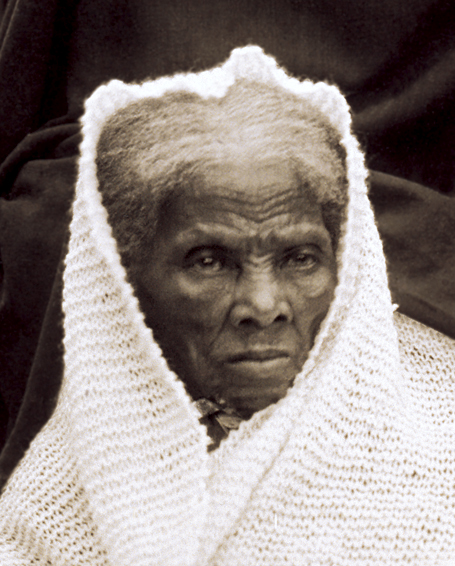
Famous for leading hundreds out of slavery, Harriet spent her later years traveling the country fighting for women's right to vote. She said her own suffering was exactly why she believed women deserved equality.
Abolitionist · Suffragist tap to flip back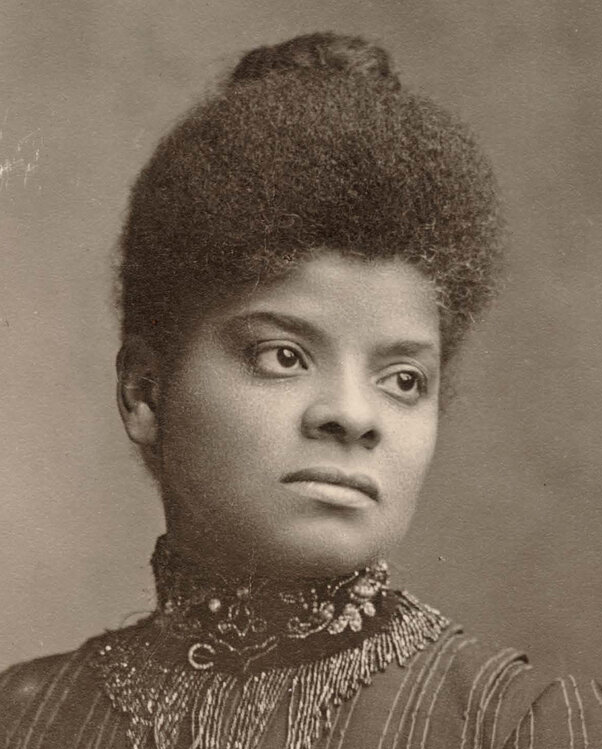 Tap me!
Ida was a brave journalist who used her newspaper to tell the truth about injustice when others stayed silent. She started a club in Chicago to help Black women use their votes — and she never backed down when people tried to stop her.
Black Suffragist tap to flip back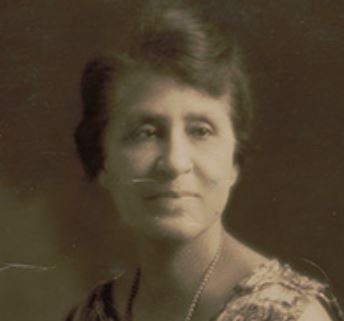 Tap me!
Mary's motto was "Lifting as we climb" — when you move forward, you bring others with you. She fought her whole life to make sure the movement helped all women, not just some. She was still protesting for equal rights at age 87.
Black Suffragist tap to flip back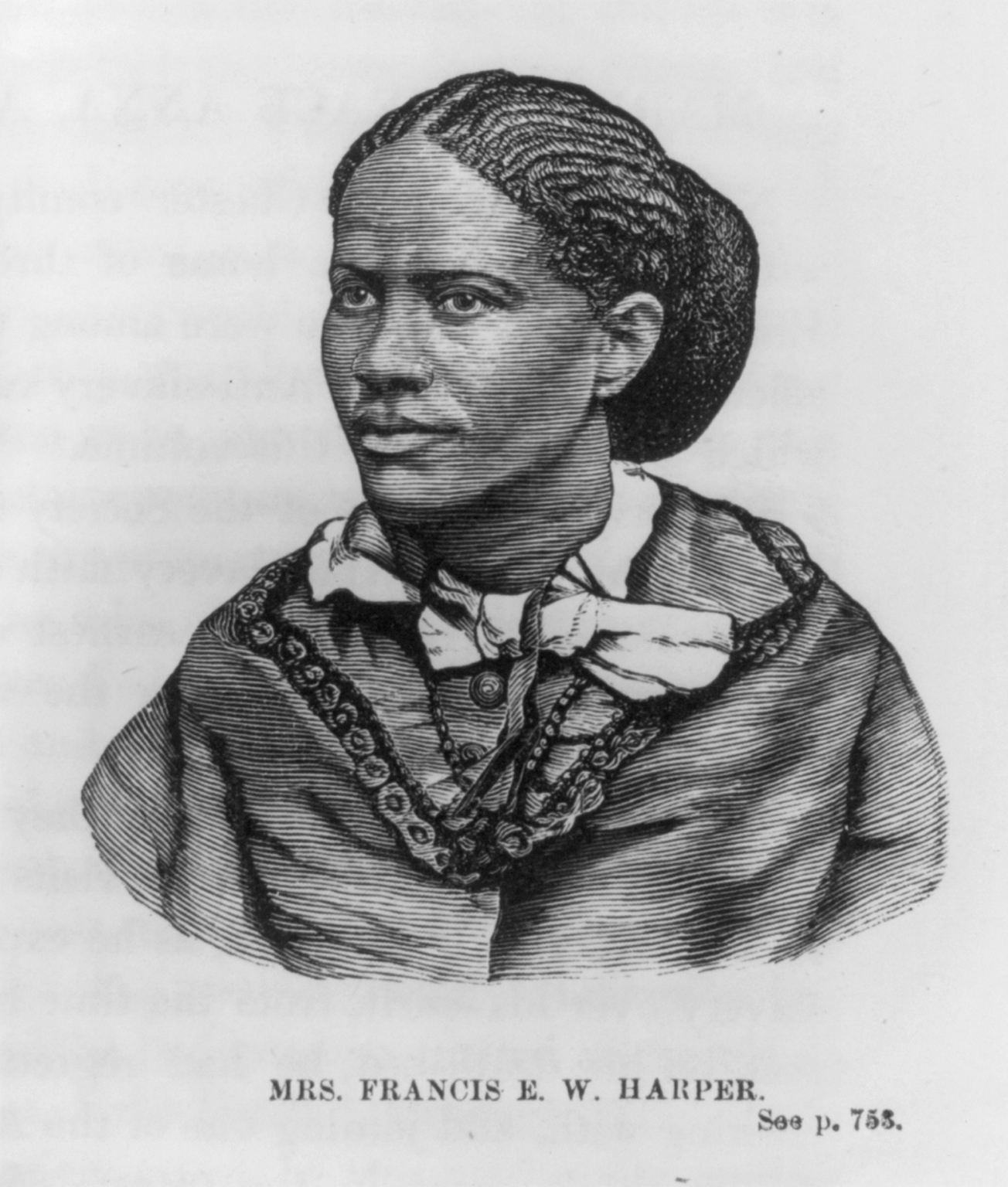 Tap me!
Frances was a poet who used her words to fight for justice. When Black women were being left out of the suffrage movement, she stood before big audiences and said: you cannot fight for women's rights while ignoring racism. Words were her weapon.
Poet · Activist tap to flip back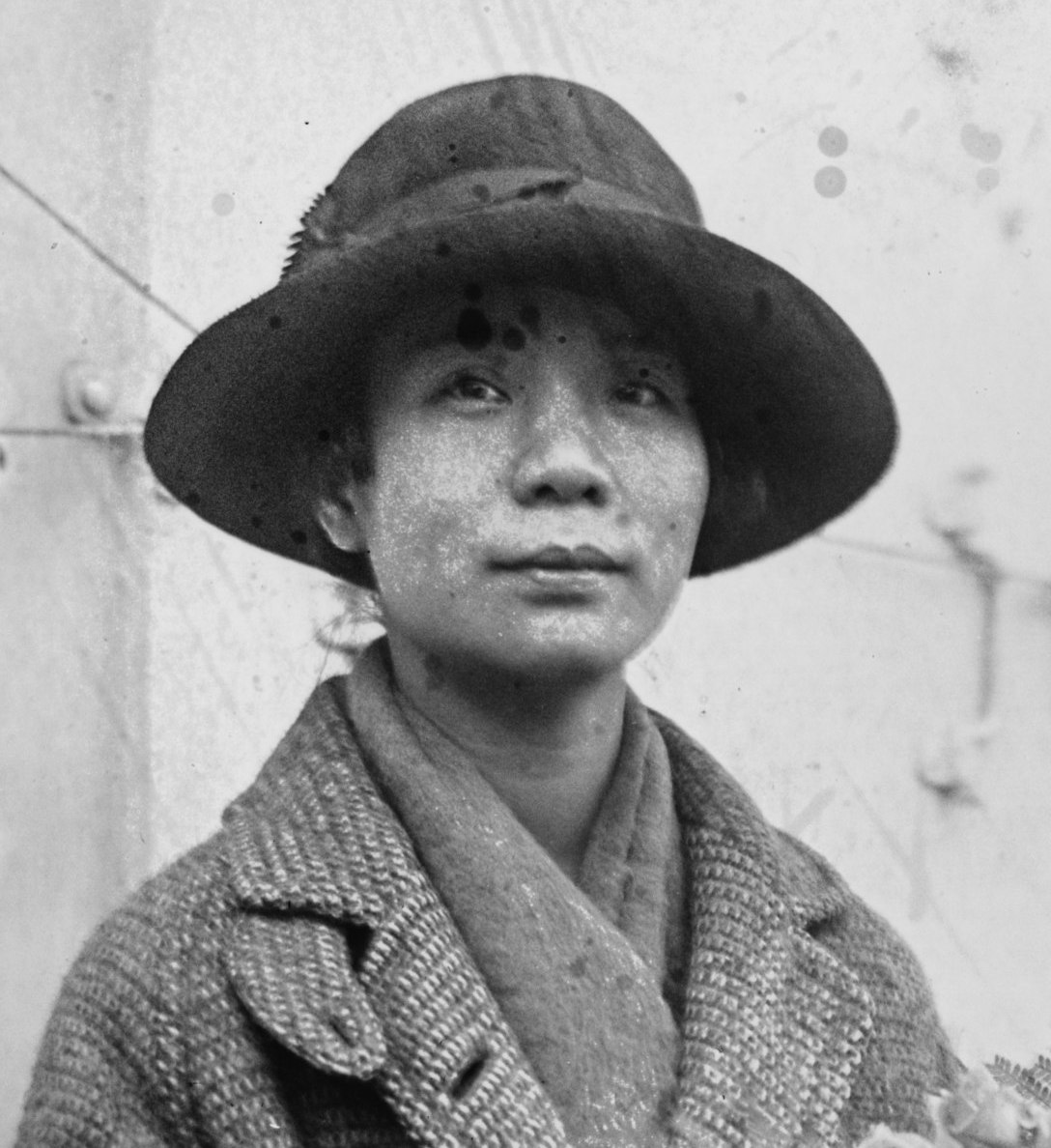 Tap me!
At just 16, Mabel rode on horseback in a huge suffrage parade in New York City. Even though an unfair law said she could never become a citizen or vote herself, she never stopped fighting for others to have that right.
Chinese American tap to flip back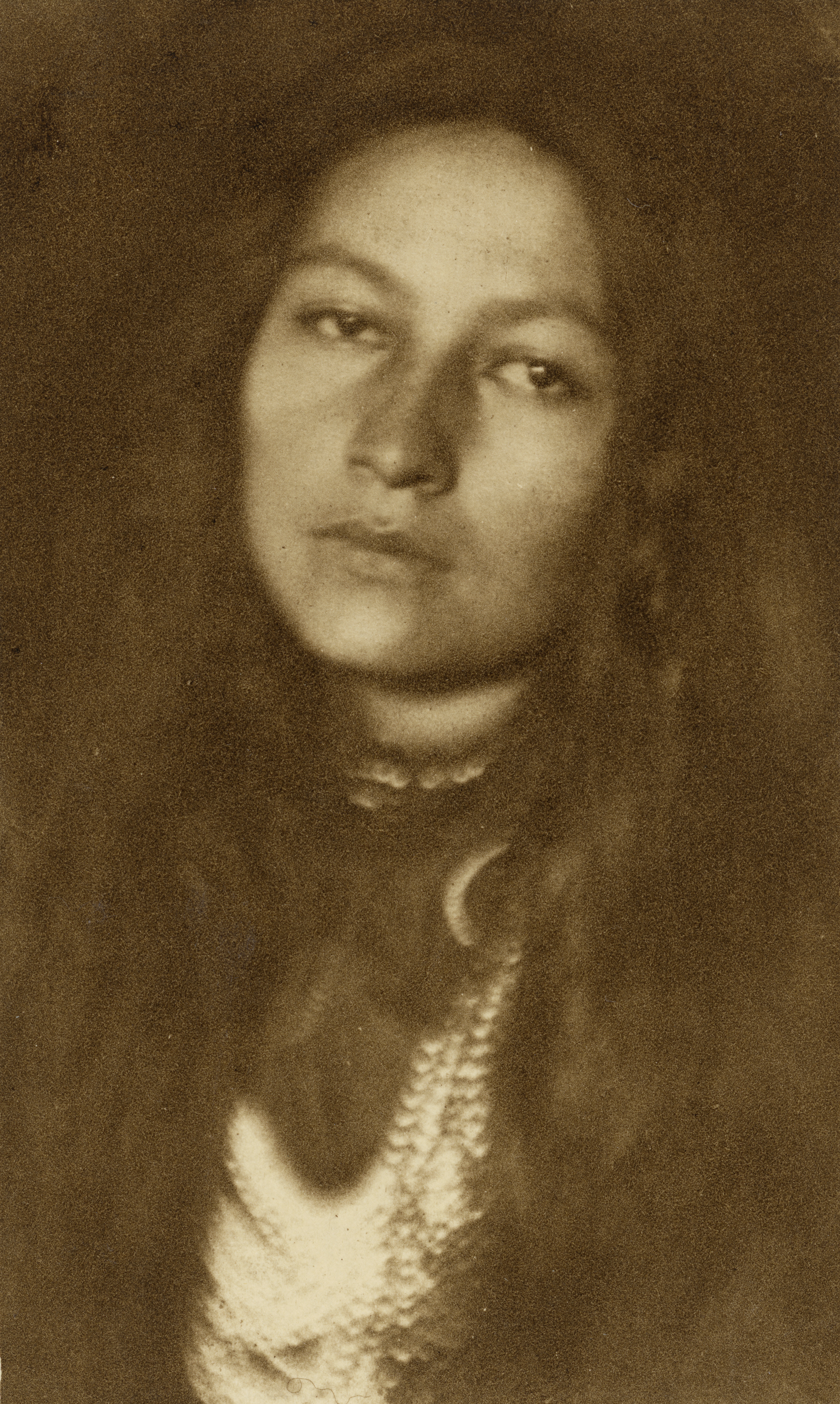 Tap me!
Zitkala-Ša was a Yankton Sioux writer and musician. When she was young, the government took her from her family and sent her to a school that tried to make her forget who she was. She never forgot — and spent her life fighting for Native people's right to vote and to stay themselves.
Yankton Sioux tap to flip back Tap me!
Her Paiute name was Thocmetony — "Shell Flower." Sarah traveled all across America telling audiences the truth about what was happening to her people. She wrote a whole book about it so no one could say they didn't know.
Northern Paiute tap to flip back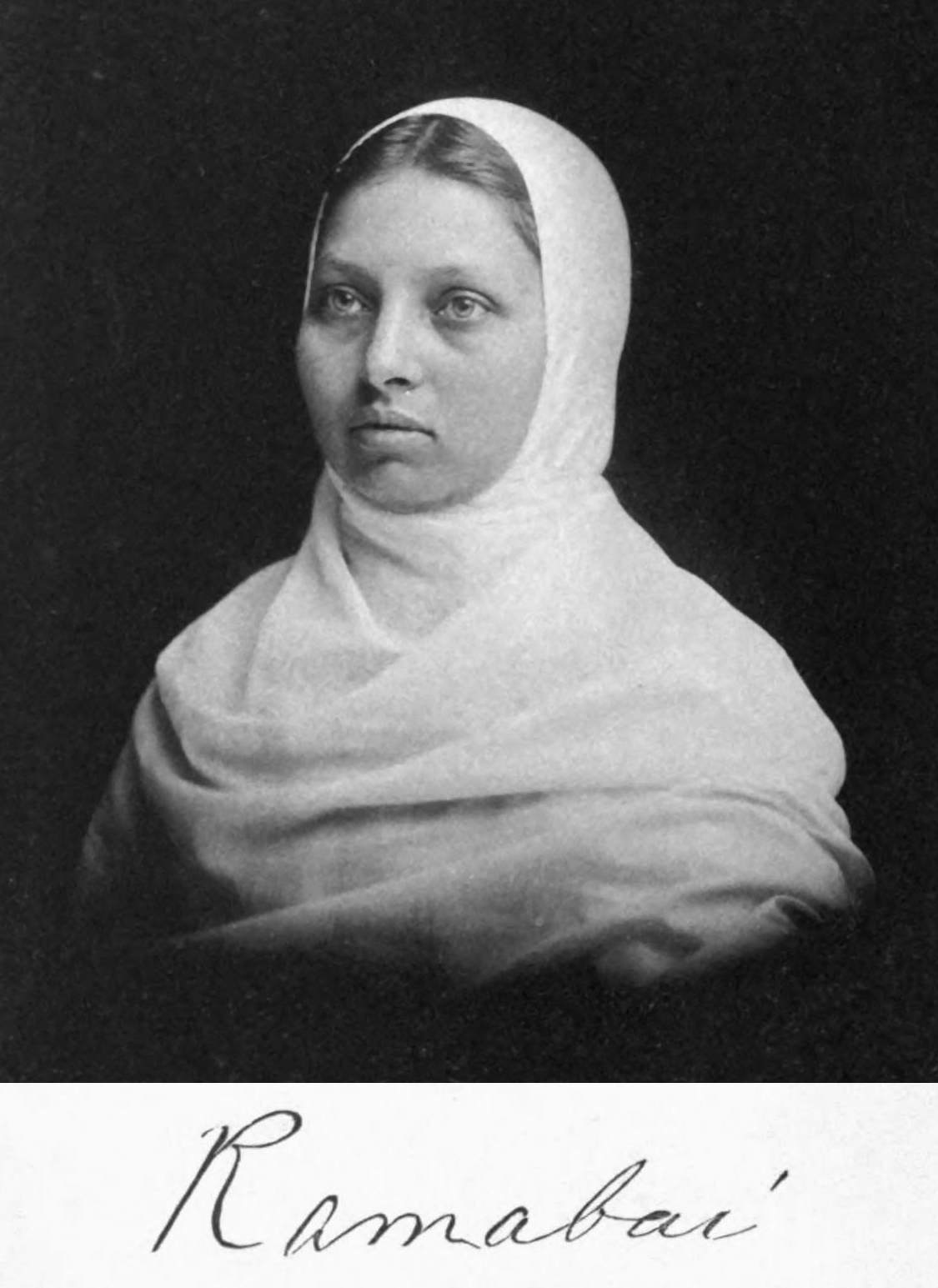 Tap me!
Pandita was a teacher and activist from India who believed every girl and woman deserved an education and a voice. She founded schools for women and girls who had nowhere else to turn — reminding us this was never just an American story.
India · Global Women's Rights tap to flip back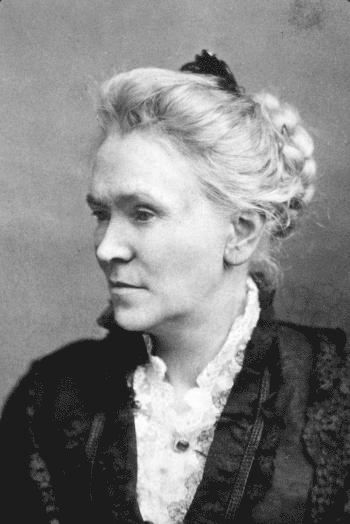 Tap me!
Matilda believed the fight for women's rights had to include everyone — she refused to leave anyone behind. The Haudenosaunee Nation honored her with the name Karonienhawi — "She Who Holds the Sky." She said she was born with a hatred of oppression.
White Ally · Haudenosaunee Honorary Member tap to flip backMany women fought for suffrage from within their own communities, building powerful movements that weren't always recognized by the history books.
Known as "Moses" for leading hundreds out of slavery, Tubman spent her later years fighting for women's voting rights. In 1896 she gave the keynote at the founding of the National Federation of Afro-American Women — building Black women's own political power.
Abolitionist · Suffragist
Ida used her newspaper to expose racial violence when the government refused to act. She founded the Alpha Suffrage Club in Chicago to organize Black women voters — and when white suffragists told Black women to march at the back of a parade, Ida walked with the Illinois delegation anyway.
Alpha Suffrage Club
Mary's motto was "Lifting as we climb" — the movement must bring everyone forward, not just those at the top. She co-founded the National Association of Colored Women and spent decades demanding that suffrage organizations face their own racism. She was still picketing for equal rights at age 87.
NACW Co-founder
A celebrated poet and abolitionist, Harper told the 1866 National Women's Rights Convention plainly: you cannot fight for women's rights while ignoring racism. She was one of the only women of color at the 1888 founding of the International Council of Women.
Poet · Abolitionist
A Yankton Sioux author and activist, she was taken from her family as a child and sent to a government boarding school where her braids were cut off against her will. She turned that experience into powerful writing arguing that Native women deserved both the vote and the right to keep their culture.
Yankton Sioux Nation
Her Paiute name was Thocmetony — "Shell Flower." She gave over 300 lectures exposing government corruption and testified before Congress. In 1883 she published Life Among the Piutes — the first memoir by a Native American woman in English.
Northern Paiute · First Native memoirist
Born in New York's Chinatown, Mabel rode on horseback in the landmark 1912 suffrage parade. The cruel irony: the Chinese Exclusion Act meant she couldn't become a citizen or vote — even after 1920. She channeled her energy into building health services for her community instead.
Chinese American Leader
An Ojibwe attorney and one of the first Native American women to earn a law degree, she testified before Congress arguing that Native women's voting rights and the protection of tribal lands were inseparable — you could not have one without the other.
Ojibwe Nation
A pioneering educator from India, she founded schools for widows, famine survivors, and women with no other options. One of the only women of color at the 1888 ICW founding, her presence reminded the world that women's struggles looked very different outside the West.
India · Global Women's Rights
One of three NWSA co-founders, Gage was the movement's most radical voice — refusing to narrow the fight to just the vote. When Anthony pushed through the conservative NAWSA merger, Gage walked out. The Haudenosaunee adopted her with the name Karonienhawi. She was erased from the history books she helped write.
White Ally · NWSA Co-founder🏫 More Than the Vote: The Boarding School System
While other suffragists were fighting for the right to participate in American democracy, the U.S. government was running a system of boarding schools designed to erase Native identity entirely. More than 20,000 Native children were in these schools by 1900 — many taken from their families by force. They were forbidden to speak their languages, given new names, and punished for any sign of their culture. Zitkala-Ša attended one of these schools and wrote about how they cut her braids off without her consent: "Then I lost my spirit." Native women weren't just asking for a vote — they were fighting to hold their families and cultures together against a system designed to destroy both.
These leaders didn't operate on the fringes of the suffrage movement — in many cases they were doing the deepest, bravest work. Understanding their strategies reveals the full complexity of what it meant to fight for the vote.
Tubman's suffragist work grew directly from her experience of having her bodily autonomy violently denied. She used her Civil War service as evidence of women's equality, gave the keynote at the founding of the National Federation of Afro-American Women (1896), and attended the NACW's second conference (1899). She had to sell a cow to afford the train ticket to her own celebration in Boston.
Abolitionist · Underground Railroad · Suffragist
Wells understood the ballot as a weapon against racial terror — specifically against lynching, which the federal government refused to outlaw. She founded the Alpha Suffrage Club in Chicago (1913) to build Black political power. When NAWSA organized a march in Washington, she was told Black women must march at the back. She walked in the Illinois delegation anyway.
Alpha Suffrage Club · NAACP Co-founder
"Lifting as we climb" was a critique, not just a motto — movements that prioritize the most privileged members leave everyone else behind. One of the first Black women to earn a college degree (Oberlin, 1884), she co-founded the NACW and later the International Council of Women of the Darker Races (ICWDR) in 1922 — a global body that centered the women everyone else kept marginalizing. She was still picketing a Washington lunch counter at age 87.
NACW Co-founder · ICWDR Co-founder
A poet, novelist, and abolitionist, Harper told the 1866 National Women's Rights Convention: you cannot fight for women's rights while ignoring racism. She was one of the only women of color at the 1888 ICW founding — a visible inclusion the organization would quickly fail to honor. Her novel Iola Leroy (1892) depicted Black women's political consciousness at a time when mainstream suffrage literature erased them.
Poet · NACW · ICW
Removed from her Yankton Sioux family at age eight and sent to a Quaker missionary school, she wrote devastatingly about having her braids cut off: "Then I lost my spirit." Her suffragist argument was uniquely complex: she insisted on citizenship rights while insisting they must not require the erasure of tribal sovereignty. She co-founded the National Council of American Indians in 1926 — continuing the struggle long after 1920, because the vote alone was never sufficient.
Yankton Sioux · NCAI Founder · Boarding school survivor
Her Paiute name meant "Shell Flower." Winnemucca watched her people forcibly relocated from the Malheur Reservation hundreds of miles from their homeland under fraudulent pretenses. She gave over 300 lectures exposing government corruption, met with President Hayes and secured a written promise to return her people to Malheur — which the government then refused to honor. Her 1883 memoir was the first book published in English by a Native American woman. She also founded a school for Paiute children in their native language — forced to close by the 1887 Dawes Act.
Northern Paiute · First Native American woman to publish in English
Lee rode on horseback through the 1912 New York suffrage parade and published a sophisticated analysis arguing that suffrage was inseparable from broader social and economic equality. After 1920, the Chinese Exclusion Act still barred her from citizenship. She could not vote until 1943 — 31 years after she marched for that right. She channeled her energy into the Chinatown Health Clinic, serving her community in ways the ballot alone never could have.
New York Chinatown · Disenfranchised Post-1920 · Voted 1943
An Ojibwe attorney and one of the first Native women to earn a law degree (Washington College of Law, 1914), Baldwin navigated a particular legal contradiction: Native Americans were not citizens, yet subject to federal authority. She argued before Congress that Native women's rights required both citizenship and treaty-guaranteed sovereignty — insisting that granting one while stripping the other was not justice but another form of dispossession.
Ojibwe · Constitutional Law
A pioneering educator and reformer from India, Ramabai founded schools and refuges for widows, famine survivors, and women living under caste oppression. One of the only women of color at the 1888 ICW founding, she co-founded the International Council of Women of the Darker Races (ICWDR) alongside Mary Church Terrell in 1922. Her presence at every international gathering was a reminder that a truly global women's movement had to reckon with the world beyond the West.
India · ICW · ICWDR Co-founder
The third member of the movement's original triumvirate alongside Anthony and Stanton — and the one most thoroughly written out of history afterward. A co-founder of NWSA and co-editor of the first three volumes of History of Woman Suffrage, Gage was more radical than either collaborator: she insisted the fight was inseparable from racial oppression and religious coercion. When Anthony engineered the conservative 1890 NAWSA merger, Gage walked away. The Haudenosaunee Wolf Clan adopted her with the name Karonienhawi — "She Who Holds the Sky." NAWSA later officially banned her book.
White Ally · NWSA Co-founder · Refused to Compromise · Erased from History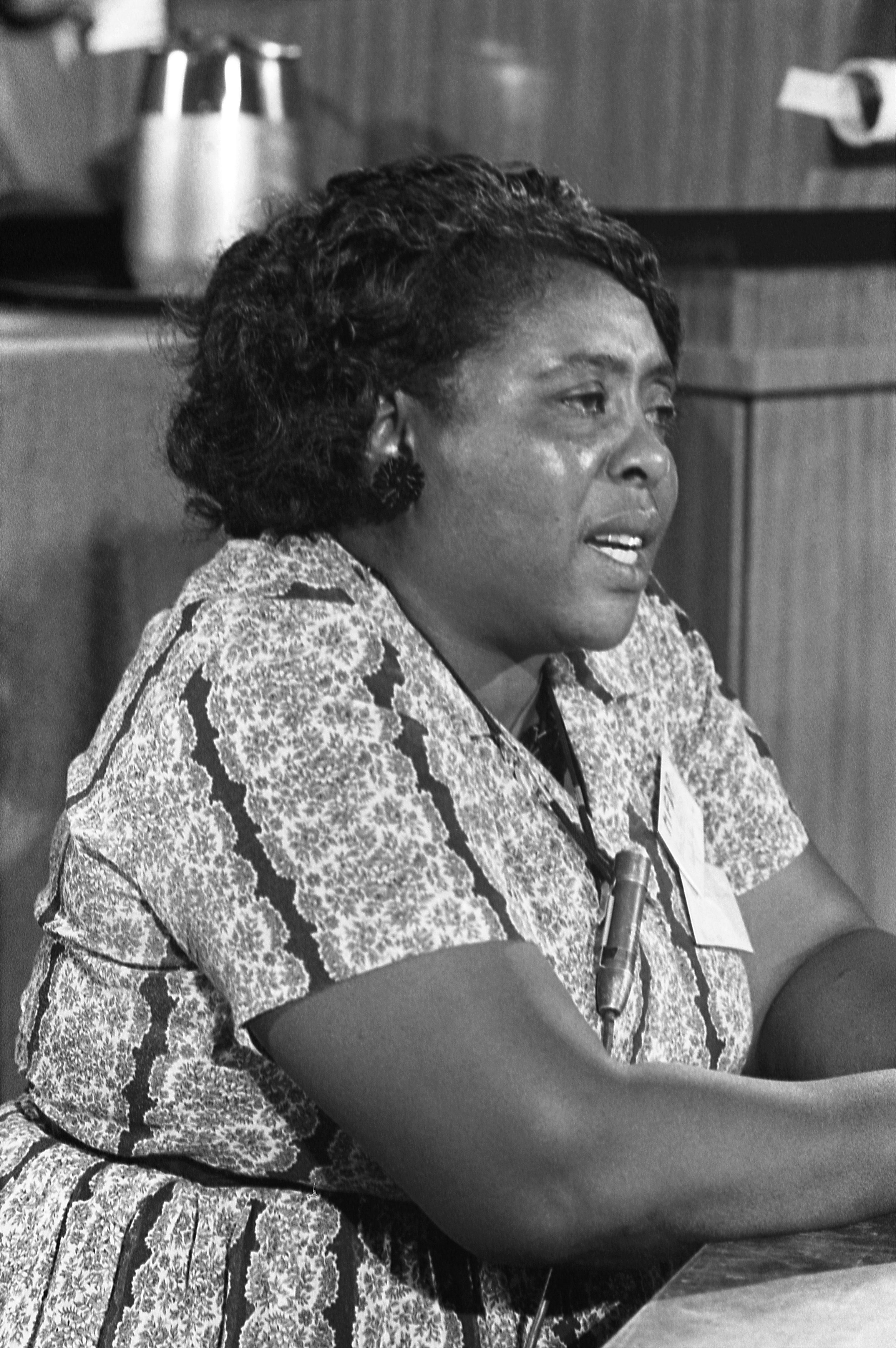
The 19th Amendment passed in 1920. Fannie Lou Hamer was still being beaten in 1963 for trying to register to vote in Mississippi. A sharecropper's daughter who became one of the most powerful voices in the Civil Rights Movement, she co-founded the Mississippi Freedom Democratic Party and delivered a nationally televised address to the 1964 Democratic National Convention that forced the country to confront how completely the promise of 1920 had been broken. "I'm sick and tired of being sick and tired." The Voting Rights Act (1965) was won in part because of what she endured and refused to stop speaking about.
Mississippi · SNCC · MFDP · Civil Rights Movement🏫 Beyond the Ballot: What Native Women Were Really Fighting
To say Native women were "denied citizenship" misses almost everything. During the suffrage era, the U.S. government was executing a systematic policy to eliminate Native peoples as distinct nations. This included: forced land seizure through the 1887 Dawes Act, which broke up communally held tribal land; forced family separation through a boarding school system that, by 1900, held 20,000 children — many taken by government agents who withheld food from families who resisted; cultural erasure through laws prohibiting Native languages, ceremonies, and names; and legal guardianship policies that classified Native people as wards of the state, stripping communities of legal autonomy entirely. Native women activists like Zitkala-Ša, Sarah Winnemucca, and Marie Louise Bottineau Baldwin were not simply asking to join American democracy — they were fighting to survive as peoples while that democracy tried to absorb and erase them.
🏛️ The Haudenosaunee Connection
Here is one of history's great ironies: early white suffragists like Elizabeth Cady Stanton and Matilda Joslyn Gage drew direct inspiration from the Haudenosaunee (Iroquois) Confederacy, whose matrilineal society gave women central authority in selecting leaders and controlling family property. Gage in particular spent significant time with the Haudenosaunee and was adopted by the Wolf Clan of the Mohawk Nation in 1893, receiving the name Karonienhawi — "She Who Holds the Sky." She wrote admiringly of Haudenosaunee women's political power and cited it as evidence that women's equality was neither radical nor unprecedented. Yet the broader suffrage movement those same women led would later compromise with anti-Native policies and support citizenship requirements that harmed Indigenous people. The democracy they fought to enter was partly modeled on a system they simultaneously helped to suppress.
📖 Whose History Gets Written — And Who Gets Left Out
The women's suffrage movement produced its own official history: The History of Woman Suffrage, authored by Susan B. Anthony and Elizabeth Cady Stanton beginning in 1881. It ran to six volumes. And it largely erased Black women from the record — omitting or minimizing the contributions of Mary Church Terrell, Frances Ellen Watkins Harper, Ida B. Wells, and dozens of others who had fought just as hard, often harder, and at far greater personal risk.
This was not simply an oversight. Anthony and Stanton made deliberate choices about whose stories to tell and whose to omit. The effect was to create a canonical narrative of suffrage that centered white women who had pursued the narrowest, most politically acceptable path. Even Matilda Joslyn Gage — a white co-founder who helped write those very volumes — was erased from the record after she refused to follow Anthony's conservative turn. The erasure of Black women was racial; the erasure of Gage was ideological. Both served the same purpose: sanitizing the movement's history into something more palatable than the messy, contested, principled struggle it actually was.
This is why the work of recovery matters. Historians like Martha S. Jones (Vanguard) and Cathleen D. Cahill (Recasting the Vote) have spent careers reconstructing what was deliberately buried. The Black Women's Suffrage Digital Collection exists because the official archives weren't enough. The guide you are reading exists for the same reason.
When you read history, it is always worth asking: Who wrote this? Whose stories did they choose to tell? Who is missing — and why?
The fight for fairness took a very long time — much longer than one person's whole life!
🏛️ 1848 — Women gathered in Seneca Falls, New York, and said: "We deserve equal rights."
🗳️ 1920 — The 19th Amendment gave some women the right to vote. But not all women were included yet.
🪶 1924 — Native American people became citizens — though many states still made it very hard for them to vote.
🗽 1943 — Chinese Americans could finally become citizens and vote.
🗳️ 1965 — A new law finally removed the unfair tricks that had kept Black people from voting for decades.
See? Fighting for fairness never really stopped — brave people kept going even after others said "we won."
Many people think the suffrage story ended in 1920. But for millions of women, the real fight was just entering a new chapter.
The standard suffrage narrative has a clear arc: Seneca Falls (1848) → 19th Amendment (1920) → victory. But this arc only works if you're telling the story of white, property-owning women. A fuller timeline looks like this:
- 📣 Your Voice Matters! Think of something that isn't fair at school or at home. Draw a picture of yourself holding a sign that says what you want to change. Harriet Tubman and Ida B. Wells used their voices — you can too!
- 🕊️ Harriet's Journey Ask a grown-up to show you where Harriet Tubman was born and where she traveled on a map. She walked very far to find freedom. Then she walked again to speak up for women's votes. Can you trace her path?
- 🌈 Suffrage Colors The suffragists wore purple, white, and gold. Color a banner using those colors, and write or draw what you think everyone deserves. Share it with your class!
- 🗺️ Two Fights, One Map On a map of the United States, mark: (1) where the 1913 Washington march happened, (2) where Ida B. Wells founded the Alpha Suffrage Club (Chicago), (3) where Mabel Ping-Hua Lee marched (New York City), and (4) where Zitkala-Ša was born (Yankton Sioux Reservation, South Dakota). What do these locations tell you about where the fight was happening?
- 📰 Be a Correspondent! Imagine you are a reporter in 1912 covering the New York suffrage parade. Write a short news article that includes Mabel Ping-Hua Lee's story. Make sure your article explains the irony: she fought for a right she wasn't allowed to have herself.
- ⚖️ Then and Now Make a two-column chart. On one side: barriers women of color faced in getting to vote before 1965. On the other side: things that make voting easier or harder today. Discuss with a partner: is the fight really over?
- 📜 Primary Source Analysis: Competing Voices Read excerpts from (1) NAWSA's official position on race and suffrage, and (2) Ida B. Wells' response. Use the Black Women's Suffrage Digital Collection to find primary sources. What did each side prioritize? What did each side sacrifice? Write a 2-paragraph analysis.
- 🗓️ Rewrite the Timeline The standard textbook timeline for suffrage often ends at 1920. Create an alternative timeline that ends in 1965 — or later. Annotate each date with: Who gained rights? Who was still excluded? What strategy made change happen?
- 🏛️ The Haudenosaunee Paradox Research the connection between Haudenosaunee (Iroquois) governance and early suffragist thought. Write a structured argument: Does this connection strengthen or complicate how we understand the suffrage movement? Use at least two sources. Consider: Is it possible to be inspired by a culture while also supporting policies that harm it?
- 📖 Audit the Archive The History of Woman Suffrage (1881–1922), authored by Anthony and Stanton, is the movement's official record — and it largely erased Black women's contributions. Choose one leader from this guide who was omitted or minimized from that history. Write the entry that should have appeared: a 2–3 paragraph biography in the style of a historical record. Then write a second paragraph explaining what is lost — for history, for students, for movements — when that erasure stands uncorrected. Research the founding of NAWSA, the ICW (1888), the NACW (1896), and the ICWDR (1922). Map out: who was included at each founding, who was excluded in practice, and what organization was built in response. Write a structured analysis: Why does this pattern keep repeating? What does it reveal about how "universal" movements actually function? What would a truly inclusive movement require from the start? Choose one leader from this guide. Research her story beyond what's here. Then record a 2–3 minute "introduction" as if you are about to introduce her to an audience who has never heard of her. Focus on what made her strategy unique.
🎤 Use the This Month™ Voice Recording Tool →
Rad American Women A–Z
A beautifully illustrated alphabet book featuring activists, artists, and scientists — including suffragists.
National Park Service: Harriet Tubman
Simple, accurate, and age-appropriate stories about Harriet's incredible life.
Visit NPS →Library of Congress: Shall Not Be Denied
A digital exhibit that intentionally weaves women of color throughout the suffrage narrative — not as footnotes.
Explore Exhibit →The Chicago Defender Archives
One of the most important Black newspapers in American history — with original coverage of the suffrage movement from a Black community perspective.
Voice of Freedom: Fannie Lou Hamer
A picture book about a woman who kept fighting for voting rights long after 1920 — right into the 1960s.
Black Women's Suffrage Digital Collection (DPLA)
Primary source documents, letters, and photographs from Mary Church Terrell, Frances Ellen Watkins Harper, and dozens more. The definitive digital archive.
Access Archive →Vanguard — Martha S. Jones
The definitive scholarly history of how Black women broke barriers, won the vote, and insisted on equality for all. Essential reading for educators.
Recasting the Vote — Cathleen D. Cahill
Focuses specifically on women of color and how their strategies transformed the broader movement. Highly recommended for this guide's approach.
Library of Congress: Shall Not Be Denied
Digital exhibit with primary sources, photos, and letters spanning the full timeline — with strong representation of women of color.
Explore Exhibit →Life Among the Piutes: Their Wrongs and Claims — Sarah Winnemucca (1883)
The first memoir published in English by a Native American woman. Primary source testimony about land seizure, forced removal, and government corruption — essential context for understanding what Native women were fighting for beyond the vote.
NPS Profile →National Native American Boarding School Healing Coalition
Comprehensive history of the federal boarding school system — the context within which Native suffragists like Zitkala-Ša were operating. Essential for understanding what Native women meant when they said they were fighting for more than a ballot.
Read the History →Well-sourced overview of Tubman's suffragist years, citing Larson and Clinton's biographies. A solid starting point for student research.
Read Article →