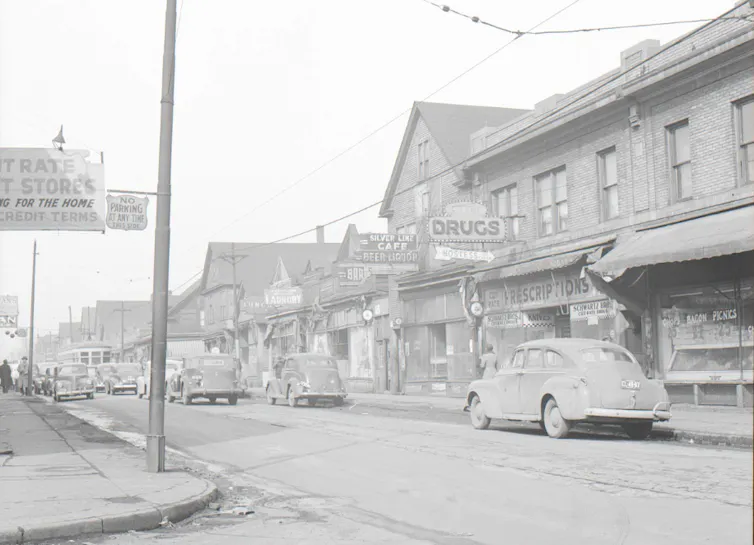
About August Wilson (1945-2005)
August Wilson was one of America's greatest playwrights. Born in Pittsburgh's Hill District—a neighborhood much like Detroit's Black Bottom—Wilson wrote ten plays that tell the story of African American life in the 20th century. Each play takes place in a different decade, creating what's called the Century Cycle or Pittsburgh Cycle.
Why These Plays Matter: Wilson documented African American experiences that had been ignored or forgotten. His plays preserve history while bringing it to life on stage. The themes of the Great Migration—seeking freedom, building communities, facing racism, and maintaining cultural identity—run through all his work.
The Ten Plays (In Chronological Order by Decade)
1904
Gem of the Ocean
Setting: Pittsburgh, just after the Civil War era
Story: Citizen Barlow, like many freed African Americans, travels north to Pittsburgh seeking a new life. He meets Aunt Ester, a 285-year-old spiritual guide who helps people find their identity and purpose.
Great Migration Connection: Shows the earliest movement of African Americans out of the South, searching for freedom and meaning after slavery ended
For Students: Introduces themes of journeying to find freedom and building new communities
1911
Joe Turner's Come and Gone
Setting: A Pittsburgh boarding house during the early Great Migration
Story: Herald Loomis and his daughter travel from boarding house to boarding house, searching for his wife. After being illegally enslaved for seven years by Joe Turner (a bounty hunter), Herald is also searching for his own identity and freedom.
Great Migration Connection: Boarding houses like the one in this play were essential stops for migrants traveling north. The characters represent different generations and reasons for migrating.
For Students: Shows how migrants helped each other and the importance of community support during the journey north
1927
Ma Rainey's Black Bottom
Setting: Chicago recording studio (the only play not set in Pittsburgh)
Story: Blues singer Ma Rainey and her band record music during the Harlem Renaissance. The play explores how Black artists were exploited by white producers while creating revolutionary art.
Great Migration Connection: The 1920s brought the Harlem Renaissance, a cultural movement celebrating Black art, music, and literature. Migrants brought their musical traditions north, creating new forms like jazz and blues.
For Students: Shows how African Americans created amazing art and culture even while facing discrimination
1936
The Piano Lesson
Setting: Pittsburgh during the Great Depression
Story: Siblings Berniece and Boy Willie argue over what to do with the family piano—an object carved with images of their enslaved ancestors. Should they sell it to buy land, or keep it to honor their history?
Great Migration Connection: The piano represents the difficult choice migrants faced: hold onto Southern roots and history, or embrace new opportunities in the North?
For Students: Explores how families remember their past while building their future
Awards: Won the Pulitzer Prize
1948
Seven Guitars
Setting: Pittsburgh backyard, post-World War II
Story: Blues singer Floyd "Schoolboy" Barton is released from prison and hopes to restart his music career by moving to Chicago. The play shows the week leading up to his death.
Great Migration Connection: After World War II, many African American veterans returned seeking better opportunities. Some continued migrating to new cities seeking success.
For Students: Shows how people kept dreaming and striving even after facing setbacks
1957
Fences
Setting: Pittsburgh during intense segregation
Story: Troy Maxson, a talented baseball player whose career was destroyed by the color barrier (before Jackie Robinson broke it), works as a garbage collector. He struggles with bitterness while providing for his family and fighting for Black workers' rights.
Great Migration Connection: Shows how migrants built stable lives in the North but still faced discrimination and lost opportunities due to racism. Troy fights to become the first Black garbage truck driver at his company.
For Students: Explores how past injustices affect families and why fighting for justice matters
Awards: Won the Pulitzer Prize and Tony Award
Film: Made into a movie in 2016 starring Denzel Washington and Viola Davis
1969
Two Trains Running
Setting: Memphis's diner in Pittsburgh during the Civil Rights Movement
Story: As civil rights protests rage across the nation, the regulars at Memphis's diner feel cynical and worn down by ongoing injustice. The city wants to buy the diner as part of gentrification.
Great Migration Connection: Shows how migrants who came north decades earlier were now seeing their communities threatened by gentrification—similar to what happened in Detroit's Black Bottom.
For Students: Explores what happens to communities when progress feels slow and neighborhoods face destruction
1977
Jitney
Setting: Unlicensed taxi cab station in Pittsburgh
Story: "Jitney" drivers provide taxi service to Black neighborhoods that regular cabs won't serve. When the city condemns their building, owner Becker and his recently released son Booster must fight to save the business.
Great Migration Connection: Shows how Black entrepreneurs created services for their communities when mainstream businesses wouldn't serve them. Also shows gentrification threatening these businesses.
For Students: Demonstrates how communities create their own solutions and the importance of Black-owned businesses
1985
King Hedley II
Setting: Pittsburgh during the Reagan era
Story: An ex-convict tries to build a legitimate life by selling refrigerators to save money for a video store, but struggles against poverty and limited opportunities in a declining neighborhood.
Great Migration Connection: Shows the economic struggles of African Americans in the 1980s as industrial jobs disappeared and neighborhoods declined—the consequences of broken promises and disinvestment.
For Students: Explores how economic changes affected Black communities and the ongoing struggle for opportunity
1997
Radio Golf
Setting: Pittsburgh in the late 1990s
Story: Harmond Wilks, a successful entrepreneur, wants to become Pittsburgh's first Black mayor. His redevelopment project would tear down old buildings including Aunt Ester's house at 1839 Wylie Avenue.
Great Migration Connection: Brings the cycle full circle—showing how the neighborhood where migrants once built thriving communities now faces "progress" that threatens to erase that history.
For Students: Raises questions about progress, gentrification, and whether we should preserve historic communities
Teaching with August Wilson's Plays
Why These Plays Matter for Your Classroom:
- Human Stories: Wilson's plays turn history into personal, relatable stories about real people's dreams and struggles
- Complete Century: Together, the plays show how the Great Migration affected multiple generations
- Multiple Themes: Each play can teach different lessons about family, identity, economic opportunity, and justice
- Cultural Preservation: Wilson documented African American experiences that might otherwise be forgotten
Age-Appropriate Access:
- Elementary (K-5): Share simplified plot summaries and themes; use picture books about the Great Migration alongside Wilson's stories
- Upper Elementary (4-5): Read excerpts or watch age-appropriate clips from the filmed versions of Fences and The Piano Lesson
- Beyond Elementary: Wilson's plays are performed regularly in theaters across the country—some teachers arrange field trips for older students