🔬 Physics Friday
❄️ States of Matter: Water in Our World 💧
A Visual Guide to Solid, Liquid, and Gas
This Month™ | January Science
🎯 Learning Objectives (K-1)
- Identify the three states of water: solid (ice), liquid (water), and gas (steam)
- Observe examples of each state in real photographs
- Recognize that ice is frozen water and steam is water in the air
- Sort pictures of water into solid, liquid, and gas categories
📚 Standards Alignment
- NGSS K-PS1-1: Plan and conduct investigations to describe different kinds of materials
- CCSS.ELA-LITERACY.RI.K.7: Describe relationship between illustrations and text
- CCSS.ELA-LITERACY.SL.1.2: Ask and answer questions about information presented
📸 Visual Guide: Water in All Its Forms
Solid Water (Ice)
SOLID
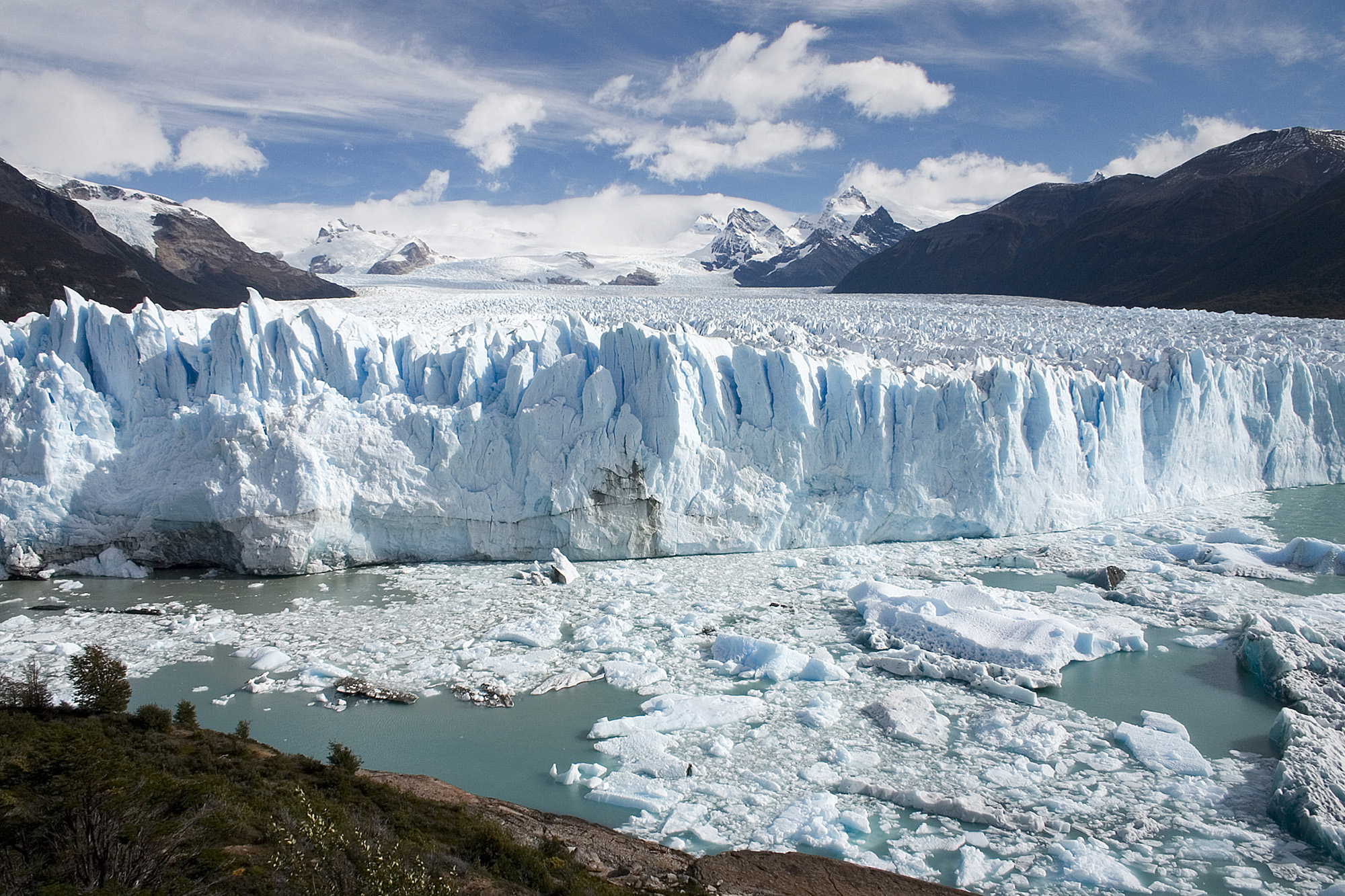
Glacier
A giant river of ice that moves very slowly. Glaciers are made of packed snow and ice!
SOLID
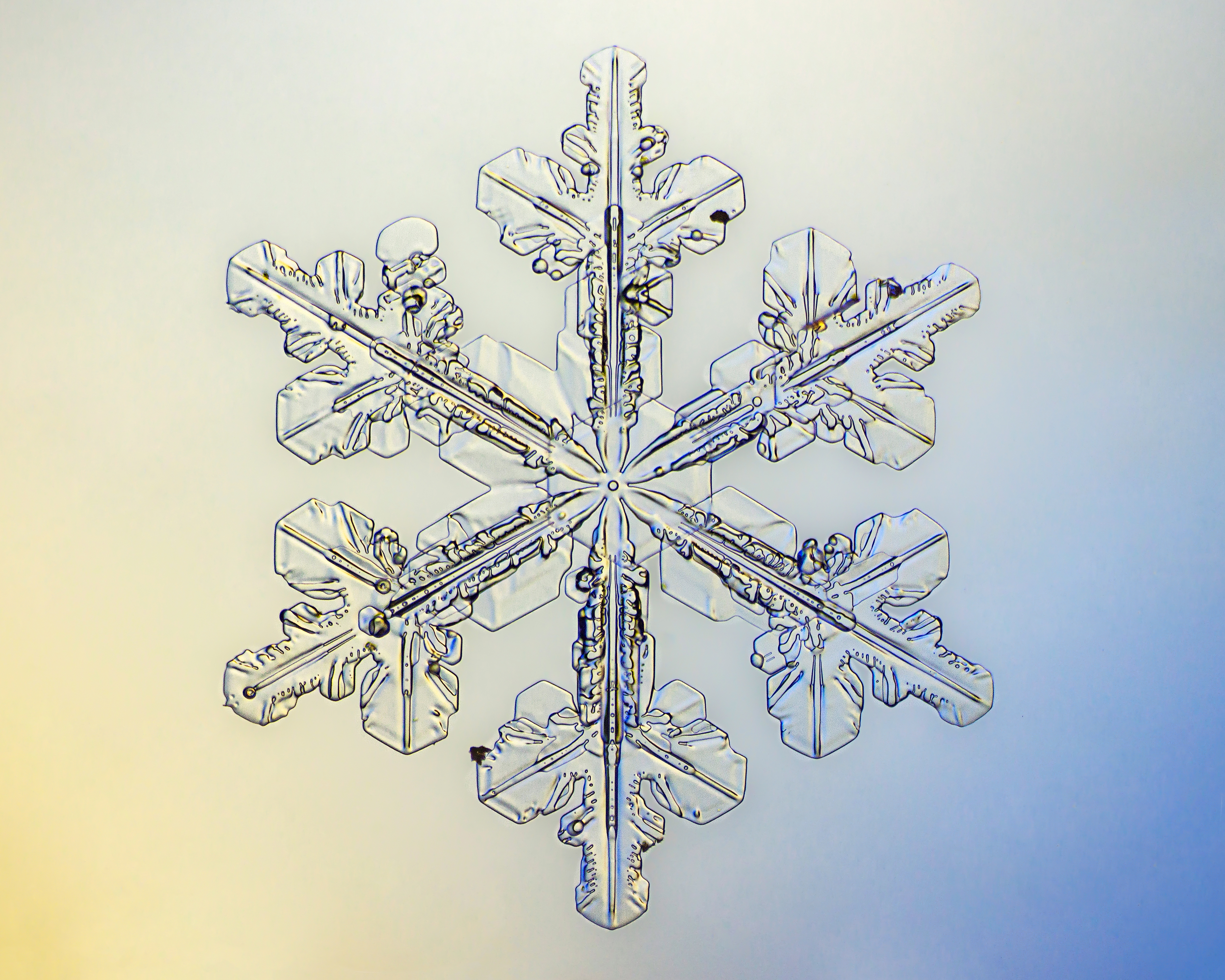
Snowflakes
Tiny ice crystals that fall from the sky. Each one is unique!
SOLID
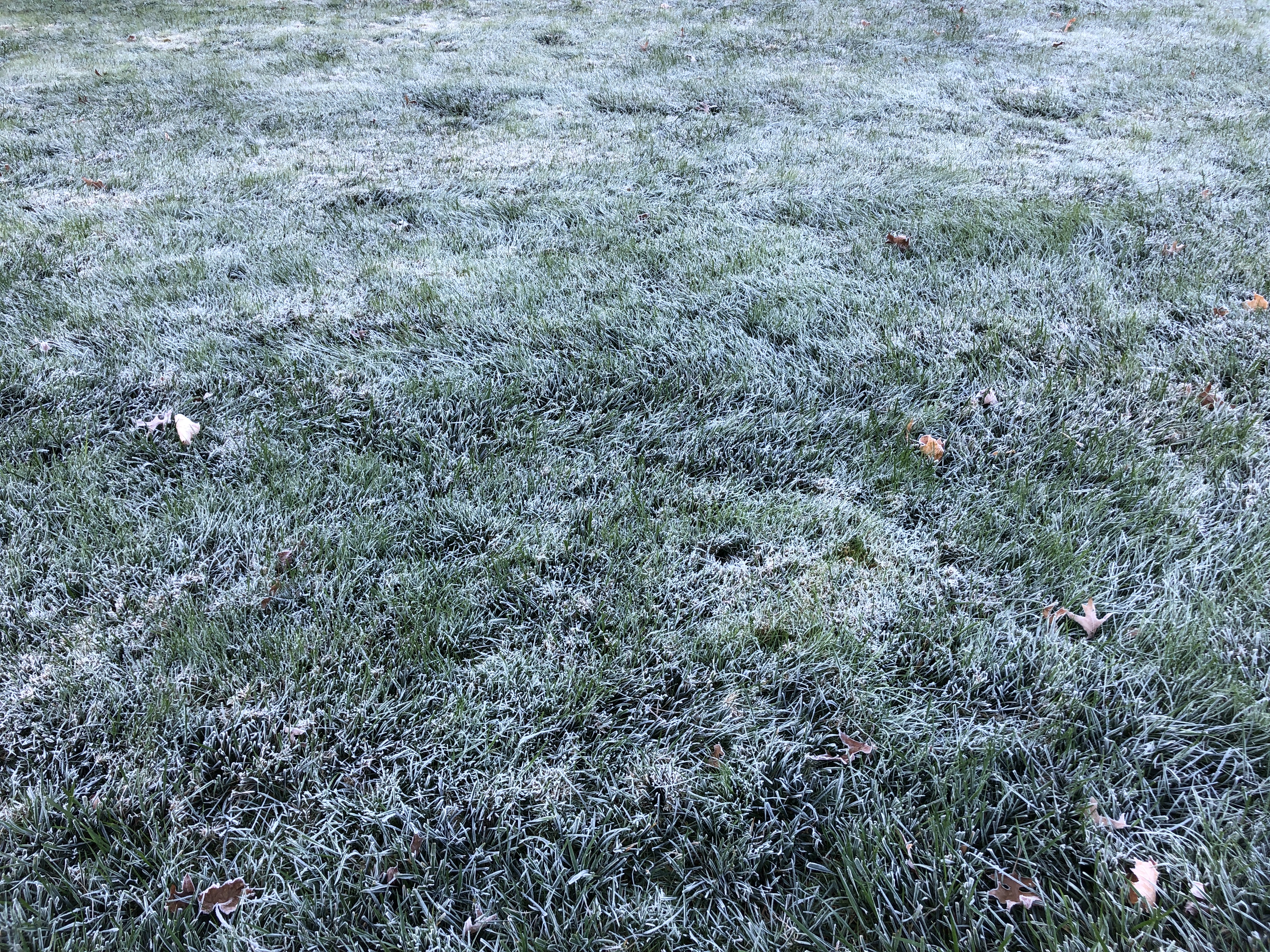
Frost
Frozen water crystals on grass. Frost forms when water vapor freezes on cold surfaces!
SOLID
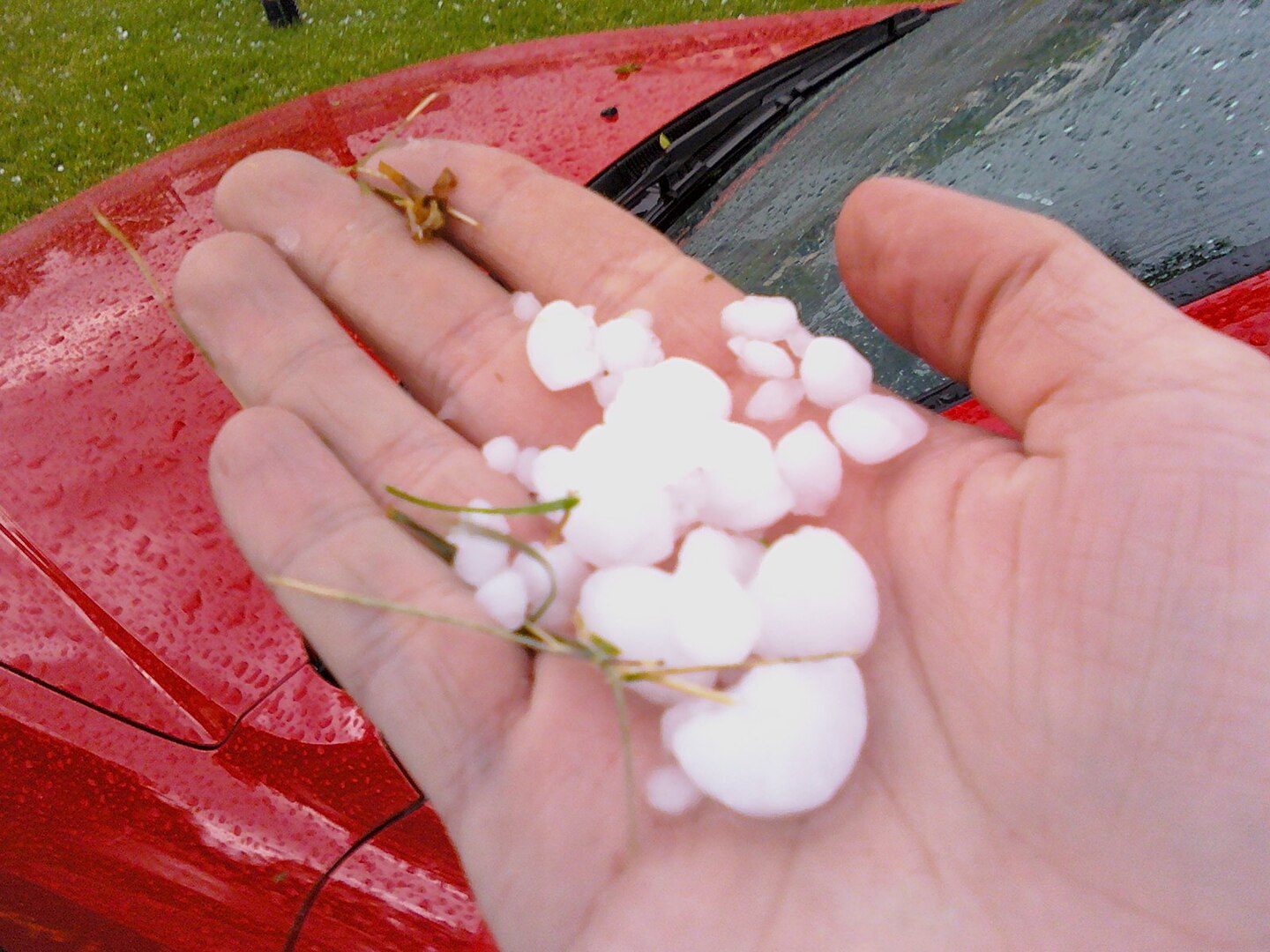
Hailstones
Frozen balls of ice that fall from the sky during storms!
Liquid Water
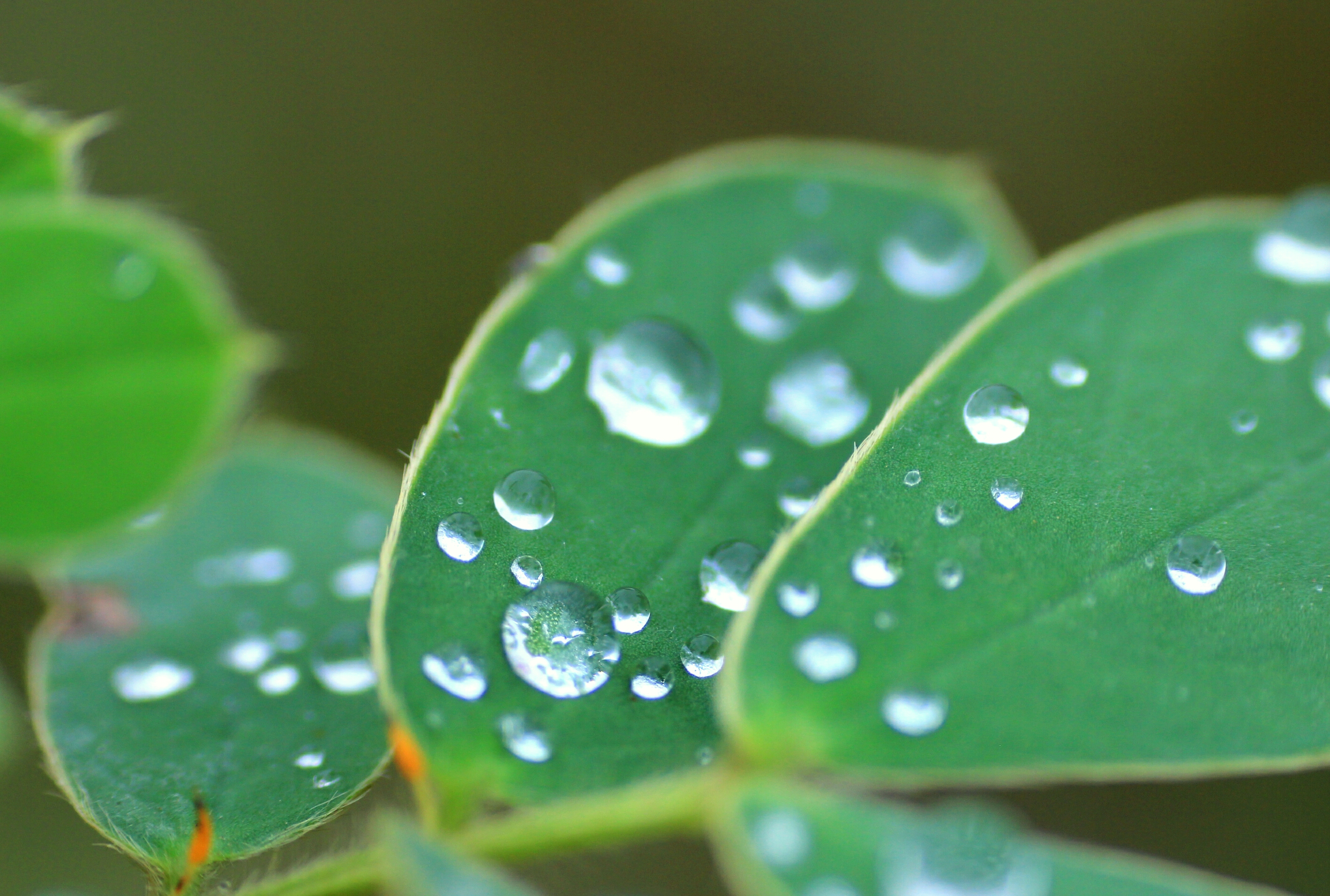
LIQUID
Water Droplets
Tiny drops of water you can see. Water flows and splashes!
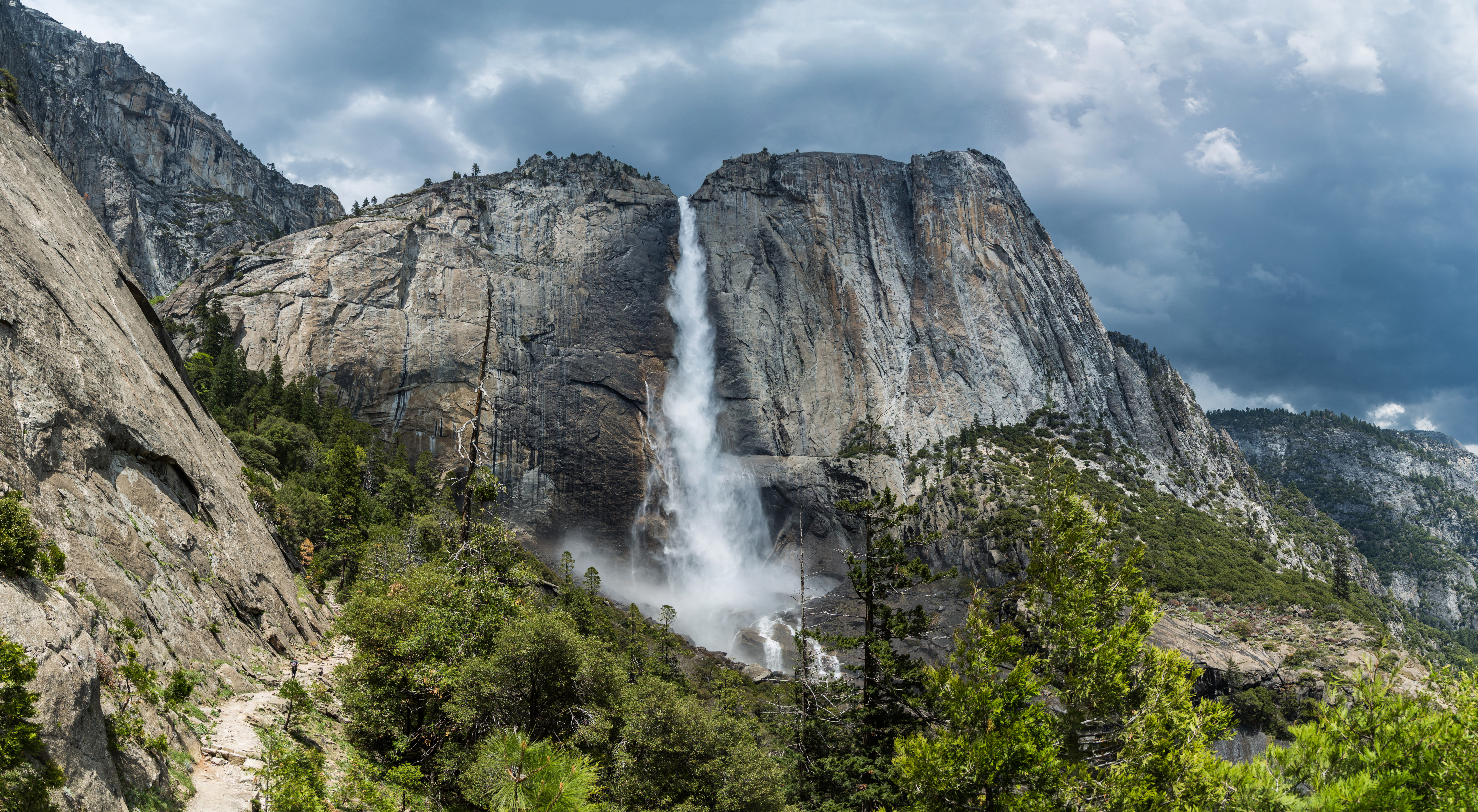
LIQUID
Waterfall
Water falling from high up. Liquid water can move and flow!
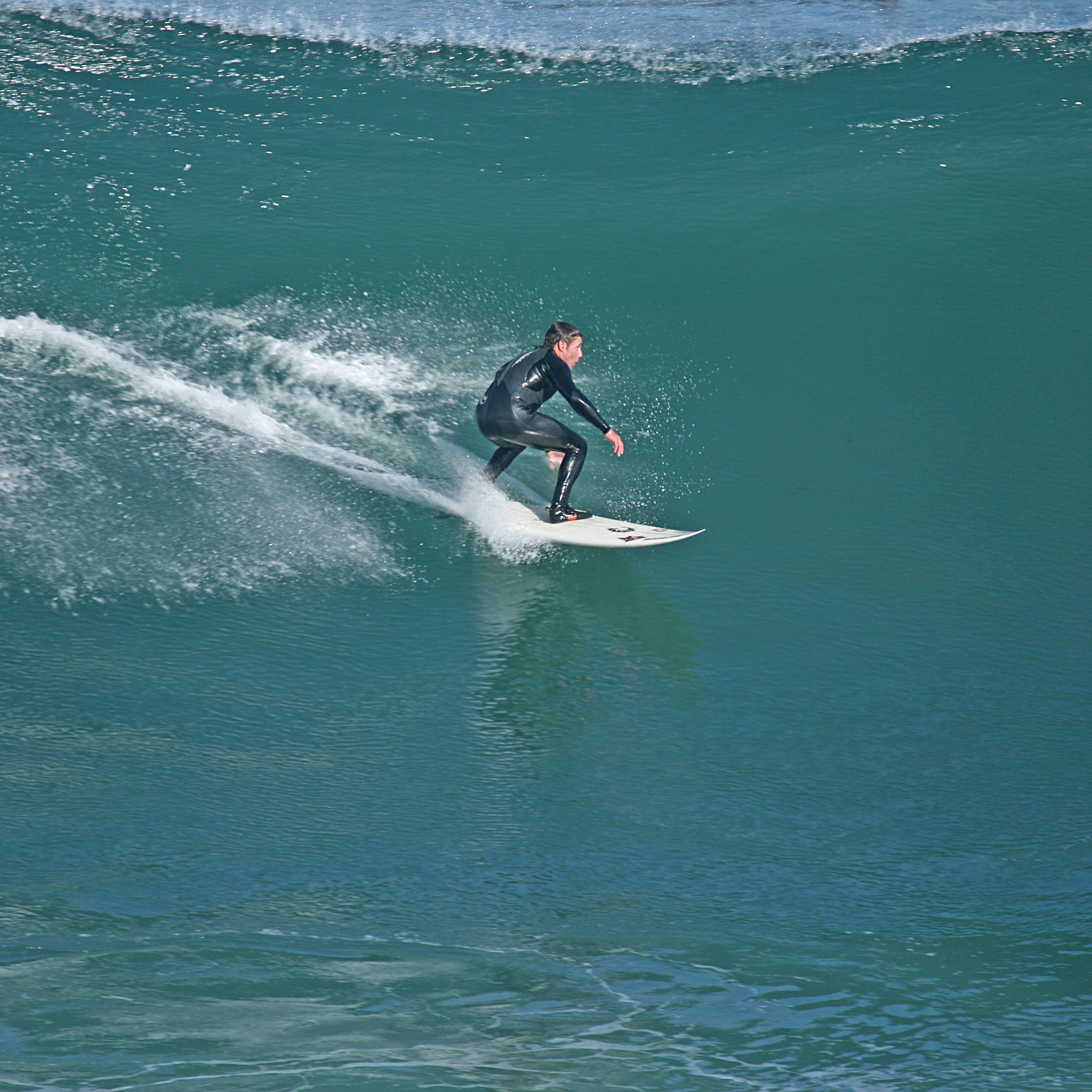
LIQUID
Ocean Waves
Liquid water in the ocean making waves. Water moves and splashes!
Gas (Steam/Vapor)
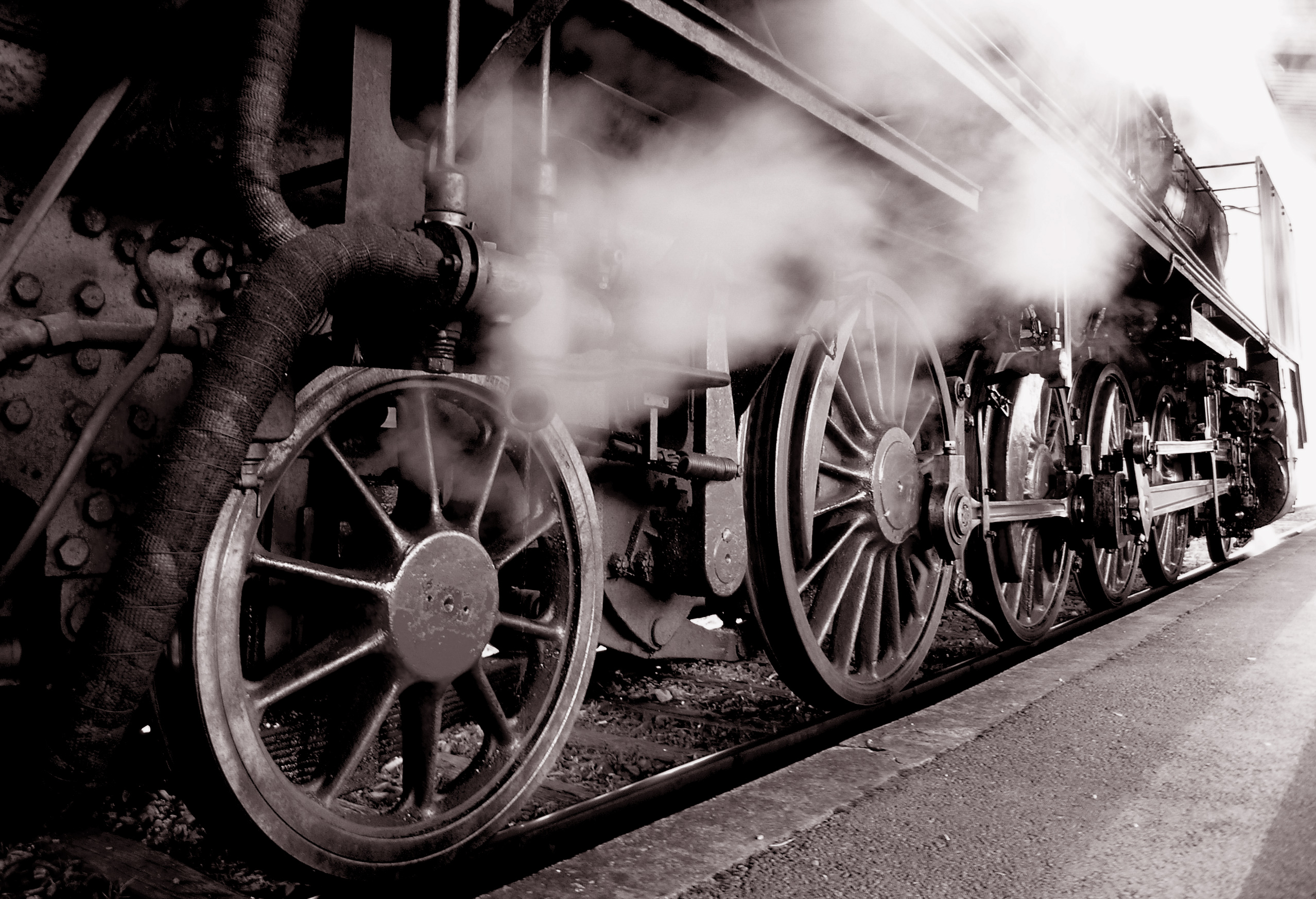
GAS
Steam from Train
Hot water turns into steam you can see in the air!
GAS
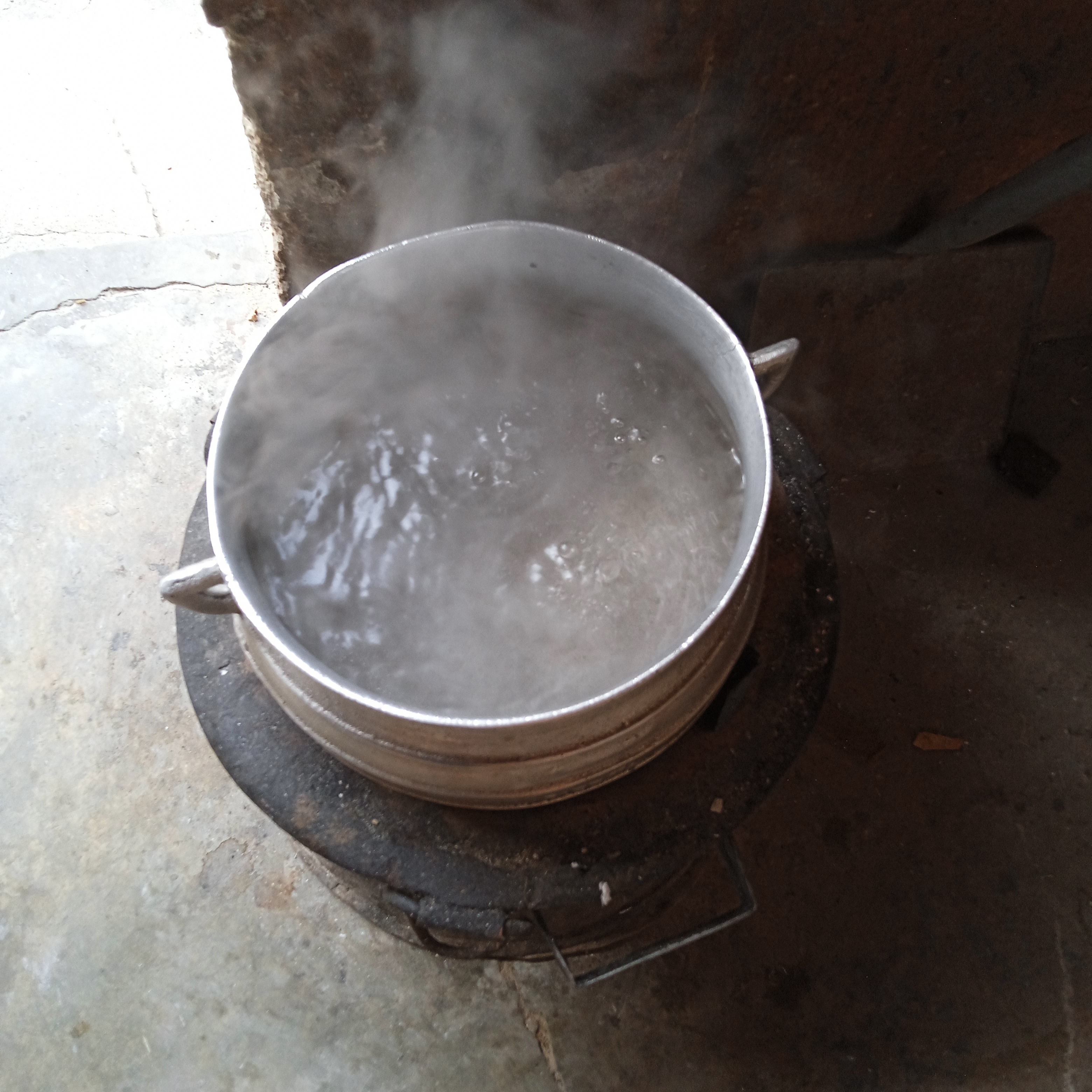
Boiling Water
Water boiling and turning into steam. When water gets very hot, it becomes a gas!
GAS
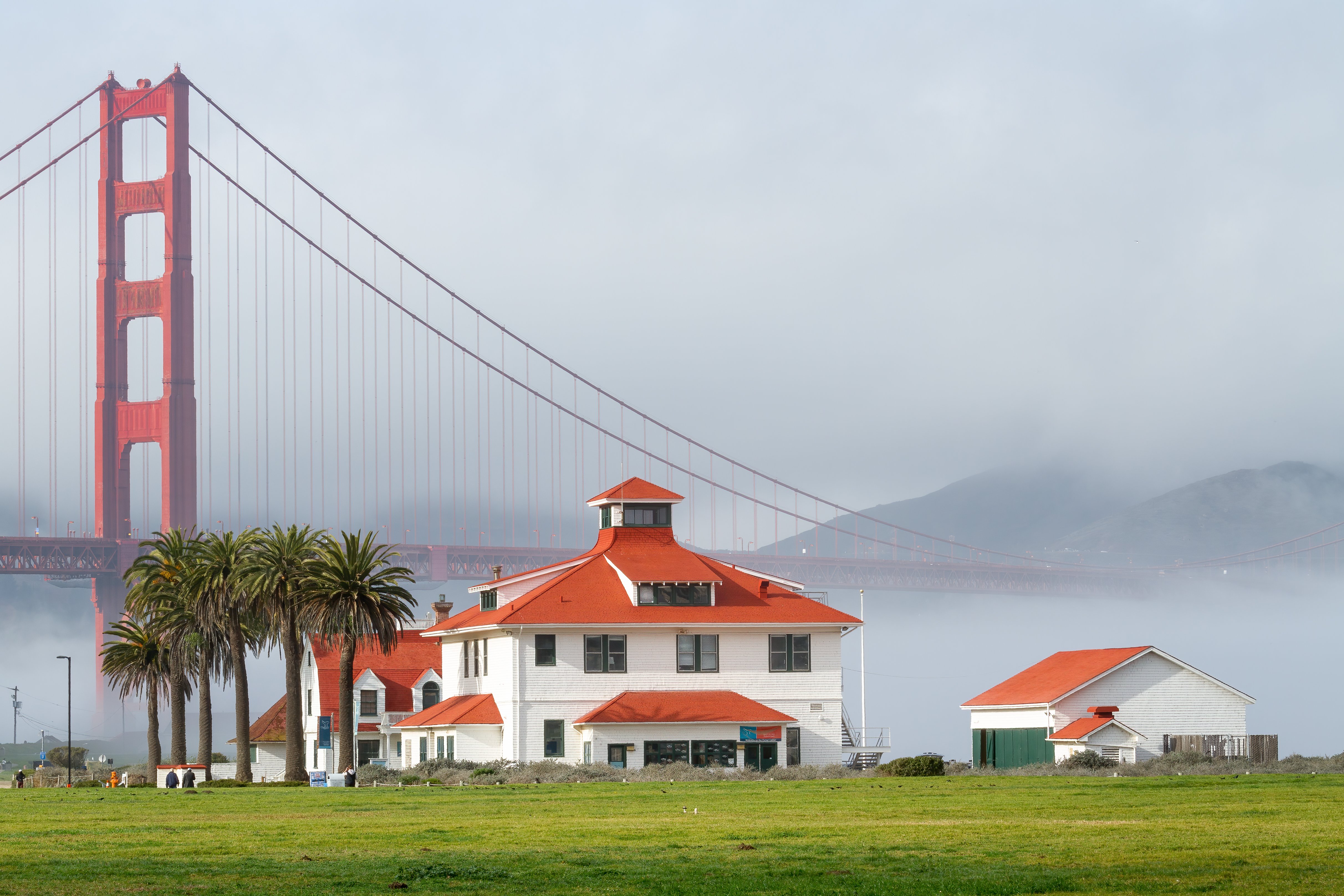
Fog
Water vapor in the air near the Golden Gate Bridge. Fog is made of tiny water droplets!
🎨 Photo Sort Activity (15 minutes)
- Show Photos: Display each photo on the smartboard. Ask: "What do you see?"
- Name the State: For each photo, ask: "Is this ice (solid), water (liquid), or steam (gas)?"
- Touch and Feel (optional): If available, let students touch ice cubes, feel water, and watch steam from warm water
- Group Discussion: "How can you tell if water is solid, liquid, or gas?"
💬 Discussion Questions:
- What does ice feel like? (Hard, cold, frozen)
- Can you pour ice like water? (No, it's solid!)
- Where do you see steam? (Kettle, shower, breath on cold day)
- What happens to ice when it gets warm? (It melts into water)
🧠 Brain Science: Young learners benefit from concrete, observable examples before abstract concepts (Piaget, 1964). Using real photographs bridges the gap between everyday experience and scientific understanding, supporting cognitive development through visual learning pathways.
For Educators:
Use the photo gallery as formative assessment—can students correctly identify states? Pair struggling learners with confident ones. Create a class chart sorting local examples of each state (ice in freezer, water in fountain, steam from cafeteria).
For Families:
Go on a "water hunt" around your home! Find ice in the freezer, water in the sink, and steam from cooking. Take photos together and talk about what makes each one different. This hands-on exploration builds scientific observation skills.
🎯 Learning Objectives (2-3)
- Explain that matter can exist in three states: solid, liquid, and gas
- Describe characteristics of each state (shape, volume, movement)
- Identify real-world examples in different environments (glaciers, rivers, fog)
- Understand that temperature affects which state water is in
📚 Standards Alignment
- NGSS 2-PS1-1: Plan and conduct investigation to classify materials based on properties
- NGSS 2-PS1-4: Construct argument that objects are made of smaller pieces
- CCSS.ELA-LITERACY.RI.3.1: Ask and answer questions to demonstrate understanding
📸 Photo Analysis: States in Nature
Solid Water in Nature
SOLID
Glacier
Massive ice formation in Patagonia. Glaciers are rivers of ice that move very slowly over thousands of years.
SOLID
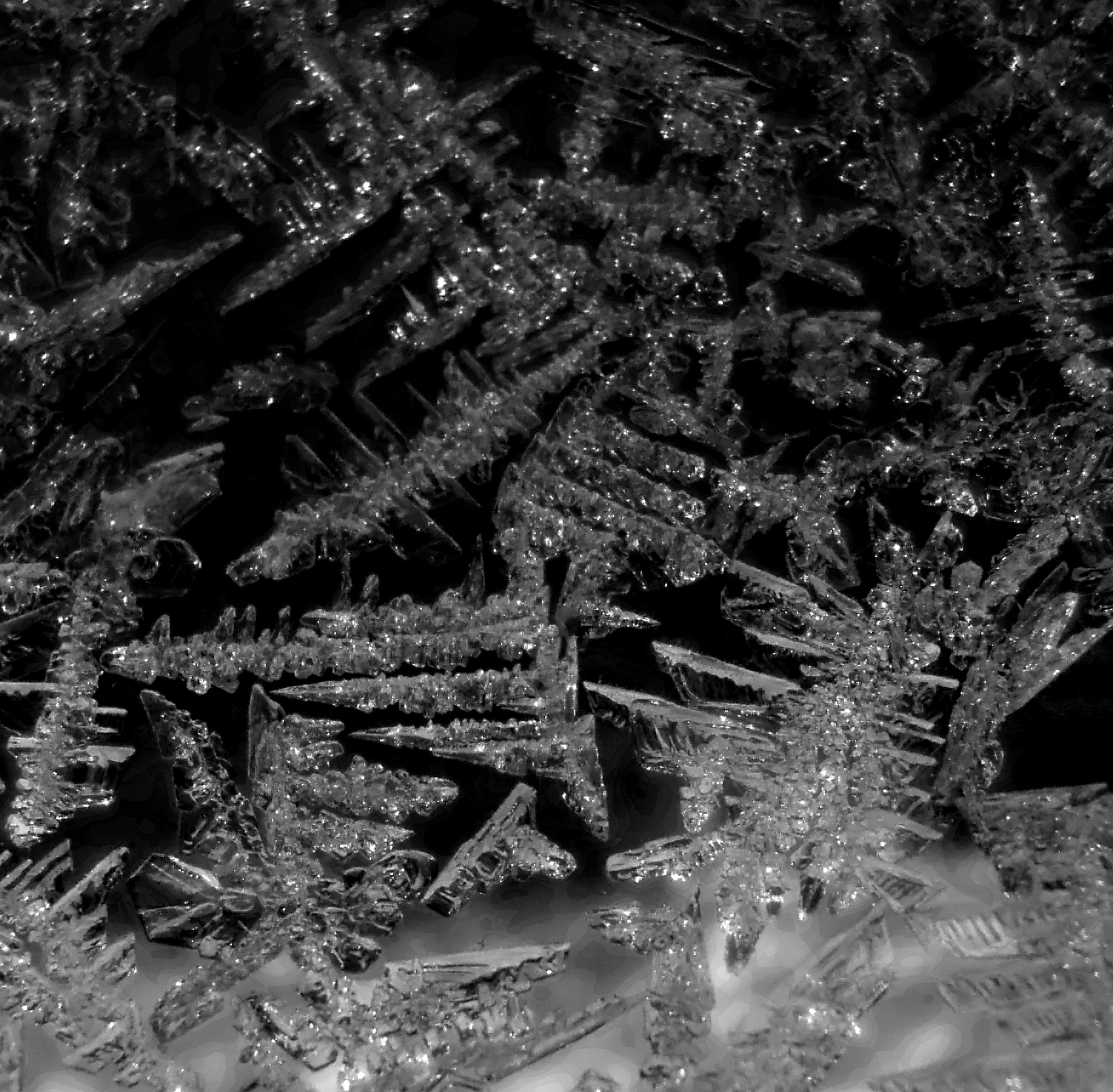
Ice Crystals
Ice forming beautiful crystal patterns. When it warms up, the ice melts and becomes liquid water.

SOLID
Black Ice
Thin, clear ice on roads. It's called "black ice" because you can see the dark road through it. Very dangerous!
SOLID
Hailstones
Frozen balls of ice that form in storm clouds and fall to the ground. Hail forms when water droplets freeze in layers!
SOLID
Frost
Ice crystals forming on grass on a cold morning. Frost forms when water vapor in the air freezes directly onto cold surfaces!
Liquid Water Forms
LIQUID
Water Droplets
Liquid water droplets on a leaf. Liquids can take the shape of surfaces they rest on.
LIQUID
Waterfall
Water flowing down Yosemite Falls. Liquid water flows and takes the shape of its path!
LIQUID
Ocean Waves
Water in the ocean forming waves. The ocean contains most of Earth's liquid water—it moves, flows, and crashes on shores!
Water Vapor in the Atmosphere
GAS
Fog
Water vapor condensed into tiny droplets near the ground. Fog is actually a cloud at ground level!
GAS
Boiling Water
Water boiling and turning into steam. When water reaches 100°C (212°F), it evaporates rapidly and becomes water vapor!
🔬 Photo Investigation Activity (20 minutes)
- Photo Analysis: In pairs, students examine 2-3 photos and identify the state of water shown
- Evidence Gathering: Students write down 2 clues that helped them identify the state
- Temperature Connection: Discuss: "What temperature do you think it was when this photo was taken?"
- Compare & Contrast: Use a Venn diagram to compare two different states (e.g., ice vs. water)
- Real-World Connections: Students share where they've seen similar examples in their own lives
💬 Critical Thinking Questions:
- Why does the glacier photo show both ice AND water? (Ice melts in warmer areas)
- What causes the steam at Yellowstone? (Hot water evaporates into gas)
- How is fog different from clouds? (Same thing, different altitude!)
- What would happen to the icicle on a hot summer day? (It would melt completely)
🧠 Pedagogical Note: This inquiry-based approach aligns with constructivist learning theory (Vygotsky, 1978), allowing students to build understanding through guided exploration. Photo analysis develops visual literacy alongside scientific reasoning—a dual skill set crucial for 21st-century learners.
For Educators:
Use this as a literacy integration opportunity—students can write "field notes" like scientists, describing observations and hypotheses. Create a class "States of Matter Museum" with printed photos, labels, and student explanations on display.
For Families:
Watch for teachable moments! When you see steam from soup, frost on windows, or rain puddles, pause and discuss what state the water is in and why. These everyday observations build scientific thinking habits that last a lifetime.
🎯 Learning Objectives (4-5)
- Analyze molecular structure and movement in different states of matter
- Explain phase transitions (melting, freezing, evaporation, condensation)
- Investigate environmental factors affecting water's state (temperature, pressure)
- Apply understanding to real-world phenomena (glaciers, water cycle, weather)
📚 Standards Alignment
- NGSS 5-PS1-1: Develop model to describe matter is made of particles too small to be seen
- NGSS 5-PS1-3: Make observations to construct evidence-based account
- NGSS 5-ESS2-1: Develop model using example to describe ways Earth's systems interact
- CCSS.ELA-LITERACY.RST.5.7: Draw on information from multiple sources
📸 Scientific Photo Analysis: Phase Changes in Nature
Solid State: Crystalline Structure
SOLID
Ice Crystal Structure
Snowflake macro showing hexagonal crystal lattice. H₂O molecules are locked in fixed positions with strong hydrogen bonds. Temperature: below 0°C (32°F).
SOLID
Glacial Ice Formation
Compacted snow transformed into glacial ice over centuries. Pressure and recrystallization create dense, blue ice. Evidence of climate patterns.
SOLID
Black Ice (Glaze Ice)
Transparent ice layer formed when rain freezes on contact with cold surfaces. Demonstrates rapid phase transition from liquid to solid at 0°C.
SOLID
Hailstones Formation
Ice pellets formed through freezing and accretion in cumulonimbus clouds. Demonstrates rapid phase transition and layered crystalline growth at varying altitudes and temperatures.
SOLID
Frost (Deposition)
Ice crystals formed through deposition—water vapor transitioning directly to solid ice without passing through liquid phase. Occurs when surface temperature drops below dew point and freezing point simultaneously.
Liquid State: Molecular Flow
LIQUID
Phase Transition: Melting
Solid ice transitioning to liquid water as temperature rises above freezing point. Molecules gain kinetic energy and break from crystal structure.
LIQUID
Surface Tension & Cohesion
Water droplets demonstrating cohesive forces. Liquid H₂O molecules move freely but maintain attraction through hydrogen bonding.
LIQUID
Gravitational Flow
Liquid water flowing due to gravity. Demonstrates definite volume but variable shape—characteristic of liquid state.
LIQUID
Ocean Waves & Kinetic Energy
Liquid water in motion demonstrating kinetic energy transfer. Ocean waves show how liquid water molecules maintain cohesion while flowing freely—covering 71% of Earth's surface.
Gas State: Evaporation & Condensation
GAS
Rapid Evaporation
Water boiling and evaporating into steam. Temperature at boiling point causes visible water vapor condensation. Demonstrates phase transition at 100°C (212°F).
GAS
Condensation Near Surface
Water vapor condensing into suspended liquid droplets (fog). Occurs when air temperature drops to dew point. Ground-level cloud formation.
🔬 Scientific Investigation: Multi-Photo Analysis (25 minutes)
- Hypothesis Formation: Students choose 3 photos and predict molecular behavior in each state
- Evidence Documentation: Create data table documenting: state, temperature range, molecular spacing, molecular movement, observable properties
- Phase Transition Analysis: Identify photos showing phase changes (melting icicle, evaporating water). Explain energy transfer.
- Climate Connection: Analyze glacier photos. Research: How do glaciers provide evidence of climate change?
- Local Application: Students photograph local examples of all three states and annotate with scientific explanations
💬 Higher-Order Thinking Questions:
- Molecular Level: Why does ice float on liquid water? (Less dense due to crystal structure)
- Energy Transfer: What happens to energy when water evaporates? (Absorbs heat energy to break bonds)
- Environmental Science: How does black ice form vs. regular ice? (Contact freezing vs. gradual cooling)
- Systems Thinking: How do these photos show interconnected Earth systems? (Hydrosphere, atmosphere, geosphere interactions)
- Climate Analysis: What can glaciers tell us about past temperatures? (Ice core data, layering, retreat patterns)
🧠 Scientific Literacy Development: This multi-modal approach—combining visual analysis, data collection, and systems thinking—develops the scientific practices outlined in NGSS (National Research Council, 2012). Students learn to analyze evidence, construct explanations, and engage in argument from evidence, mirroring authentic scientific inquiry.
For Educators:
This is an ideal STEM integration opportunity. Students can create digital presentations analyzing phase changes, graph temperature data, or design experiments testing variables that affect state changes. Consider partnering with art teachers for scientific illustration or with technology teachers for data visualization projects.
For Families:
Extend this learning by conducting home experiments: time how long ice takes to melt at different temperatures, observe condensation on cold glasses, or watch a pot of water come to boil. Document observations with photos and measurements—you're doing real science!
🎮 Interactive Sorting Game
Practice identifying states of matter by sorting icons as examples into solid, liquid, and gas categories. Features grade-level difficulty, instant feedback, and beautiful visual examples!
🧊 Play Sorting Game 💧This Month™ | Standards-Aligned, Timely Learning Experiences
Connecting Science to the Seasons | Visit month.thence.us for more Physics Friday activities