โ„๏ธ Arctic vs Antarctic Animals ๐Ÿง

A This Monthโ„ข Activity

๐ŸŒ Meet the Polar Animals ๐ŸŒ

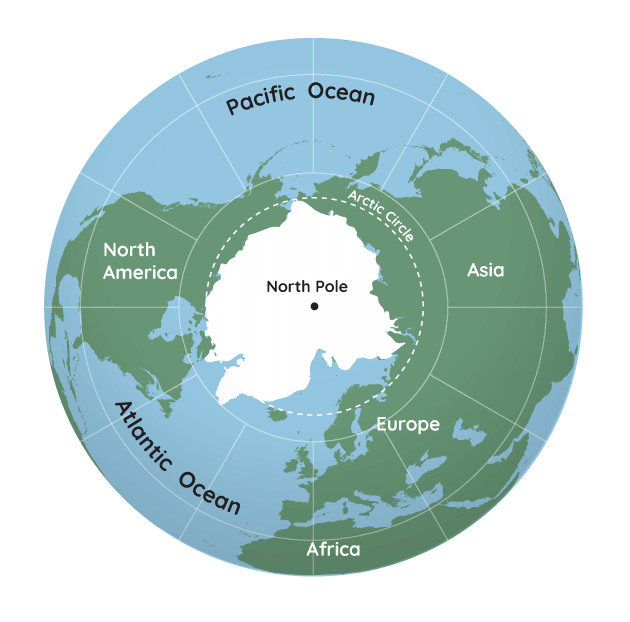
โ„๏ธ ARCTIC (North Pole)
Arctic North Pole
Drop Arctic animals here โฌ‡๏ธ
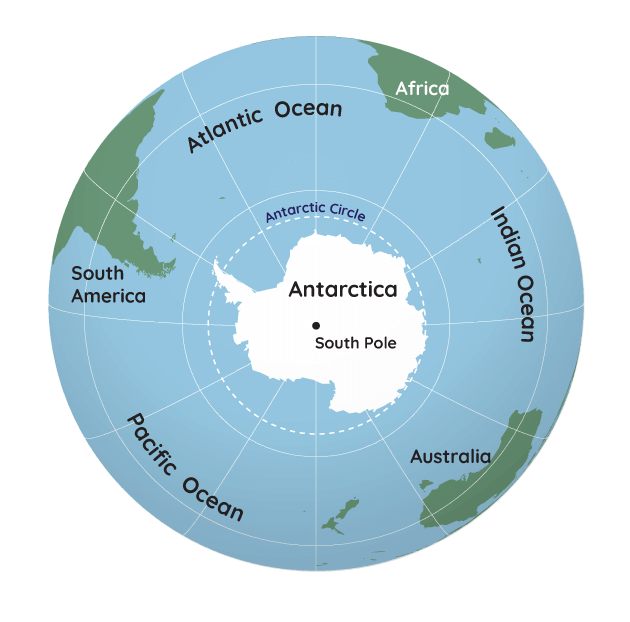
๐Ÿง ANTARCTIC (South Pole)
Antarctic South Pole
Drop Antarctic animals here โฌ‡๏ธ
๐Ÿฆญ Drag Animals to Their Polar Homes ๐Ÿ‹
๐Ÿ“‹ Educational Standards Alignment

๐Ÿ‘ Georgia STEM Standards

  • SKL2: Students will compare the similarities and differences in groups of organisms (animal habitats and basic needs).
  • S1L1.a: Identify the basic needs of a plant and an animal and how organisms meet their needs.
  • S1L1.c: Identify animals that live in different environments (polar, desert, temperate, tropical, freshwater, saltwater).
  • S2L1.b: Compare and contrast the habitats of different organisms and the dependence of organisms on their habitat.
  • S3L1.a: Identify features of animals that allow them to live and thrive in different regions of Georgia.
  • S4L1.a: Develop a model to illustrate how the external features and adaptations of animals help them survive in their habitat.
  • S5L4.b: Develop a model to describe the roles of organisms and the flow of energy within an ecosystem (polar food webs).

๐Ÿ—ฝ New Jersey Student Learning Standards

  • K-LS1-1: Use observations to describe patterns of what plants and animals (including humans) need to survive.
  • K-ESS3-1: Use a model to represent the relationship between the needs of different plants/animals and places they live.
  • 2-LS4-1: Make observations of plants and animals to compare the diversity of life in different habitats.
  • 3-LS4-3: Construct an argument with evidence that environmental changes affect organism survival (Arctic climate change).
  • 4-LS1-1: Construct an argument that plants and animals have internal and external structures for survival, growth, and reproduction.
  • 5-LS2-1: Develop a model to describe the movement of matter among plants, animals, decomposers, and the environment.

๐ŸŒฒ North Carolina Standard Course of Study

  • K.L.1.1: Compare different types of the same animal to determine individual differences within a habitat.
  • K.L.1.2: Compare the basic needs of humans and animals (food, shelter from weather and predators).
  • 1.L.1.2: Give examples of how the needs of different plants and animals can be met by their environments.
  • 2.L.1.2: Compare how animals meet their needs by using behaviors in response to environmental stimuli.
  • 3.L.2.3: Summarize the distinct stages of the life cycle of seed plants (connections to Antarctic/Arctic ecosystems).
  • 4.L.1.3: Explain how humans and animals use their senses and sensory organs to detect environmental information.
  • 5.L.2.3: Infer the effects that may result from the interconnected relationships of plants and animals in their environments.

๐Ÿ—ฝ New York State P-12 Science Learning Standards

  • K-LS1-1: Use observations to describe patterns of what plants and animals need to survive in different environments.
  • K-ESS3-1: Use a model to represent the relationship between needs of different animals and the places they live.
  • 2-LS4-1: Make observations of plants and animals to compare diversity of life in Arctic vs. Antarctic habitats.
  • 3-LS4-3: Construct an argument with evidence that in a particular habitat some organisms can survive well, some less well, some not at all.
  • 4-LS1-1: Construct an argument that animals have internal and external structures that function to support survival (blubber, fur, camouflage).
  • 5-LS2-1: Develop a model to describe the movement of matter among producers, consumers, and decomposers in polar ecosystems.

๐Ÿ‡บ๐Ÿ‡ธ Common Core State Standards

  • CCSS.ELA-LITERACY.RI.K.1: With prompting and support, ask and answer questions about key details in text about animals and habitats.
  • CCSS.ELA-LITERACY.RI.K.7: With prompting and support, describe the relationship between illustrations and the text (animal photos and descriptions).
  • CCSS.ELA-LITERACY.RI.1.2: Identify the main topic and retell key details about Arctic and Antarctic animals.
  • CCSS.ELA-LITERACY.RI.2.3: Describe the connection between scientific ideas or concepts (adaptations to cold environments).
  • CCSS.ELA-LITERACY.RI.3.2: Determine the main idea of a text about polar animals; recount key details and explain how they support the main idea.
  • CCSS.ELA-LITERACY.RI.4.3: Explain events, procedures, ideas, or concepts in a scientific text, including what happened and why (animal adaptations).
  • CCSS.ELA-LITERACY.RI.5.9: Integrate information from several texts on same topic (comparing Arctic vs. Antarctic ecosystems).

๐Ÿ”ฌ Next Generation Science Standards (NGSS)

  • K-LS1-1: Use observations to describe patterns of what plants and animals (including humans) need to survive.
  • K-ESS3-1: Use a model to represent the relationship between the needs of different plants or animals and the places they live.
  • 1-LS1-1: Use materials to design a solution to a human problem by mimicking how animals use their external parts to survive in polar climates.
  • 2-LS4-1: Make observations of plants and animals to compare the diversity of life in different habitats (Arctic vs. Antarctic).
  • 3-LS4-3: Construct an argument with evidence that in a particular habitat some organisms survive well, some less, some not at all.
  • 4-LS1-1: Construct an argument that plants and animals have internal/external structures that function to support survival, growth, behavior, and reproduction.
  • 5-LS2-1: Develop a model to describe the movement of matter among plants, animals, decomposers, and the environment in polar ecosystems.
  • 5-ESS3-1: Obtain and combine information about ways communities reduce human impacts on Earth's resources and environment.
๐Ÿ“ธ Photo Credits

Polar Bear: "Polar bear (Ursus maritimus) female with its cub, Svalbard" - Wikimedia Commons

Snowy Owl: "Buho nival (Bubo scandiacus), Arcos de la Frontera, Cรกdiz, Espaรฑa" - Diego Delso (CC BY-SA 4.0)

Arctic Fox: "Vulpes lagopus in Iceland" - Wikimedia Commons

Narwhal: "Pod of Monodon monoceros" - Wikimedia Commons

Reindeer: "Greenland reindeer" - Wikimedia Commons

Emperor Penguin: "Penguin in Antarctica jumping out of the water" - Wikimedia Commons

Leopard Seal: "Leopard seal" - NOAA Photo Library (Flickr)

Humpback Whale: "Humpback breaching" - Paul Balfe (Flickr)

Albatross: "Thalassarche melanophris - Deploying its wings" - Wikimedia Commons

Krill: "Krill on finger" - Wikimedia Commons

Arctic Background: NASA Earth Observatory

Antarctic Background: NASA South Pole Image