🔬 ⚗️ 🌺

Alice Augusta Ball

A Young Scientist's Revolutionary Discovery

First Effective Leprosy Treatment • Pioneer Chemist • Hawaiʻi Honors Her Legacy

Target Audience: K-5th Grade Educators

Subject Areas: Black History Month, Science, Medical History, Social Justice

Special Recognition: February 28 - Alice Augusta Ball Day in Hawaiʻi

Educational Themes: Scientific Discovery, Racial Justice, Women in STEM, Recognition & Credit

👩🏾‍🔬 Who Was Alice Augusta Ball?
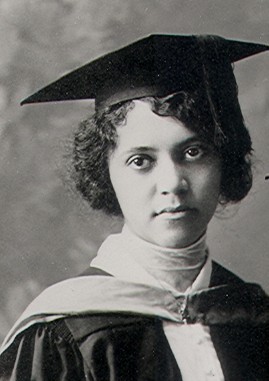
Alice Augusta Ball

Alice Augusta Ball, who developed The Ball Method, a groundbreaking treatment for leprosy

A Pioneering Young Scientist

Alice Augusta Ball was born in Seattle, Washington, in 1892. At just 23 years old, she made a scientific discovery that would change medicine forever—but her story is also one of injustice, as an older colleague took credit for her work.

Historic Firsts:

  • First woman to earn a master's degree in science from the College of Hawaiʻi (1915)
  • First African American to earn this degree from the College of Hawaiʻi
  • First African American chemistry instructor and research chemist in the chemistry department
  • All of this accomplished by age 23

A Life Cut Short

Tragically, Alice Ball died in 1920 at only 24 years old, likely from exposure to chlorine gas in the laboratory. Because she died before she could publish her research, her groundbreaking work was stolen—and it took decades for her to receive proper recognition.

🏝️ The Problem: Hansen's Disease in Hawaii

What is Hansen's Disease?

Hansen's disease (also called leprosy) is a bacterial infection that affects the skin and nerves. Today we know it's minimally contagious, but in the early 1900s, people were terrified of it.

Kaʻapu area in 1878

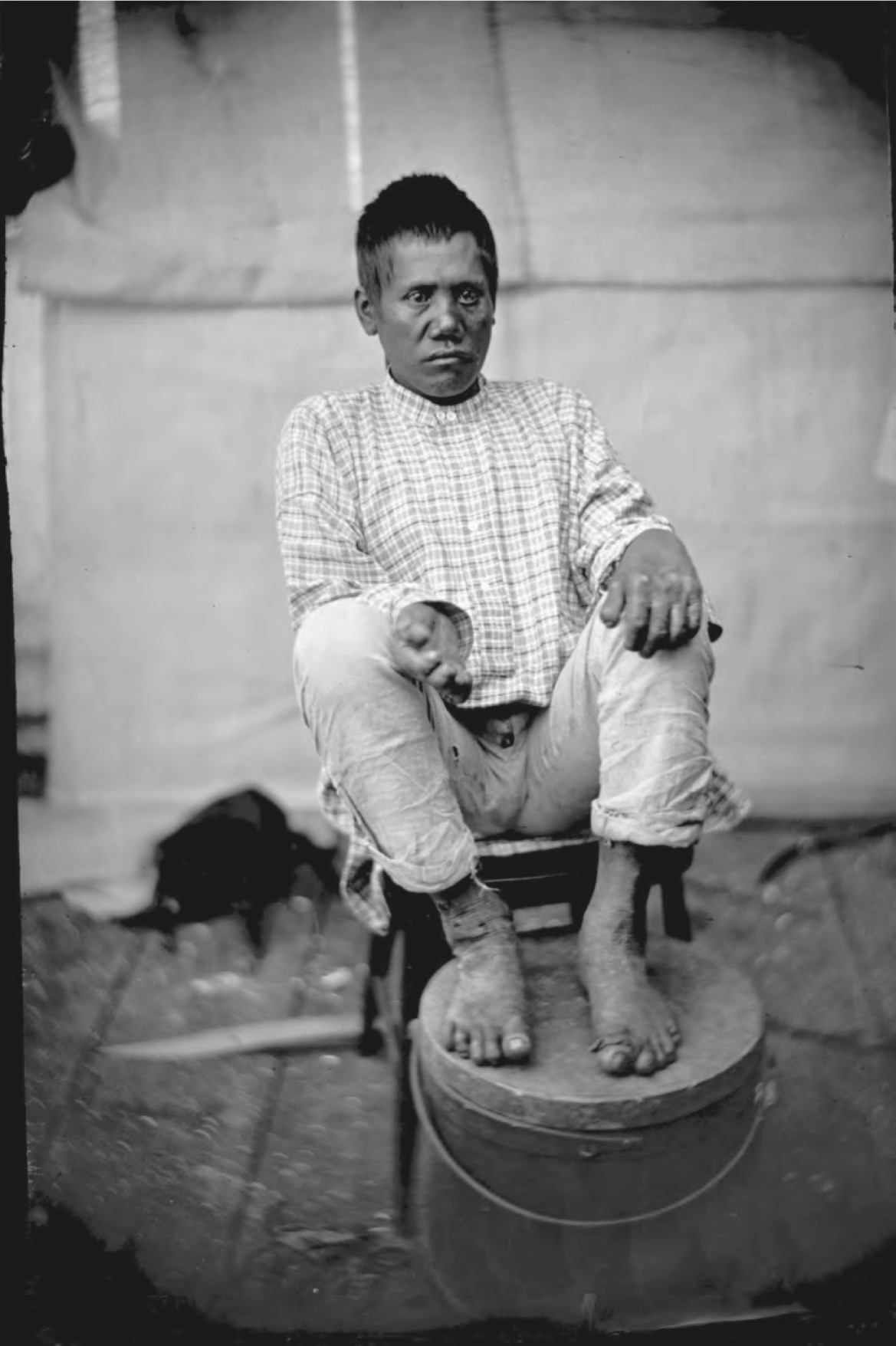
Kaʻapu area in 1878, early days of the forced isolation policy on Molokaʻi

Kalaupapa leper colony in 1905

Kalaupapa leper colony in 1905, showing the isolation of those forced into quarantine on Molokaʻi

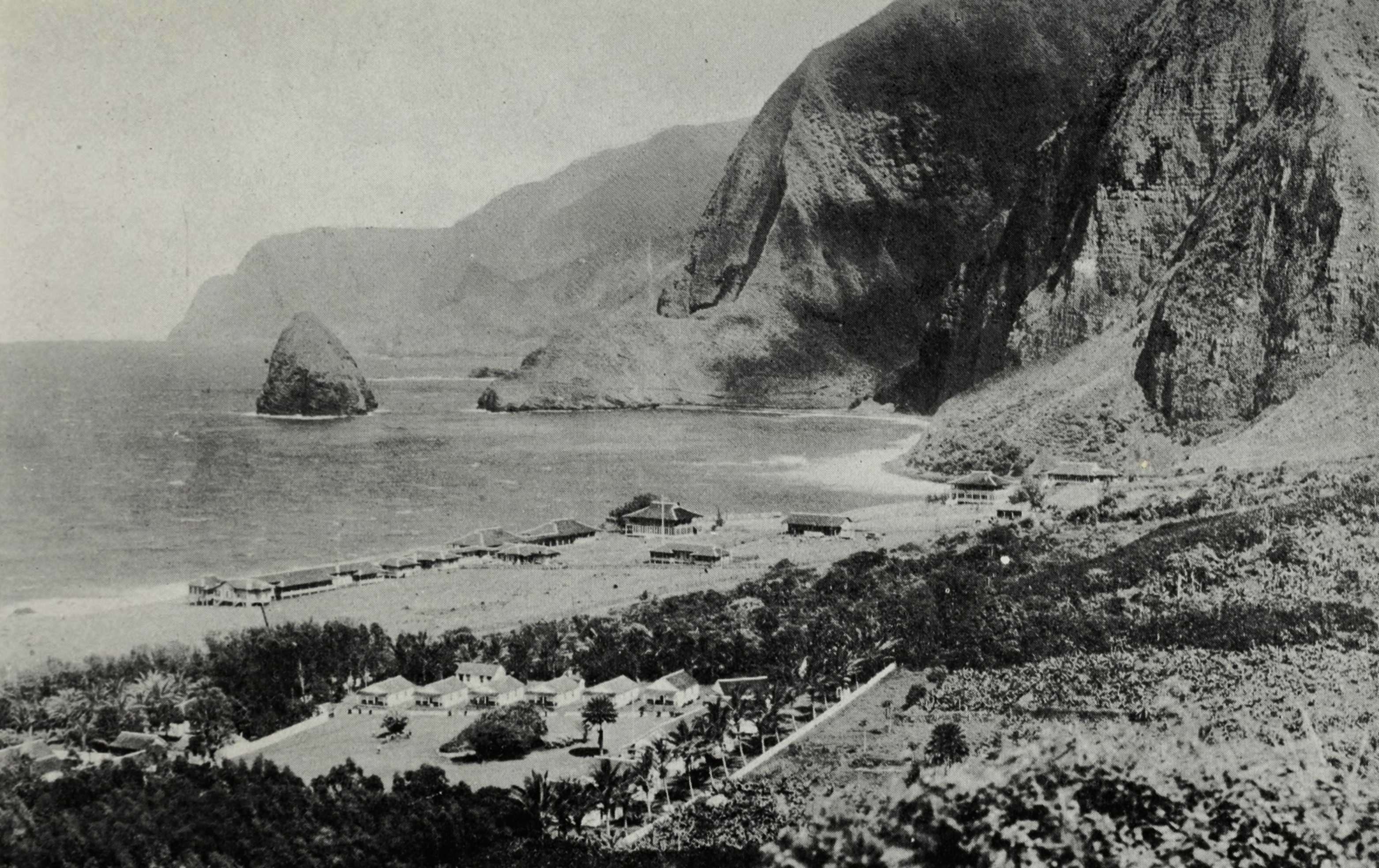
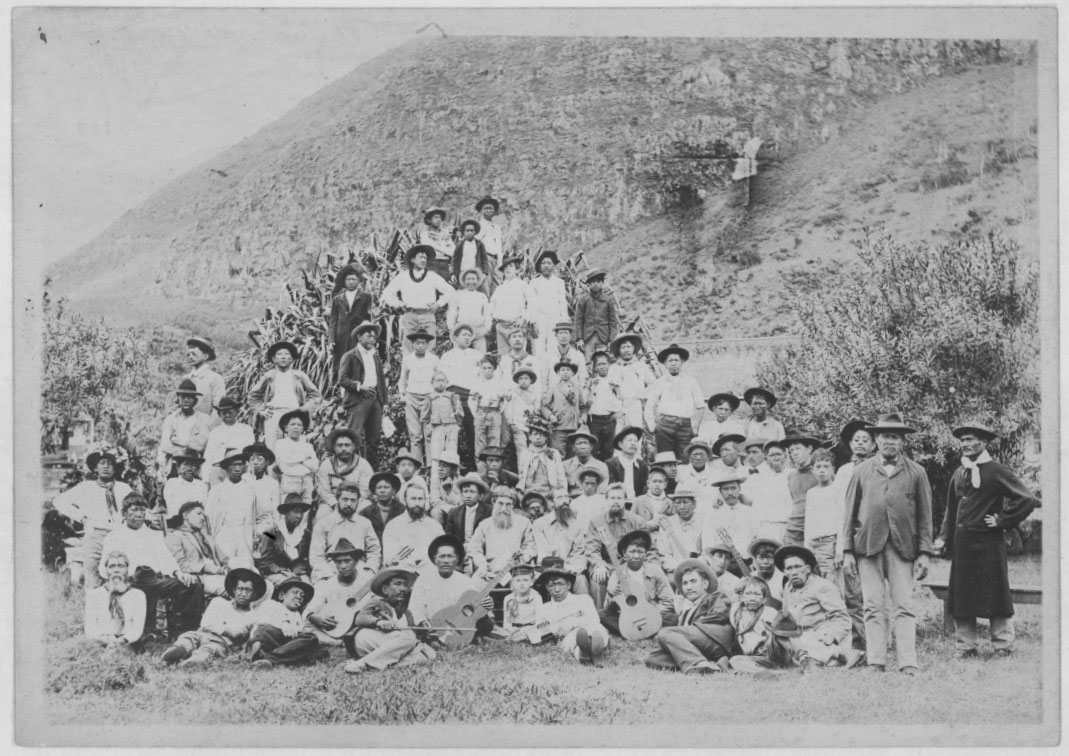
Kalawao settlement on Molokai

Kalawao settlement on Molokaʻi, circa 1922, where the Ball Method successfully treated leprosy sufferers

Forced Isolation in Hawaiʻi

In 1865, Hawaiʻi implemented a mandatory segregation policy that isolated people with leprosy on a remote peninsula on the island of Molokaʻi. By 1910, over 600 people were living there—separated from their families and communities.

Important Context:

This policy overwhelmingly affected Native Hawaiians, who accounted for over 90% of all those exiled to Molokaʻi. This was both a public health crisis and a civil rights issue.

Failed Treatments

Doctors tried everything to treat leprosy, including:

  • Dangerous substances like arsenic (a poison)
  • Strychnine (also poisonous)
  • Chaulmoogra oil (the only somewhat effective treatment, but it had major problems)
🌳 The Chaulmoogra Challenge

A Curious Tree from Asia

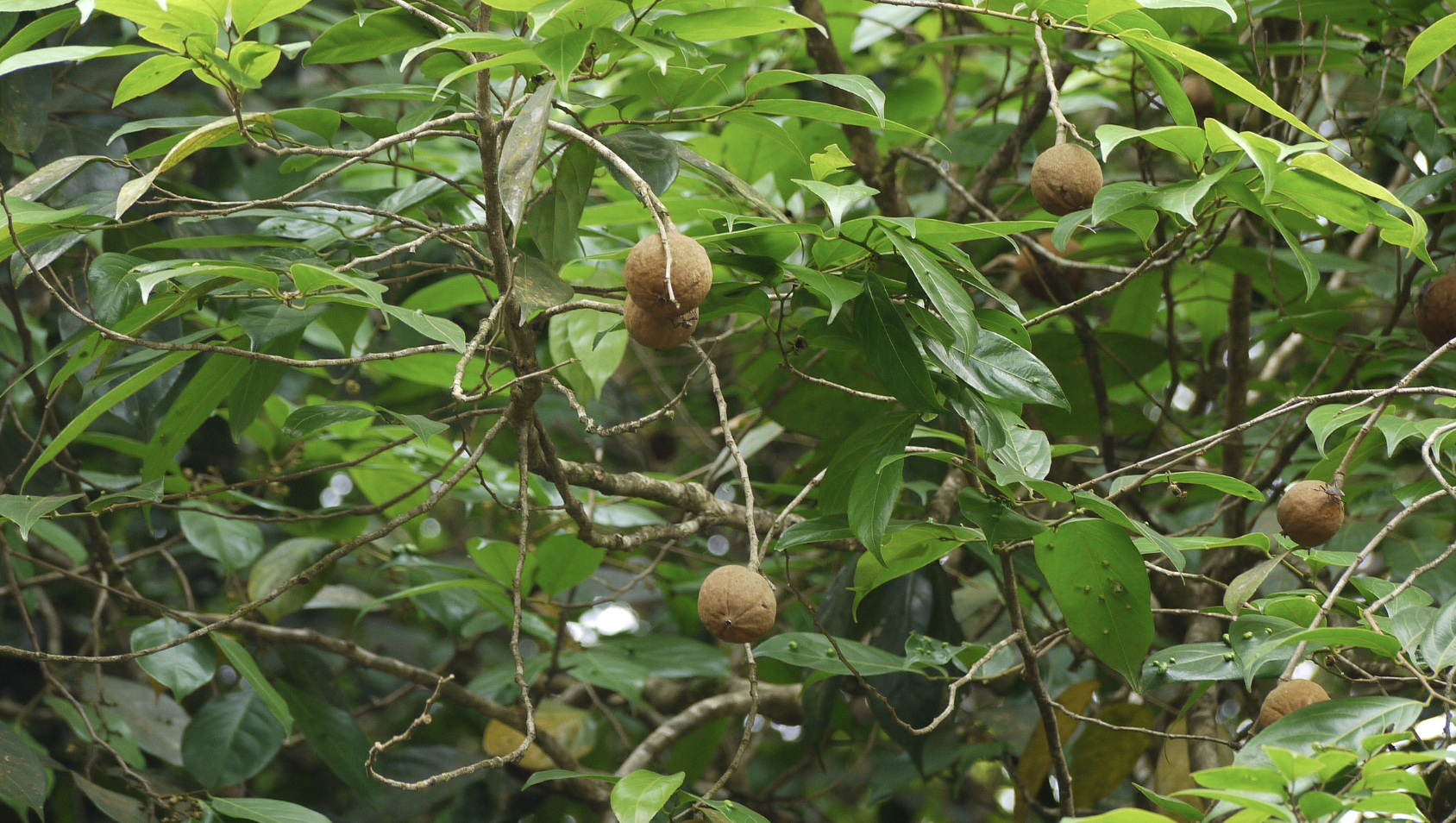
Chaulmoogra tree (Hydnocarpus pentandra)

Chaulmoogra tree (Hydnocarpus pentandra), also known as marotti or garudaphala, native to India. The oil from its seeds was used for centuries to treat skin diseases. Photo: Dinesh Valke, CC BY-SA 2.0

Chaulmoogra oil comes from the seeds of the chaulmoogra tree, native to India and Burma (Myanmar). Healers had used this oil for centuries to treat skin diseases, and it was the only treatment that showed some effectiveness against leprosy.

The Problems with Chaulmoogra Oil

While chaulmoogra oil could help, it came with serious issues:

Why Chaulmoogra Oil Didn't Work Well:

  • Too thick and sticky: Hard to rub into the skin
  • Extremely bitter: Patients would vomit when they tried to swallow it
  • Painful injections: When doctors tried injecting it, patients developed painful pustules (like very painful blisters)
Doctor administering chaulmoogra treatment

Dr. Isabel Kerr, a European missionary, administering chaulmoogra oil treatment in 1915, before Alice Ball's discovery. Photo: George McGlashan Kerr, CC BY

The Scientific Challenge

Scientists needed someone who could answer this question:

Could chaulmoogra oil be chemically changed to keep its healing properties while eliminating the terrible side effects?

This is where Alice Ball enters the story.

⚗️ Alice Ball's Brilliant Solution: The Ball Method

How Alice Got Involved

Dr. Harry Hollmann, working with the Leprosy Investigation Station of the U.S. Public Health Service in Hawaiʻi, was so impressed by Alice Ball's master's thesis on the chemistry of the kava plant that he recruited her to tackle the chaulmoogra problem.

Remember: Alice was only 23 years old at the time!

The Scientific Breakthrough

Alice Ball discovered how to chemically modify chaulmoogra oil so that it could be injected without causing terrible side effects. Her method involved breaking down the oil into its chemical components and creating an injectable form.

What Made the Ball Method Revolutionary:

  • Could be injected into the bloodstream
  • No painful side effects like earlier attempts
  • Actually worked to treat leprosy symptoms
  • Patients could see real improvement in their condition

The Impact

The results were remarkable:

Success of the Ball Method:

  • 1920: 78 patients in Honolulu successfully treated
  • 1921: 94 more patients treated successfully
  • Patient morale drastically improved - for the first time, there was hope for a cure
  • The Ball Method remained the most effective leprosy treatment until sulfone drugs were introduced in the late 1940s

For the first time in centuries, people with leprosy had hope.

⚖️ The Stolen Legacy: How Alice Ball Lost Credit for Her Work

A Tragic Loss

In 1920, Alice Ball died suddenly at just 24 years old, likely from exposure to chlorine gas while working in the laboratory. She never had the chance to publish her groundbreaking research.

Arthur Dean Takes Over - And Takes Credit

Arthur Dean, the chair of the College of Hawaiʻi's chemistry department, took over Alice Ball's project after her death. But instead of honoring her work, he:

What Arthur Dean Did Wrong:

  • Mass-produced the treatment without crediting Alice Ball
  • Published multiple articles about chaulmoogra oil without mentioning Alice
  • Renamed the treatment the "Dean Method" - after himself!
  • Let the world believe he had made the discovery

Some Colleagues Tried to Protect Her Legacy

Not everyone forgot Alice Ball's contributions:

People Who Remembered Alice:

  • Dr. Harry Hollmann (1922): Published an article clearly crediting the "Ball Method" and Alice's work
  • Journal of the American Medical Association (1920): Praised the "Ball Method" by name
  • Current History magazine (1922): Featured Alice's achievement in detail
  • Carter G. Woodson's "Negro History Bulletin" (1941): Referenced Alice's work and early death
  • Joseph Dutton (1932): Religious volunteer at Molokai who mentioned Alice's work in his widely-published memoir

Why This Matters

Alice Ball's story shows us how systemic racism and sexism in science meant that even groundbreaking discoveries by women and people of color could be stolen and erased from history. For decades, Arthur Dean received credit for work that wasn't his.

🎬 Watch "The Ball Method" - A short film dramatizing Alice Ball's story, her groundbreaking discovery, and the fight against racial and gender barriers

About the Film: Alice Ball, a 23-year-old African American chemist living in 1915 Hawaiʻi, fights against racial and gender barriers to find an effective treatment for leprosy before Kalani, a 10-year-old patient, is exiled into the leper colony of Molokaʻi.

Director: Dagmawi Abebe | Writers: Dagmawi Abebe, Javier Carmona
Stars: Kiersey Clemons, Wallace Langham, Kyle Secor
🏆 Recognition Restored: Honoring Alice Ball Today

The Work of Historians

It took dedicated historians and researchers to uncover the truth and restore Alice Ball's legacy. Paul Wermager and other historians worked to ensure Alice received proper credit for her discovery.

How Alice Ball Has Been Honored:

  • 2000: University of Hawaiʻi installs a bronze plaque under the last remaining chaulmoogra tree on campus
  • 2019: London School of Hygiene and Tropical Medicine adds Alice's name to the outside of its building
  • 2020: Short film "The Ball Method" tells her story
  • 2022: Hawaiʻi Governor David Ige declares February 28 as Alice Augusta Ball Day

📹 Watch: Alice Augusta Ball Day Proclamation Ceremony

Governor David Ige signed a proclamation that declared February 28 "Alice Augusta Ball Day" in Hawaiʻi at a special recognition ceremony on the University of Hawaiʻi at Mānoa campus on February 28, 2022.

The ceremony took place on the Mānoa campus in the shade of the historic chaulmoogra tree, honoring Ball as UH's first African American graduate and first woman to earn her master's degree in chemistry in 1915.

📰 Read the full article at UH News →

Why February 28?

The date has special significance: In 2000, the University of Hawaiʻi originally chose February 29 to honor Alice Ball—the date of her death in 1916. However, since February 29 only occurs during leap years, the date was changed to February 28 to ensure annual recognition.

In 2022, Governor David Ige made it official by signing a proclamation declaring February 28 as Alice Augusta Ball Day throughout Hawaiʻi. The timing during Black History Month also ensures that students, especially young women of color interested in science, learn about her inspiring story.

🏫 Teaching Alice Ball's Story: Classroom Approaches

Why Teach Alice Ball's Story?

Important Educational Themes:

  • Women in STEM: Shows girls they belong in science
  • Black Excellence: Highlights African American contributions to medicine
  • Social Justice: Explores how credit and recognition have been denied to marginalized groups
  • Scientific Process: Real-world example of problem-solving in chemistry
  • Historical Injustice: Shows how systemic racism and sexism affected science
  • Persistence: How truth and recognition can eventually prevail

Age-Appropriate Approaches

Grades K-1:

  • Focus: "Alice Ball was a brilliant young scientist who discovered medicine to help people who were very sick"
  • Key Message: Anyone can be a scientist, no matter what they look like
  • Activities: Draw pictures of scientists, discuss how medicine helps people, color pictures of Alice Ball in her laboratory
  • Discussion: "What do you want to discover when you grow up?"
  • Keep it simple: Focus on her accomplishment and that she was the first African American woman to earn this degree
  • Read-Aloud: Use simple language to tell how Alice helped sick people feel better

Grades 2-3:

  • Focus: Alice's scientific achievement and the basic injustice of someone taking credit for her work
  • Key Concepts: Chemistry, medicine, problem-solving, fairness
  • Activities: Simple chemistry experiments (mixing safe substances), timeline of her life, compare "before and after" the Ball Method
  • Discussion Questions:
    • "Why was it important that Alice Ball found a better way to give this medicine?"
    • "How would you feel if someone took credit for your work?"
    • "Why do you think it took so long for Alice to get the recognition she deserved?"
    • "What can we learn from Alice Ball's hard work?"

Grades 4-5:

  • Focus: Full story including systemic racism and sexism in science
  • Key Concepts: Scientific method, chemical modification, historical injustice, civil rights
  • Activities: Research projects on other marginalized scientists, debate on scientific credit, chemistry demonstrations, write letters to scientists
  • Discussion Questions:
    • "How did racism and sexism affect who received credit in science?"
    • "What does Alice Ball's story teach us about checking whose voices are missing from history?"
    • "Why is it important to recognize contributions from all people, not just those in positions of power?"
    • "How can we make sure this doesn't happen to scientists today?"
🎨 Cross-Curricular Activities

Science

  • Chemistry Basics: Discuss how substances can be chemically modified
  • Medicine Development: How do scientists create new treatments?
  • Scientific Method: Problem → Hypothesis → Experimentation → Solution
  • Plant Chemistry: How plants provide medicines (chaulmoogra tree, kava plant)
  • Lab Safety: Discuss what might have caused Alice's death and modern safety protocols

Social Studies

  • Geography: Locate Hawaiʻi, Seattle, and the chaulmoogra tree's native regions
  • Hawaiian History: Native Hawaiian population and the leprosy quarantine policy
  • Civil Rights: Discrimination in science and medicine
  • Women's History: Barriers women faced in STEM fields
  • Black History: African American contributions to science and medicine

Language Arts

  • Biography Writing: Research and write about Alice Ball's life
  • Persuasive Writing: "Why Alice Ball deserves recognition"
  • Historical Fiction: Imagine a day in Alice Ball's laboratory
  • Letter Writing: Write to scientists thanking them for their work
  • Poetry: Compose poems about persistence, justice, or scientific discovery

Math

  • Timeline Creation: Calculate years between events in Alice's life
  • Percentages: How many patients improved with the Ball Method?
  • Problem Solving: If one jar treats X patients, how many jars are needed for Y patients?

Art

  • Portrait Drawing: Create portraits of Alice Ball
  • Scientific Illustration: Draw the chaulmoogra tree and its seeds
  • Poster Design: "Women in Science" or "Black Scientists" awareness posters
  • Memorial Design: Create a memorial plaque or monument design
💡 Teaching with Cultural Sensitivity

Discussing Hansen's Disease (Leprosy)

✅ DO:

  • Use the medical term "Hansen's disease" alongside "leprosy"
  • Explain that it's minimally contagious and treatable today
  • Discuss how fear and misunderstanding led to unjust policies
  • Emphasize that the forced isolation policy particularly harmed Native Hawaiians
  • Connect to broader themes of disease stigma

❌ DON'T:

  • Use scary or sensationalized language about the disease
  • Perpetuate myths that it's highly contagious
  • Ignore the civil rights dimensions of the quarantine policy
  • Show graphic medical images
  • Make students uncomfortable about disease in general

Discussing Racism and Sexism in Science

✅ DO:

  • Acknowledge that Alice Ball faced barriers because she was both Black and a woman
  • Explain systemic injustice: it wasn't just one bad person
  • Celebrate that truth eventually prevailed
  • Discuss how we can do better today
  • Highlight other marginalized scientists throughout history

❌ DON'T:

  • Present it as "just" a historical problem that's solved now
  • Vilify individuals without explaining systemic context
  • Make students of color feel they need to represent or explain racism
  • Minimize the ongoing challenges in STEM for underrepresented groups

Discussing Alice Ball's Death

Age-Appropriate Discussion:

  • K-1: "Alice Ball died very young while working in her laboratory. She was only 24 years old."
  • 2-3: "Alice Ball likely died from breathing dangerous chemicals in the lab. This reminds us why lab safety is so important. Scientists today have special equipment to keep them safe."
  • 4-5: "Alice Ball likely died from chlorine gas exposure in her laboratory. In her time, scientists didn't have the safety equipment and protocols we require today. Modern laboratories have ventilation systems, protective gear, and strict safety rules to prevent accidents like this."
📚 Additional Resources

Books About Alice Ball

  • "The Girl Who Cured a City" by Eugenia San Francisco (Picture book, ages 5-9)
  • "Breaking Through: How Female Athletes Shattered Stereotypes in the Roaring Twenties" includes Alice Ball's story
  • Look for upcoming biographies as her story gains more recognition

Online Resources

  • Smithsonian Magazine: "The Trailblazing Black Woman Chemist Who Discovered a Treatment for Leprosy"
  • University of Hawaiʻi: Alice Ball scholarship information and historical materials
  • National Park Service: Hansen's Disease history at Kalaupapa, Molokaʻi
  • Biography.com: Alice Ball biography

Videos & Media

  • "The Ball Method" (2020 short film) - Check availability on educational streaming platforms
  • Hawaiʻi News Now: Alice Ball Day coverage
  • YouTube: Search "Alice Augusta Ball" for documentary clips and educational videos

Related Topics to Explore

  • Other Hidden Figures in Science: Katherine Johnson, Mary Jackson, Dorothy Vaughan
  • Women in STEM: Marie Curie, Rosalind Franklin, Mae Jemison
  • Black Scientists: George Washington Carver, Charles Drew, Patricia Bath
  • Hawaiian History: Impact of colonization, Native Hawaiian culture
Key Takeaways for Teachers

What Students Should Remember:

  1. Groundbreaking Discovery: Alice Ball, at just 23, developed the first effective injectable treatment for Hansen's disease (leprosy)
  2. Historic Firsts: First woman and first African American to earn a master's in science from the College of Hawaiʻi
  3. Stolen Legacy: After her early death, a male colleague took credit for her work and renamed it after himself
  4. Justice Delayed: It took decades for historians to restore proper credit to Alice Ball
  5. Systemic Barriers: Alice's story shows how racism and sexism in science prevented proper recognition of marginalized scientists' work
  6. Persistence of Truth: Eventually, through the work of dedicated historians, Alice Ball received the recognition she deserved
  7. Lasting Impact: The Ball Method remained the most effective leprosy treatment for nearly 30 years
  8. Modern Recognition: Today, Alice Ball is honored with a special day in Hawaiʻi (February 28) and is finally recognized as the brilliant scientist she was

Essential Discussion Points

For K-1: "Alice Ball was an amazing scientist who helped people feel better. Even though someone tried to take credit for her work, the truth came out and now everyone knows she was the real hero. We celebrate her every February 28!"

For 2-3: "Alice Ball made an important medical discovery that helped many sick people. But because she was a young Black woman, someone else took credit for her work after she died. It took a long time, but today we make sure everyone knows the truth about her achievement. That's why Hawaii has a special day to honor her."

For 4-5: "Alice Ball's story teaches us about both scientific brilliance and systemic injustice. Her achievement was revolutionary—she solved a medical problem that had stumped scientists for centuries. But racism and sexism in science meant her legacy was nearly erased after her death. Understanding her story helps us recognize ongoing inequities in who gets credit and recognition in STEM fields today, and inspires us to ensure all scientists receive proper recognition for their work."

📄 Citation and References

This educational guide is based on the article "A young Black scientist discovered a pivotal leprosy treatment in the 1920s – but an older colleague took the credit" by Mark M. Lambert, Assistant Professor of Behavioral Medicine, Medical Humanities, and Bioethics at Des Moines University.

Read the article in The Conversation under a Creative Commons license.

Mark M. Lambert is a bioethicist and historian of medicine who studies Alice Ball's contributions to medicine and the marginalization of women and people of color in science.

Additional Sources

Image Credits

  • Alice Augusta Ball portrait: This Month™ archives
  • Kaʻapu area, Molokaʻi (1878): This Month™ archives
  • Kalaupapa leper colony (1905): This Month™ archives
  • Kalawao, Molokaʻi (circa 1922): Hoapili, original creator - Albert Pierce Taylor (1922) Under Hawaiian Skies: A Narrative of the Romance, Adventure and History of the Hawaiian Islands, Board of Education of the Hawaiian Kingdom, p. 348. Via Wikimedia Commons
  • Chaulmoogra tree (Hydnocarpus pentandra): Dinesh Valke from Thane, India. CC BY-SA 2.0. Endemic to south peninsular India
  • Dr. Isabel Kerr administering Chaulmoogra (1926): Dichpali, Hyderabad: Dr Isabel Kerr, a European woman doctor, vaccinating a child in the leprosy hospital. Photograph, 1926. Wellcome Collection. https://wellcomecollection.org/works/cf3qnshf CC-BY-4.0

Video Credits

  • "The Ball Method" trailer: Directed by Dagmawi Abebe, written by Dagmawi Abebe and Javier Carmona. Starring Kiersey Clemons, Wallace Langham, Kyle Secor (2020)
  • Alice Augusta Ball Day Proclamation Ceremony: University of Hawaiʻi (February 28, 2022)